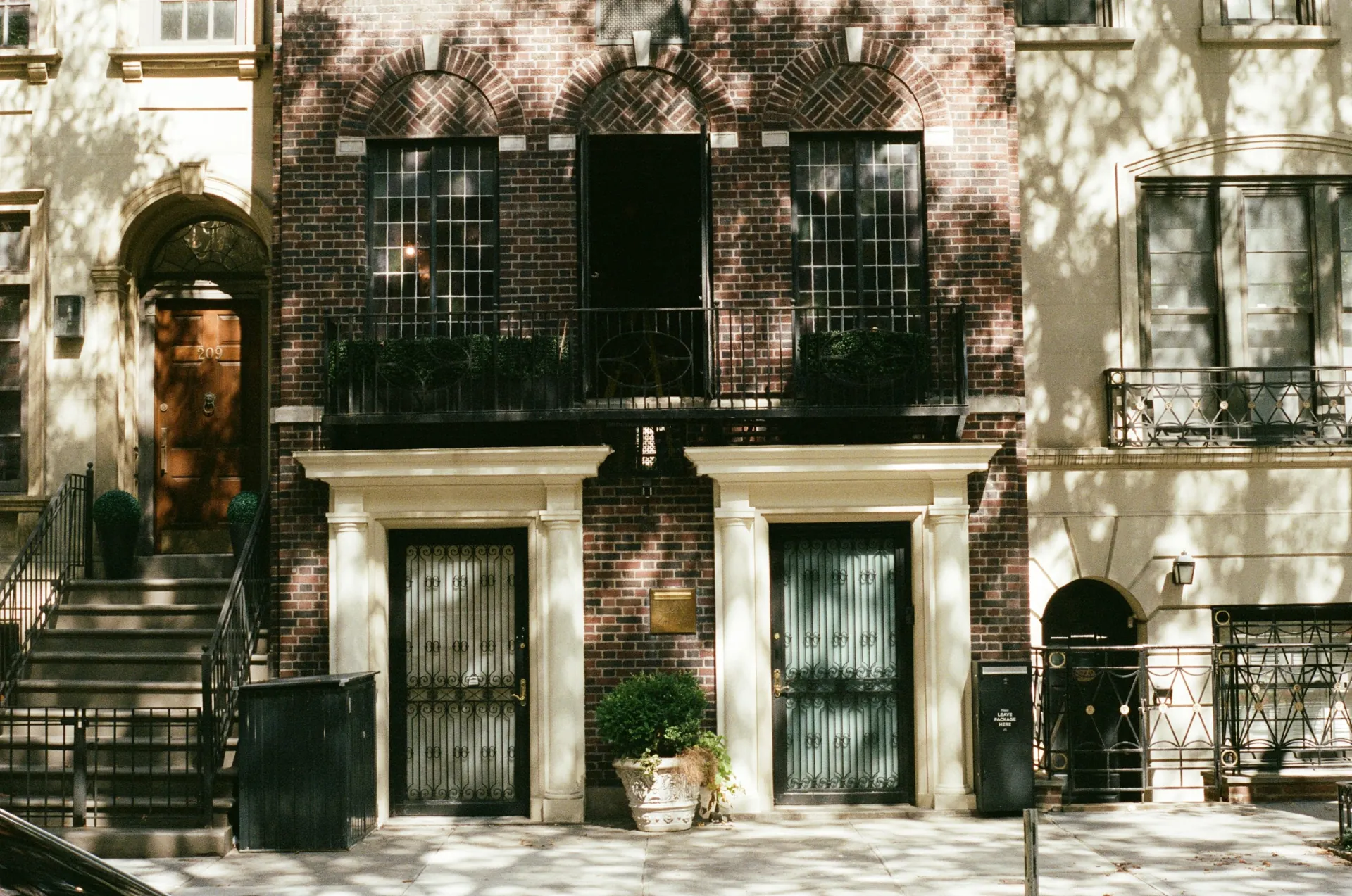
What a real DCWP-licensed locksmith looks like, and what scammers fake to look the same
The phrase "DCWP-licensed" appears on hundreds of NYC locksmith websites. It appears on Google Business profiles. It appears on door hanger flyers and refrigerator magnets. In a meaningful percentage of those appearances, the claim is either outright fabricated or applied loosely to operations that do not actually hold a current NYC locksmith license.
The license itself is the legal foundation for operating as a locksmith in New York City. The claim of being licensed is the easy part. Actually being licensed is the part that matters.
This piece walks through what the DCWP locksmith license actually requires, what a legitimately-licensed locksmith looks like in practice, what scammers fake to look the same, and how to tell the difference in under a minute.
What the DCWP license actually is
The New York City Department of Consumer and Worker Protection (DCWP) is the agency that licenses locksmiths under Title 6 of the NYC Administrative Code. Operating as a locksmith in NYC without this license is a violation of city law.
The license is not symbolic. Holding it requires:
A formal application including business name, business address, ownership disclosure, and federal employer identification number.
Insurance. Locksmiths must carry liability insurance with specific minimum coverage levels.
A surety bond. A $10,000 surety bond is required, payable to the city in case of consumer claims against the licensee.
Background check. Personal background information on the principal owners is required and reviewed.
Fees. Initial license fee plus annual renewal. The licensing process takes weeks to months.
The bar is not extraordinarily high, but it is high enough that operations running purely on Google ads, with no fixed address and no insurance, cannot pass the application.
What "DCWP-licensed" should mean on a locksmith's profile
A legitimately-licensed locksmith has three pieces of public-facing information that a scam operation cannot fabricate.
A specific license number. Format is typically a 7-digit identifier followed by the DCWP suffix. This number is searchable in the public DCWP database.
A registered business name that matches the public marketing. The name on the license must match the name the company uses to do business. A locksmith licensed as "ABC Locksmith Services LLC" cannot legitimately operate under the name "NYC 24/7 Lockout" without that name also being on file as a DBA.
A registered business address. The address must be a real physical location in NYC. A residential apartment, a UPS Store mailbox, or a virtual office may or may not qualify depending on inspection.
Any locksmith whose claim of being licensed cannot produce a number, the matching name, and a real address is not actually licensed regardless of what the marketing says.
How to verify a license in under 60 seconds
The DCWP runs a public license search at nyc.gov/dca. Two paths to verify:
By license number. Enter the number the locksmith provided. The database returns the licensee name, address, license status, and any open complaints or violations. Confirm the name matches the business name you called.
By business name. Search by name to find the license number. This works in reverse if the locksmith refuses to provide the number on the phone (which is itself a signal).
The verification is free, public, and takes under a minute. There is no excuse for skipping it. The full verification process is in the locksmith verification checklist.
What scammers fake to look licensed
Five common patterns that look like licensing but are not.
"Licensed and insured" with no number. The generic claim with no specific license number is unverifiable and meaningless. Any honest locksmith provides the number on request.
Display of an old or expired license. A license that was once valid but lapsed remains visually similar to a current one. The DCWP database shows current status; an expired license is not a license.
A license from a different state. "Licensed locksmith" with a license issued by New York State (not NYC), New Jersey, or Connecticut is not a NYC locksmith license. The DCWP license is city-specific and required for operating in NYC.
A license number from a different company. Some operations display a real license number that belongs to a different business. The number is valid in the database; the verification fails when the customer checks the matching name.
ALOA membership shown as licensure. The Associated Locksmiths of America (ALOA) is a trade association, not a regulator. ALOA membership is a positive signal but is not a substitute for the DCWP license. Some operations conflate the two intentionally.
In all five cases, the defense is the same: ask for the specific number, verify against the DCWP database, confirm the matching name. The verification works against all five patterns.
What a DCWP-licensed locksmith actually looks like in practice
Five operational signals that distinguish a real licensed operation from one that just claims to be.
The license number is on every customer-facing surface. The website, the business card, the invoice, the vehicle door. Real licensees post the number proactively because their business depends on customers trusting it.
The vehicle is marked. Legitimately licensed NYC locksmiths drive marked vehicles with the company name and often the license number visible. An unmarked van with a generic uniform is a signal.
The technician carries a NYC-issued identification card. DCWP issues individual photo ID cards to licensed locksmiths. The card includes the license number, the licensee's photo, and the expiration date. Asking to see the card at the door is reasonable and standard practice.
The invoice has the legal business name and license number. The receipt is generated against the licensed business entity, not against a generic "locksmith services" header. The business name on the receipt must match the name on the license.
The technician offers a written estimate before work starts. Per DCWP rules under Title 6 § 20-389, locksmiths must provide written estimates for non-emergency work and clear price disclosure for emergency work. The estimate-before-work pattern is the regulatory baseline.
Two or three of these signals can be faked. All five together cannot be faked by an unlicensed operation.
What the DCWP license does and does not protect
The license is the legal foundation, not a quality guarantee.
What it does protect:
- Recourse through the DCWP complaint system if the locksmith violates pricing, advertising, or service standards.
- The $10,000 surety bond as a recovery mechanism for legitimate consumer claims.
- The threat of license revocation as a deterrent against the worst patterns.
What it does not protect:
- Quality of work. A licensed locksmith can still do mediocre work.
- Reasonableness of pricing. The license does not cap prices, only requires disclosure.
- Speed of service. Response times are not regulated.
The license is the floor. Choosing among licensed locksmiths is a separate decision driven by pricing, reviews, and the verification practices in the locksmith verification checklist.
The structural problem with NYC locksmith licensing
The DCWP enforcement model is complaint-driven. Unlicensed operation continues until enough complaints accumulate to trigger investigation. The lag between violation and enforcement can be months or years. During that lag, the unlicensed operation continues serving customers.
This is why platform-level verification matters. A booking platform that verifies the DCWP license at onboarding (not at complaint-investigation time) closes the enforcement lag for its customers. The platform's customers do not have to verify because the platform has already verified.
LockAtlas operates this way. Every technician on the platform holds a current DCWP license, verified at onboarding. Every technician is also background-checked through Checkr. The customer does not run the verification because the platform has run it. The mechanism is described on the LockAtlas download page.
This is not a marketing claim about licensing. It is a structural property of the platform's onboarding requirements.
What to do if you suspect a locksmith is operating without a license
The path is straightforward.
File a DCWP complaint. Include the business name, phone number, address (if known), date and details of the incident. The DCWP investigates unlicensed-operation complaints and can issue cease-and-desist orders, fines, and referrals for criminal prosecution in egregious cases.
Report to the NY Attorney General consumer fraud bureau. Unlicensed operation combined with overcharging is the pattern the AG's office prosecutes. The combination of both complaints (DCWP + AG) is the strongest signal.
File any associated overcharge as a credit card dispute. The unlicensed-operation issue strengthens the dispute because the underlying transaction was illegal in the first place.
Document and post a Google review or BBB complaint that names the issue specifically. Future customers searching for the company will find the documentation.
FAQ
How do I find the DCWP license number for a locksmith I have already used?
The DCWP database is searchable by business name. Enter the company name as it appears on your receipt. The license number, status, and address will appear if the company is licensed. If no result appears, the company is either operating under a different name or not licensed at all.
Does a "DCA license" mean the same as DCWP?
Yes. DCWP was previously called the Department of Consumer Affairs (DCA). Older references to "DCA-licensed" refer to the same agency, now renamed DCWP. The license format and validity is the same.
How often does DCWP audit licensed locksmiths?
Inspections are typically complaint-driven, not scheduled. A complaint triggers an investigation; absent complaints, audits are rare. This is one of the structural limitations of the system.
Can a non-NYC locksmith legally do work in NYC?
No, not for residential or commercial locksmith services within the five boroughs. A locksmith from Long Island, Westchester, or New Jersey performing work in NYC without a DCWP license is operating in violation of city law regardless of their out-of-jurisdiction credentials.
What's the difference between a "Master Locksmith" and a "Licensed Locksmith"?
"Master Locksmith" is a trade designation, sometimes issued by trade associations like ALOA, indicating advanced training. It is not a NYC license. A locksmith working in NYC must hold the DCWP license; the "Master Locksmith" title is additional credentialing on top of that, when it exists.
The DCWP license is the legal foundation of any legitimate NYC locksmith operation. The license claim is easy to fake. The actual license is harder to fake. The verification step closes the gap. The full verification process is in the locksmith verification checklist. The full pricing context for what a verified locksmith should charge is in the 2026 NYC locksmith cost guide.
Related reading: insurance claim for locksmith damage.
LockAtlas is live now on the App Store and Google Play, serving all five boroughs of NYC. Questions or partnerships: support@lockatlas.com
Customer app (book a verified NYC locksmith)
- iOS: LockAtlas on the App Store
- Android: LockAtlas on Google Play
Technician app (apply to receive jobs)
Need a Locksmith in NYC?
Download the LockAtlas app and get connected with a verified locksmith in minutes.
Download the App