NYC fire department or NYPD broke your door: who pays
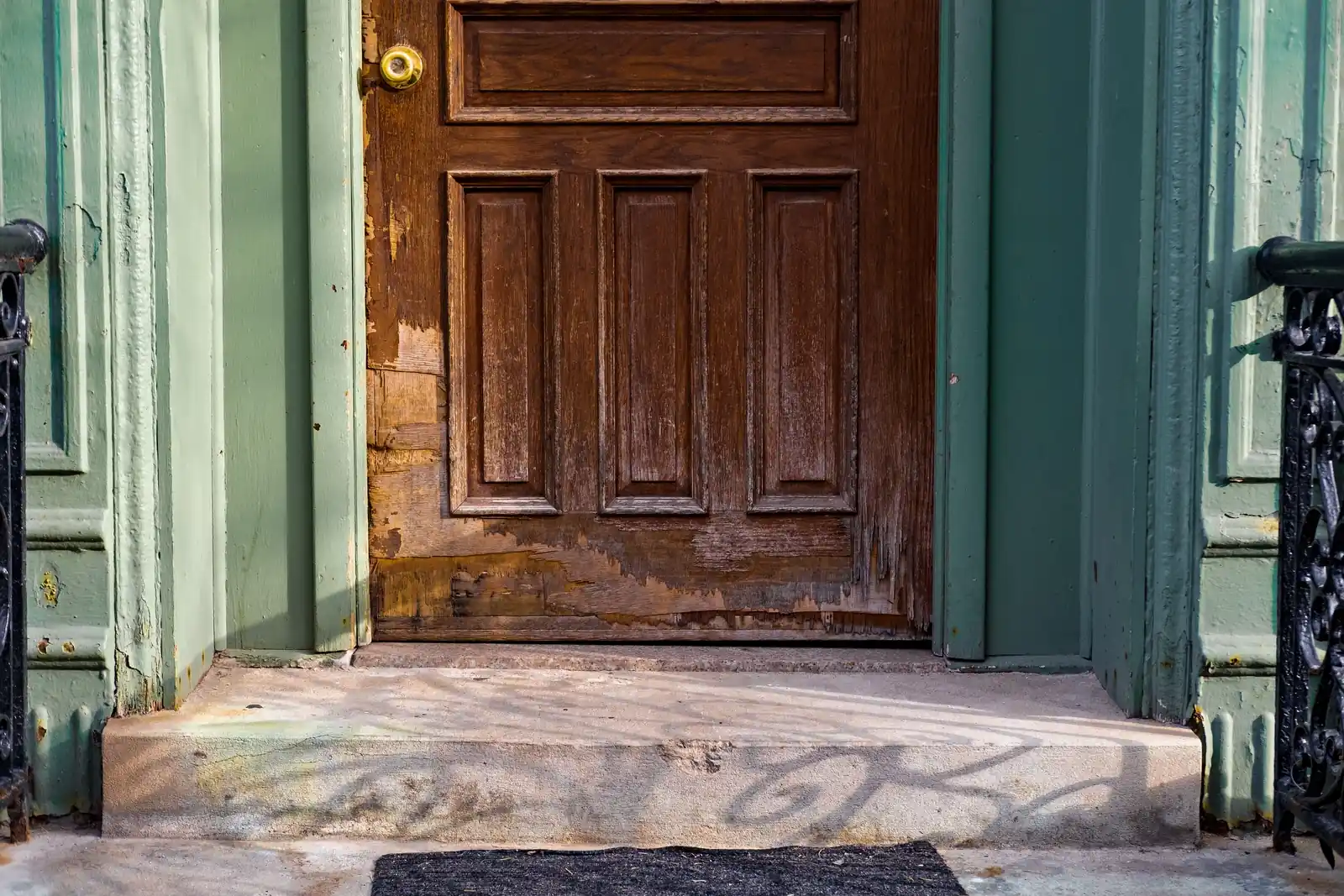
You get home to your Bushwick walk-up and the door frame is split. FDNY forced it on a gas-leak call while you were at work. Two problems: a bill for a door you did not break, and a night behind one that will not lock. The same questions follow a wellness check in NYC that ends with NYPD forcing an elderly parent’s door. “The fire department broke my door, who pays?” has two answers in New York City: who must repair the door, and who might reimburse the cost.
The short version: in a rental, the building owner has to repair the door, because the NYC Housing Maintenance Code says the owner of a multiple dwelling “shall keep the premises in good repair.” Getting the City to pay for the damage is a separate step: a notice of claim filed with the NYC Comptroller within 90 days of the incident. The City is not liable for all damage, so filing a claim does not mean the City will pay. Tonight, document the door and get it locking again.
This is general information, not legal advice, and claim outcomes vary with the facts. If a burglar forced the door, follow our same-day lock change sequence after a break-in instead.
Tonight: photos, report details, the owner, a door that locks
Photograph the damage before anyone touches it: a wide shot from the hallway, then close-ups of the frame where the bolt sits, the lock, the hinges and any pry marks. A short video of the door opening and closing shows whether it still latches.
Write down what the City’s claim form asks for. The Comptroller’s Property Damage or Loss Claim Form wants the date, time and place, the “manner in which claim arose,” the items of damage with dollar amounts, witnesses, and for police, the officer’s name, shield number, precinct and report number, plus whether you have an accident, aided or complaint report. If officers are still there, ask which report they are filing and for its number. Keep the broken parts too: the Comptroller says claimants may be asked for “photographs, bills, invoices, estimates,” and may be contacted so the damaged property can be inspected.
Tell the owner tonight, then in writing. HPD’s tenants’ guide says to notify the owner or manager “verbally or by text or email,” then to send written notice “through certified mail, with a return receipt requested, or via email.”
Then make the door lock. Forced doors usually fail at the frame where the bolt sits, at the lock, or at both. If the door still closes, a locksmith can often replace the strike and the cylinder so the bolt holds; a bent steel frame or a door that will not close needs the frame or door repaired or replaced before any lock will hold, and a board-up until then. Whatever goes on tonight must open from inside without a key: HPD calls double cylinder locks that need a key from inside “dangerous, illegal.” If the owner cannot send anyone, the stopgap is an emergency lock change in NYC from an emergency locksmith; tell the owner first, keep the receipt, and give the owner a copy of the new key: HPD says that when a tenant changes the locks, “the law requires that you provide a copy of the key(s) to the landlord.” The longer-term fix is door frame reinforcement with strike plates, hinges and security plates.
Is the landlord responsible for a broken door? In a rental, yes
For the repair, the code is direct. Section 27-2005 of the NYC Housing Maintenance Code says “the owner of a multiple dwelling shall keep the premises in good repair,” and gives owners of one- and two-family houses the same duty unless a written lease says otherwise. Section 27-2043 adds the hardware: “a key lock in the entrance door to each dwelling unit and at least one key,” and in a class A multiple dwelling, a category that includes apartment houses, “a heavy duty latch set and a heavy duty dead bolt operable by a key from the outside and a thumb-turn from the inside,” plus a chain door guard.
The tenant’s side is narrow. Under § 27-2006, a tenant is responsible for violations “to the extent that he or she has the power to prevent the occurrence of a violation,” which the code describes as a wilful act by the tenant, a household member or a guest, or gross negligence, neglect or abuse. Even then, the owner keeps the duty to maintain the premises, “and every part thereof, in good repair.”
A forced door that no longer swings shut and latches is its own problem. HPD says “all apartment doors and all doors in and leading to public halls should be self-closing,” and § 27-2041.1 makes failing to maintain a required self-closing door a class C “immediately hazardous” violation, with 14 days to correct. If HPD issues a violation and the owner does not make the repair within those 14 days, HPD says it will attempt the fix through its Emergency Repair Program.
If the owner does not act, complain through 311 (phone, 311ONLINE or the app) and keep the service request number, as HPD’s ABCs of Housing tenants’ guide advises. NYCHA residents request repairs from NYCHA: the Customer Contact Center at (718) 707-7771, or the MyNYCHA app or website. If you own a house, the repair is yours to arrange; in a co-op or condo, the proprietary lease or bylaws say whether the entrance door is yours or the building’s.
The fire department broke your door: who pays in the end
The owner fixes the door; who finally pays can be the owner, an insurer, or the City if a claim succeeds. For a fire, a gas leak, a wellness check or a warrant, the claim route is the same: a notice of claim with the NYC Comptroller, which handles claims against the City.
The City pays only when the Comptroller’s investigation finds it may be responsible and offers a settlement, or a court finds it liable. The Comptroller’s 2026 claims guide says the City “may be liable when a negligent act or omission or wrongful action caused damages to you or your property,” but “the City is not liable for all injuries and damages. Every claim is reviewed on its merits, based on the facts and the law.” So who pays for damage caused by the fire department or the police depends on the facts of that entry. Filing on time keeps the question open.
Who files depends on whose loss it is. The Comptroller defines a claim as “an allegation that you or your property was injured because of something the City did or failed to do.” In a rental, the door and frame belong to the building, so the claim for them is normally the owner’s to file; the Comptroller’s property-damage FAQ speaks of “property owners.” If you paid for something yourself, such as an emergency lock change, or your belongings were damaged, those receipts support your own claim.
Insurance is a separate track. The New York State Department of Financial Services says it is “generally not necessary for a tenant to insure the building in which he or she lives, since that is typically the building owner’s responsibility.” The claim form asks about insurance and any insurance payment, so tell each side about the other. Our guide to documenting door damage and asking insurers about coverage covers the paperwork.
The 90-day notice of claim, step by step
The 90 days come from state law. General Municipal Law § 50-e requires a notice of claim “within ninety days after the claim arises,” and NYC Administrative Code § 7-201 requires one before any lawsuit against the City. In the Comptroller’s words: “A notice of claim must be filed with the Comptroller’s Office within 90 days of the incident.” Count from the day the door was forced.
- Use the right form. A door goes on the Property Damage or Loss Claim Form, the one for “all other property damage claims.”
- File online if you can. The Comptroller recommends its eClaim system, which “results in faster processing and does not require notarization.” Complete the form in Adobe Reader, upload it, attach your photos and documents, and save the eClaim receipt.
- Or file on paper. Paper forms must be notarized and delivered in person at 1 Centre Street in Manhattan or sent by registered or certified mail. Email is not accepted.
- Keep the claim number. The office assigns one and sends it to you; use it in every message.
After that, an examiner investigates and may require a 50-h hearing (an interview under oath) or an inspection. Accepting a settlement means signing a release that ends your claim against the City. If the claim is denied or does not settle, a lawsuit must wait until 30 days after the notice of claim and any requested 50-h hearing, and must be filed within 1 year and 90 days of the incident. You do not need a lawyer to file, but call one if the loss is large or the deadline is close.
How to get the FDNY or NYPD report
For a fire department entry, FDNY’s records page says fire incident reports “must be requested online via NYC OpenRecords”; paper request forms are no longer accepted.
NYPD’s record request forms include an Aided Report request (PD 304-161) and a Complaint Report verification (PD 542-062), both completed free of charge. The complaint report verification can be requested online at GetMyReport.NYPDonline.org or by mail; the aided report request goes by mail to the Criminal Records Unit at One Police Plaza, which does not take in-person requests. Both need the report number and the command (precinct) of the report, and NYPD says the number can be obtained by calling your local command. If the report concerns a parent, they can name you as their representative with a notarized authorization letter sent within 30 days of notarization.
FAQ
Do police pay for broken doors in NYC?
Not automatically. Whoever suffered the loss files a notice of claim with the NYC Comptroller within 90 days, and the City pays only if its negligence or wrongful action caused the damage.
Is my landlord responsible for a door broken during a wellness check?
For the repair, yes: Housing Maintenance Code § 27-2005 requires the owner to keep the premises in good repair. Whether the City reimburses the owner is a separate claim.
What if I missed the 90-day deadline?
General Municipal Law § 50-e lets a court, “in its discretion,” extend the time to serve a notice of claim, and the extension cannot reach past the 1 year and 90 days allowed for a lawsuit. That takes a court application, so speak to a lawyer soon.
Should I wait for the claim before fixing the door?
No. Do not leave the apartment unsecured. Photograph everything, keep the broken parts and receipts, and tell the owner before the permanent repair, since the Comptroller may ask to inspect the damage.
Where LockAtlas fits
LockAtlas is an app for booking a locksmith in all five boroughs. You describe the forced door and add a photo of the lock, which helps prepare the estimate; a photo may not show everything, so an on-site finding can lead to a proposed change that you approve or decline in the app. The price is a service fee that varies by time of day and day of the week, a flat labor price for the job, parts if needed, and 8.875% NY sales tax, shown in full before you book; screenshot it for the owner and your claim file. You can check the technician’s name and license number with DCWP before work begins (individual licensing ends May 31, 2027, when DCWP moves to a Locksmith Business license). If the owner is sending someone tonight, let them. If the door has to lock before then, get the LockAtlas app.


Need a Locksmith in NYC?
Use the LockAtlas app to describe the work, review the price breakdown and check your booking details.
Download the App