The Locksmith Scam Isn't a New York Problem
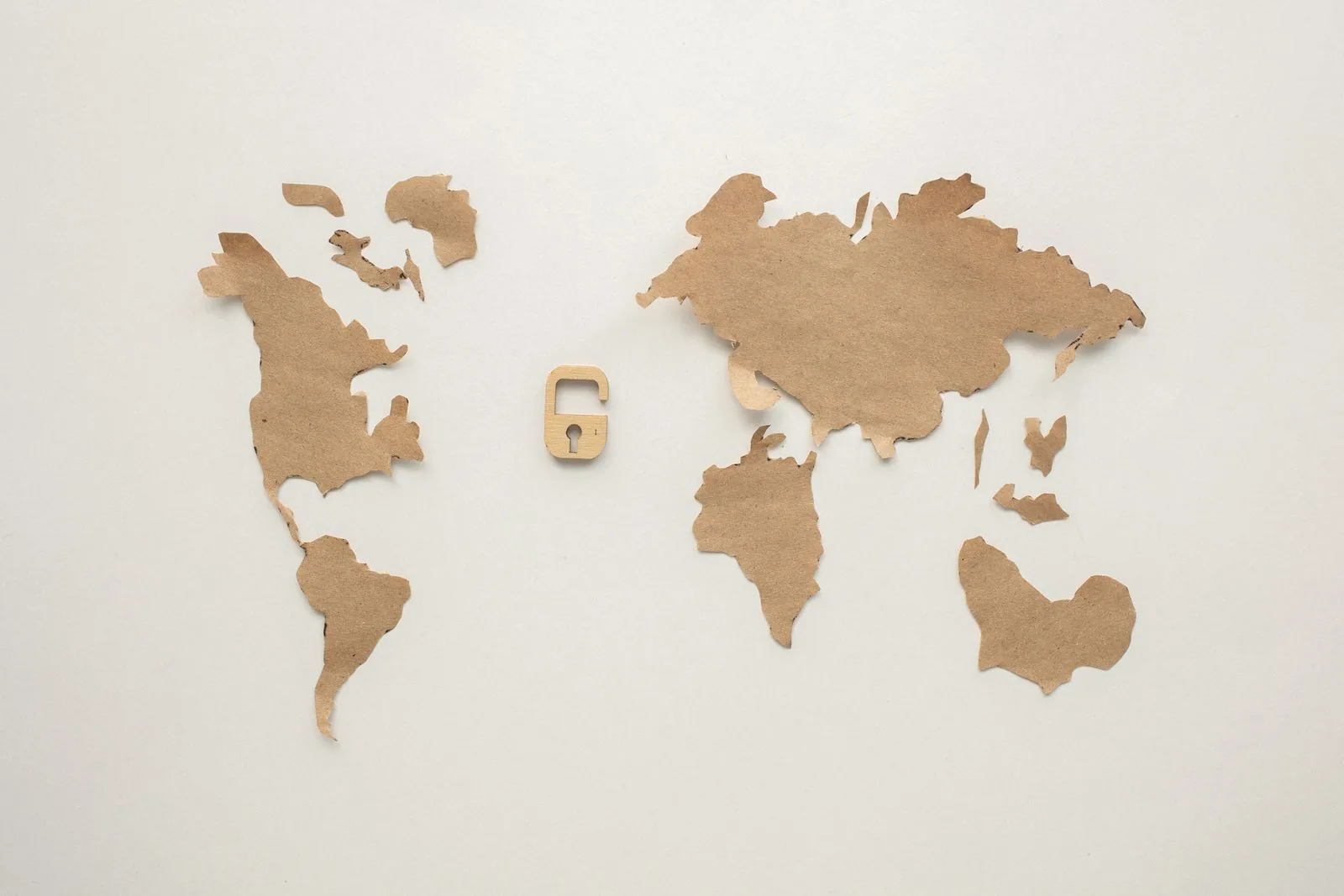
When someone in New York gets charged $800 to open their own front door, the natural reaction is that New York is expensive and New York attracts sharks. We built LockAtlas partly on that assumption.
So we went and checked it. We searched Reddit for people describing being overcharged by a locksmith, and counted what came back: 148 threads across 59 different communities, carrying roughly 21,900 upvotes and 9,900 comments.
Three of those 148 threads were from New York.
Where the complaints actually come from
This is our own count, from a single Reddit search — not a published study, and not a random sample. Reddit skews young, English-speaking and urban, so treat it as a map of where people talk about the problem, not a census of where it happens. Even with that caveat, the shape is hard to miss.
| Where the thread was posted | Threads | Upvotes |
|---|---|---|
| The locksmith trade itself (r/Locksmith and similar) | 69 | 989 |
| General scam, legal and money communities | 24 | 8,410 |
| United Kingdom & Ireland | 20 | 4,546 |
| United States, cities other than New York | 13 | 1,283 |
| Australia | 11 | 5,607 |
| Continental Europe (Germany, France, Netherlands, Belgium) | 5 | 340 |
| Canada | 3 | 123 |
| New York City | 3 | 592 |
Nine countries. The American threads alone span Seattle, Los Angeles, San Francisco, Las Vegas, Orlando, Cincinnati, Salt Lake City, Long Beach, Lexington, Dayton and suburban California. And the biggest city-specific threads are not American at all: the largest is Australian at roughly 1,800 upvotes, the next British at around 1,100. The loudest American city thread in the set reaches 365, and the loudest New York one 347.
If this were a New York problem, New York would not be a rounding error in its own scandal.
The people complaining loudest are locksmiths
The single most unexpected number above is the first one. 69 of the 148 threads — nearly half — were posted in locksmith trade communities, by working locksmiths.
They are not defending the practice. They are furious about it, because it is taking their work. Their threads describe watching a competitor appear overnight claiming twenty years in the neighbourhood, finding hundreds of five-star reviews posted by accounts that have reviewed nothing else, being cold-called by out-of-state numbers recruiting anyone who owns their own tools and will work seven days a week, and getting fake one-star reviews planted on their own listings.
One thread in a trade community is titled, flatly, "Why Are Locksmiths So Shady?" — asked by a locksmith. The top reply calls locksmithing the least regulated trade in the country.
That matters for how you read everything else here. This is not customers versus an industry. It is a business model that has attached itself to an industry, and the industry is one of its victims.
The same four moves, in every country
What makes the pattern convincing is not the volume. It is that a complaint from Melbourne and a complaint from Manhattan describe the same sequence, in the same order.
- The price is agreed on the phone and abandoned at the door. The most-repeated mechanic in the set. A low call-out figure gets quoted — the recurring numbers people report being quoted run from about $15 to $45 — and the real price only appears once someone is standing at the door with the lock apart. One trade commenter's summary of the tell: if an ad promises arrival in fifteen minutes, or a price that low, it is not a real quote.
- The lock gets drilled when it did not need to be. The second-most-repeated. A drilled lock must be replaced, and the replacement is billable. Legitimate locksmiths in these threads describe drilling as a last resort; the complaints describe it as the first move, sometimes within seconds of arrival.
- The company is not findable afterwards. Receipts that say only "locksmith services" with no company name, no address and no licence number. Businesses that cannot be located the next morning. In one British thread the victim could not leave a review because the company's website had already been taken down.
- You never chose the company you think you chose. The number you called routes to a dispatch operation that sells the job on to whoever is nearest. This is why the receipt carries a different name than the advert, and why the person at your door may have no locksmithing training at all.
Across the threads we read, the trap is almost always the same surface: the search results. Paid placements and map listings for businesses that exist only as a phone number. That is the common thread linking a lockout in Glasgow to one in Queens — not a city, not a culture, but the fact that everybody now finds a locksmith the same way.
This is not new, and that is the point
The oldest threads in our set are fourteen years old. One of them, posted to a general news community in 2012, is titled: "Locksmith scam the world needs to know about. The media won't bring much light to the issue so i'm hoping Reddit can work some magic and keep the public safe." It collected over a thousand upvotes.
Fourteen years later the same thread is being written in a different city every few weeks.
A problem that survives that long is not an enforcement gap waiting to be closed. It is a structure that works. Someone is profiting enough to keep buying the ads, and nothing in how people search for a locksmith has changed to stop them.
People invented their own fix, and it tells you everything
Here is the part we found genuinely striking. When we looked at what New Yorkers type into Google about locksmiths, one of the most common patterns was adding a single word to the end of the search: reddit.
"Best locksmith nyc reddit." "Cheap locksmith nyc reddit." "Locksmith cost nyc reddit." "Locked out of apartment nyc reddit."
A thread in a Brooklyn community spells out the technique explicitly, advising anyone who needs a local service to add "reddit" to the search.
Think about what that behaviour means. People have concluded that the search results for locksmiths cannot be trusted, and have started routing around them to find a stranger's opinion instead. They are doing it because being locked out is one of the few purchases you make while stressed, in a hurry, with no way to compare, and no idea what the right price is.
That combination — urgency, no price knowledge, no comparison — is the whole vulnerability. Every mechanic above exists to exploit it.
So why did we start in New York?
Not because New York is the worst. Our own data suggests it isn't especially remarkable.
We started here because it is where we are, where our technicians work, and because a marketplace has to be dense before it is useful — a locksmith app with national coverage and nobody within an hour of you is worse than a phone book. Fixing one city properly is a harder and more honest starting point than claiming to have fixed the problem everywhere.
But we would rather say plainly what the evidence shows: the thing we are trying to fix in New York is not a New York thing. Someone in Melbourne reading this has the same problem, and we are not currently any help to them.
What actually protects you, anywhere
These hold regardless of which of the nine countries you are in, and none of them require our app.
- Get the total, not the call-out. Ask what the whole job costs, including the trip, the labour, any parts and tax. A business that will not give you a number over the phone for a common job is telling you something.
- Ask whether they will drill it, before they arrive. Then ask why, if the answer is yes. A real locksmith can explain why a specific lock needs drilling. "They all do" is not an explanation.
- Find out who you are actually calling. Ask for the legal business name and address, and whether the person coming is an employee. If the answer is vague, you have found a dispatch operation.
- Pay by card. Repeated across the threads as the one thing that made recovery possible — a chargeback is leverage that cash and instant transfers do not give you. Several threads describe being pushed toward exactly those payment methods.
- Sort the reviews by lowest first. A wall of five-star reviews is cheap to manufacture. The one-star reviews are where the bait-and-switch complaints live.
- Do it before you need it. The single most practical suggestion in the entire set, from a British personal-finance thread: find a locksmith now, while you are calm and indoors, and put the number in your phone. Nobody makes a good decision about this at 2am in a hallway.
If you are in New York and want the specifics rather than the principles, we have written up the three scams that account for most NYC complaints, the fees that get added at the door and your right to refuse them, and what to do in the 30 days after you have been overcharged.
What we are doing about it, and what we are not
LockAtlas exists because of the first mechanic on that list. You see the price broken into its parts — the trip, the labour, the parts — before you confirm anything. If the technician finds something different once they see the lock, the revised price comes back to you for approval rather than appearing on the bill at the end.
That is aimed squarely at the phone-quote-versus-door-quote gap, and we think it is the right thing to attack first, because it is the mechanic every other one depends on.
What we have not done is solve this. We operate in one city, with a limited number of technicians, and most people reading this live somewhere we cannot help. The honest position is that we have built one answer, in one city, to a problem that has been running in nine countries for fourteen years.
If you are in New York, our pricing page explains how an estimate is put together before you book, and how we verify the technicians covers what we check before someone is allowed to take a job.
And if you are not in New York: sort the reviews by lowest, ask for the total, and save a real locksmith's number tonight.
Figures in this article come from our own count of 148 Reddit threads returned by a search for locksmith overcharging complaints, carried out on 20 September 2026, plus our own review of Google's search suggestions for locksmith queries in New York. Threads are described by community and subject rather than linked individually, and no individual poster is identified. This is a count of public complaints, not a measure of how common the practice is.

Need a Locksmith in NYC?
Use the LockAtlas app to describe the work, review the price breakdown and check your booking details.
Download the App