Do You Have to Pay a Locksmith Straight Away?
Short answer: yes, payment is normally due when the work is finished — and that on its own is not a warning sign. A locksmith who expects to be paid before leaving is behaving like a plumber, an electrician or anyone else who turns up with a van.
The question people are really asking is usually a different one: am I being rushed into paying something I did not agree to? That is a much better question, and it has a clearer answer.
Normal, and not normal
Almost every payment dispute in this trade comes down to one distinction: when the number was agreed, not when the money moved.
Normal:
- Payment on completion, once the door opens or the lock is fitted.
- A price agreed before work starts, then charged at the end.
- A callout or trip fee that was stated on the phone and still applies if you cancel after the technician has travelled.
- A deposit for parts that have to be ordered — a specific cylinder, a restricted key, storefront hardware.
Not normal:
- A price that appears for the first time when the lock is already apart.
- Being asked to pay before anyone has told you the total.
- A deposit on a job where nothing is being ordered and nothing has been done.
- Pressure to pay a way that cannot be reversed, while your door stands open.
The dividing line is not the timing of the payment. It is whether you knew the number first.
When a deposit is fair
Deposits have a bad reputation because they are the scammer's favourite opening, but there are honest reasons for one.
Reasonable: a part has to be ordered specifically for your door and cannot be returned or resold. High-security and restricted cylinders are the usual case — they are ordered against your authorisation, so the supplier is paid whether you change your mind or not. A technician asking for that up front is protecting themselves from a real loss.
Unreasonable: a standard lockout, a rekey of ordinary hardware, or a common deadbolt off the van. Nothing has been committed, so nothing needs securing.
If a deposit is asked for, the question that settles it is simple and fair to both sides: what exactly is this deposit paying for, and what happens to it if the job does not go ahead? A real answer names a part. A vague one names nothing.
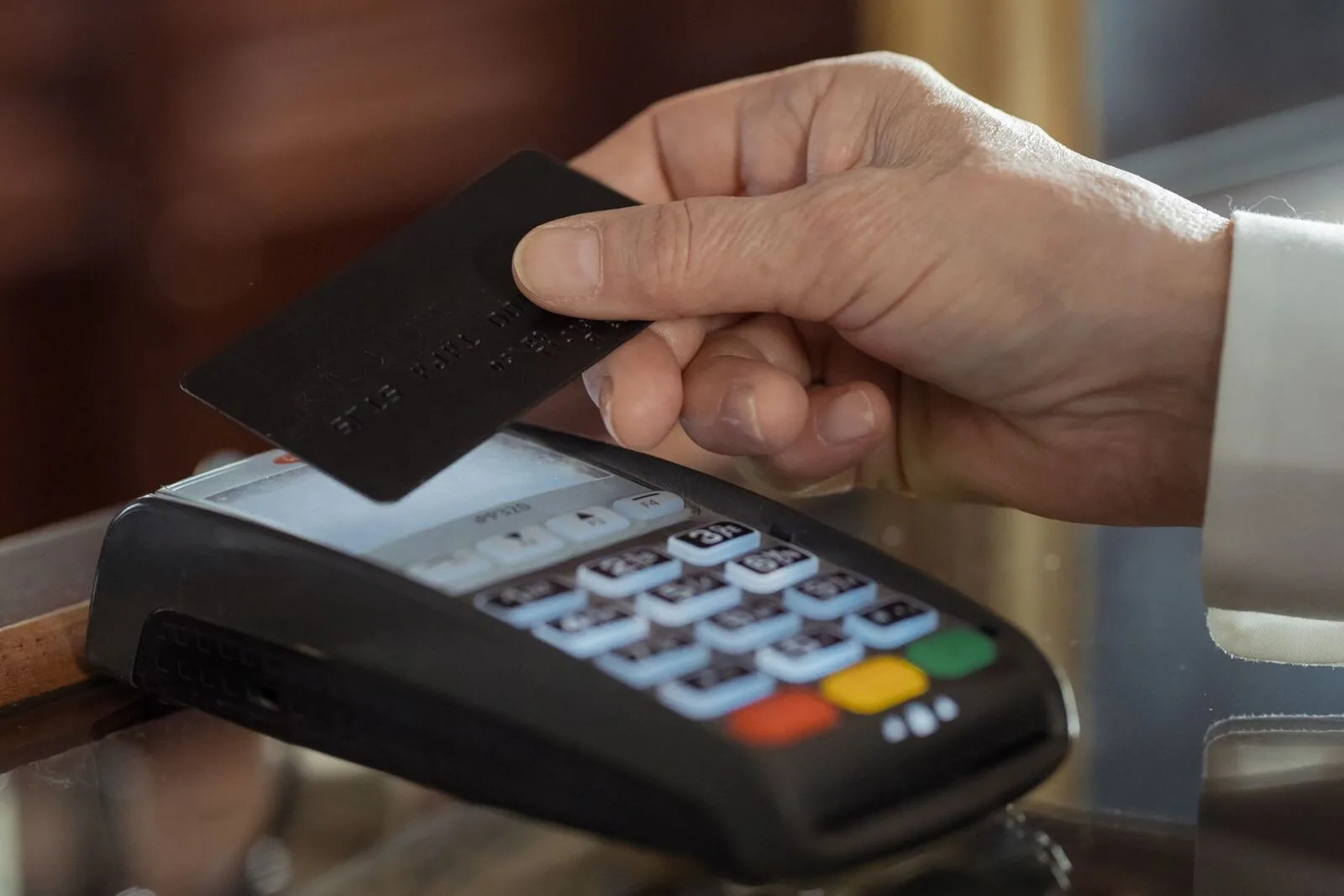
Pay by card. This is the whole game.
If you take one thing from this article, take this. How you pay decides what you can do afterwards.
A card payment can be disputed with your bank. Cash, an instant bank transfer, a payment app or anything described as "cheaper if you do it this way" cannot be, or not realistically. In account after account of locksmith overcharging — we went through 148 of them from nine countries — the people who recovered money were almost always the ones who had paid by card, and the push toward an irreversible method came right at the moment the bill jumped.
So: if the price has changed from what you were told, and you are now being encouraged toward cash or an app, those two facts belong together. Treat the payment method as part of the quote, and say up front that you will be paying by card.
What to ask for before you pay
Five questions, none of which a legitimate technician will mind:
- What is the total, including tax? Not the callout, not "starting at" — the number you will actually be charged.
- Can I have it itemised? Trip, labour, parts, separately. A single line reading "locksmith services" is the receipt people describe when they later cannot find the company.
- What is the business name and address on the receipt? If the name on the invoice is not the name you called, you reached a dispatch service rather than a locksmith.
- Can I pay by card? Ask before the work, not after.
- Who do I contact if this fails next week? A business planning to be there next week answers this easily.
Get the receipt before the technician leaves. It is much harder to obtain afterwards, and a written scope is what turns a disagreement into a straightforward dispute.
If the price changes mid-job
This happens honestly. A lock can turn out to be seized, a cylinder can be a different size than it looked, a door can be damaged in a way nobody could see from outside. A revised price is not automatically a scam.
What matters is the sequence. A fair revision is explained before the extra work, with a new number, and you agree to it. An unfair one is discovered by you on the final bill.
If it happens: ask them to stop, ask what changed and why, and ask for the new total before anything else is done. You are allowed to say no. If the work has not started, you are allowed to pay the agreed callout and send them away — that is what a callout fee is for.
If you cannot pay what is being demanded
Three things, in order.
- Do not let the situation become about your door. Removing or disabling a lock to force payment is not a debt-collection method anyone should accept. If you feel unsafe, that is a call to the police, not a negotiation.
- Pay under protest by card if you must, then dispute it. Paying is not an admission that the charge was fair. Keep everything: the advert, the call log, the quoted figure, the receipt, photographs of the work.
- Then complain properly. New York City licenses locksmiths, which gives you somewhere to take it — we covered how to check a licence and where it leads in how to verify a NYC locksmith licence. The full recovery sequence is in the 30-day playbook after an overcharge.
The fees that appear at the door
Separate from when you pay is what you are being charged for. Some additions are real — after-hours rates, a genuinely difficult lock, parts. Others exist only to grow the bill: vague "security fees", a second technician nobody asked for, a charge for the estimate itself.
We went through which is which, and what you can decline, in the fees NYC locksmiths add at the door and your right to refuse them. If you want the underlying mechanics, the three scams behind most NYC complaints covers how the low quote is designed to work.
How we handle it
This whole article exists because of a gap between two numbers: the one you are told and the one you are charged. That gap is the thing LockAtlas was built to close.
You see the estimate broken into its parts — the trip, the labour, the parts — before you confirm anything. If the technician finds something different once they see the lock, the revised price comes back to you for approval in the app rather than arriving as a surprise at the end. And the technician is verified before they can take the job, so the name on the booking is the person at your door.
None of that is unusual in other trades. It only feels unusual here because of how this one has been allowed to operate.

Need a Locksmith in NYC?
Use the LockAtlas app to describe the work, review the price breakdown and check your booking details.
Download the App