How Much Does It Cost to Rekey Locks in NYC?
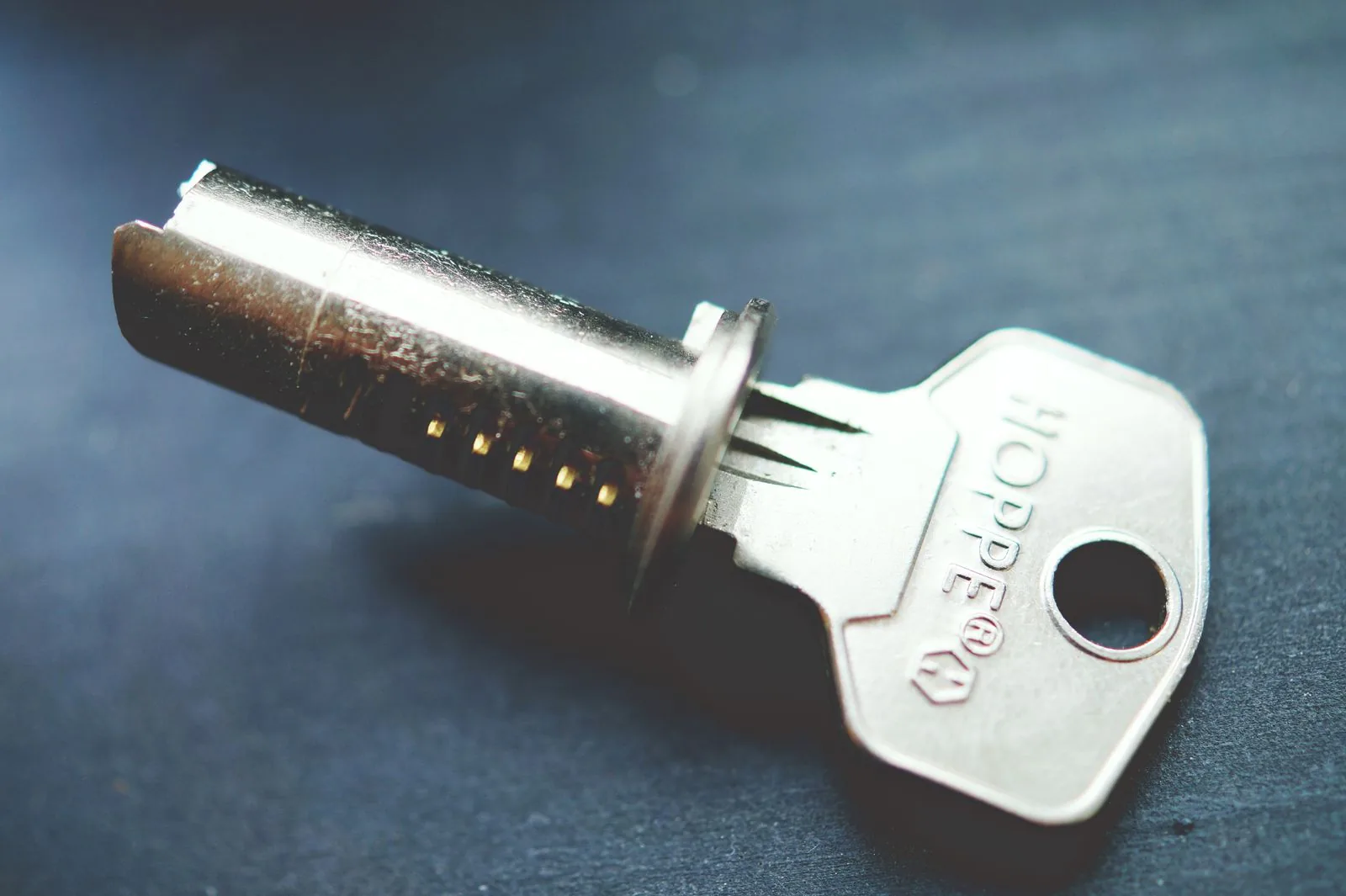
Short answer: for a typical New York one-bedroom with two cylinders, expect roughly $95 to $195. A studio with a single cylinder sits at the low end. A house with four or five doors runs higher.
That is a range, not a quote, and the honest reason is that nobody can price your locks without knowing how many cylinders you have and what brand they are. What follows is the arithmetic behind the range, so you can check any number you are given against it.
What you are actually paying for
A rekey is three charges, not one. Every legitimate quote can be broken into these parts:
- Service call: $40 to $80. Getting a technician and their kit to your door. Charged once per visit, not per lock.
- Per-cylinder rekey: $25 to $50. The actual work — opening the lock, swapping the pin stack, testing it. Charged for each cylinder you want on the new key.
- Keys cut: $5 to $15 for a pair. Standard blanks. Restricted keyways cost more and are covered below.
New York sales tax of 8.875% is added on top of the total.
Worked examples
Using the ranges above, with two keys cut in each case:
- Studio, one cylinder: $40–80 service call + $25–50 rekey + $5–15 keys = $70 to $145.
- One-bedroom, two cylinders (a knob and a deadbolt on the same door, keyed alike): $40–80 + $50–100 + $5–15 = $95 to $195.
- House or duplex, four cylinders: $40–80 + $100–200 + $10–30 = $150 to $310.
Notice what happens as you add doors: the service call does not repeat. Four cylinders do not cost four times one cylinder. If someone quotes you a separate trip charge per lock on the same visit, ask why.
What moves the number up
- High-security cylinders. Medeco, Mul-T-Lock and Schlage Primus can be rekeyed, but the work takes longer and the key blanks are controlled — they are ordered against your authorisation rather than cut from stock. Expect a meaningfully higher figure than the standard ranges above, and ask for it in writing before the technician starts.
- Restricted keyways. If your building uses a restricted system, keys may only be issued through the managing agent or the original supplier. That is a paperwork delay as much as a cost.
- Number of keys. Two keys are usually bundled. A family of four wanting six copies adds to the bill, modestly.
- Time of day. Evening and weekend visits carry a higher service call than a weekday appointment. If the lock still works and you are not locked out, booking for a weekday morning is the cheapest version of the same job.
- Condition of the hardware. A cylinder with worn pins or a bent cam may not hold a rekey. A technician should tell you that before charging you for one.
When rekeying is not an option
Rekeying assumes your existing cylinder is sound and matches a pin kit the technician carries. It will not work when:
- The lock is damaged, seized, or was drilled during a lockout.
- The cylinder is an obsolete or unusual profile with no available pins.
- You want a different security grade — rekeying changes the key, not the lock's resistance to attack.
- Your lease, co-op or HOA requires a specific cylinder that you do not currently have.
In those cases you are looking at replacement, which is a different calculation. We covered the comparison in detail in rekey versus replace, and the real cost difference.
Where the overcharging happens
The rekey itself is not usually where people get hurt. The damage is done in two other places.
The phone quote that is not the door quote. A very low advertised number — the classic is a $19 or $29 service call — covers the trip and nothing else. The per-cylinder charge appears once someone is standing in your hallway with the lock apart. Ask for the per-cylinder figure and the key cost on the phone, not just the call-out.
The upsell to replacement. "These can't be rekeyed" is sometimes true and sometimes a way to sell you hardware. Ask which of the four reasons above applies to your lock, specifically. A technician who can name the reason is telling you something real.
Checking a quote before you agree to it
You do not need to know locks to check a number. You need the quote itemised:
- What is the service call, on its own?
- How many cylinders, and what is the charge for each?
- How many keys are included, and what does an extra one cost?
- Is tax included in the figure you just said?
- If the job changes once the lock is open, what happens to the price?
That last question is the one worth insisting on. A lock can surprise the person working on it, and a revised price is not automatically a scam. What matters is whether the revision is explained and agreed before the work continues, or discovered by you on the final bill.
That is the part LockAtlas is built around: you see the price broken into its parts before you confirm, and if a technician proposes a change once they have seen the lock, you approve or decline it in the app rather than finding out afterwards.
Booking a rekey
If you want the job done, our lock rekeying service in NYC explains what to describe when you request one and what the estimate covers. For the wider picture on what locksmith work costs across the city, see the 2026 NYC locksmith cost guide.
Prices in this article are typical NYC market ranges for standard pin tumbler hardware, offered so you can sanity-check a quote. They are not a LockAtlas price list — your estimate depends on your locks, and you see it before you book.
Need a Locksmith in NYC?
Use the LockAtlas app to describe the work, review the price breakdown and check your booking details.
Download the App