New apartment key copy not working? Check this first
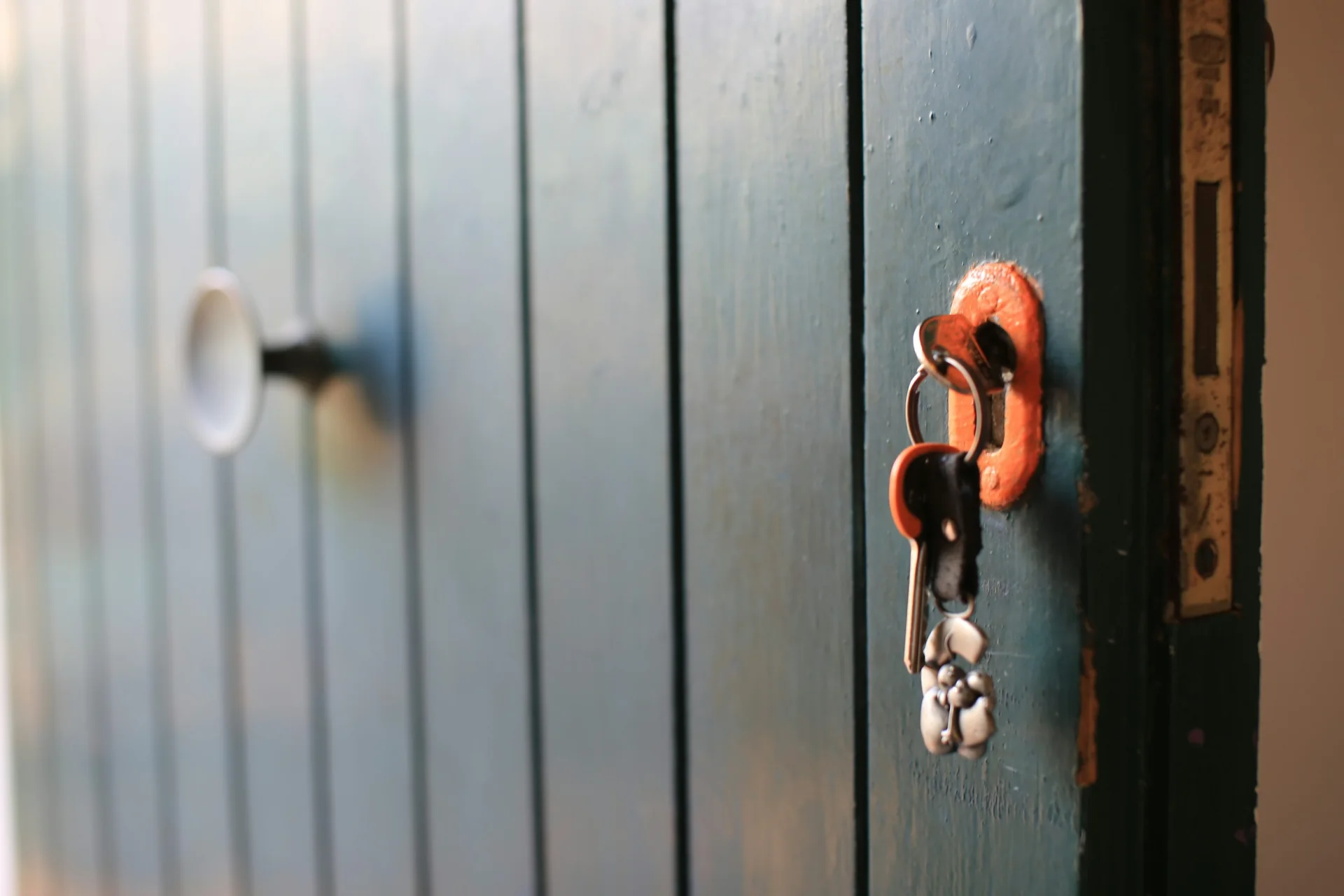
If your original apartment key works normally and a new copy does not, return to the key cutter with both keys before paying for a lock replacement. Keep the working key available and stop if either key sticks or needs force. A failed duplicate is a reason to check the copy, not proof that your apartment lock has failed.
If neither key works, or the original was unreliable before you made the copy, involve the super or an authorized locksmith. The comparison below helps you describe the difference without filing a key, taking the lock apart or risking another lockout.
Establish which key worked before
Separate the original from the new copy. Check your own labels and confirm which key is intended for the apartment door. A building entrance key, mailbox key and apartment key may be on the same ring. Do not try the new copy in neighboring doors to identify it.
Ask yourself three questions before another attempt:
- Did the original work smoothly in this exact lock before the copy was made?
- Has anyone changed or serviced the lock since then?
- Was the new key copied from that original, or from another copy that sometimes sticks?
If the original already needed several tries, tell the cutter that. Reproducing an unreliable reference does not establish whether the result will work correctly. Schlage's rekeying manual specifically warns that duplicate keys can have wear or cutting discrepancies that contribute to sticking when used as a reference during rekeying. That is a reason to preserve a dependable reference key, not an instruction to service the cylinder yourself. Schlage keying and rekeying manual.
Look at the new key in your hand. If it is visibly bent, cracked or damaged, set it aside. Do not straighten it or try to remove metal. The key cutter should inspect the key and determine whether it was made on the correct blank and whether a replacement copy is appropriate.
Compare safely without closing yourself outside
Only make a comparison when you already have authorized access and can control the door safely. Arrange for a trusted household member to stay inside if possible. Do not make your first test by stepping into the hallway and pulling the door shut behind you.
With the door open and under your control, try only the lock's ordinary key operation. Keep fingers clear of the door edge. Do not prop a fire door, disable its closer or leave it standing open unattended. Skip the test if you cannot keep safe access or the door could close unexpectedly.
Use the original first, then the copy, with ordinary hand pressure. One careful comparison is enough. Stop at resistance; a key that requires a hard twist has not passed. If a key becomes stuck, stop manipulating it and contact the building's maintenance contact or an authorized locksmith.
Do not close the door with a bolt projecting into the frame. Return the hardware to its normal open-door position using its ordinary controls. If that cannot be done smoothly, leave further testing to the professional and keep people away from the affected door edge.
Do not force a closed-door test just to complete the table. Report what you already know from normal use. The purpose is to gather a useful observation while protecting your access.
Use the result to choose the next call
| What you observed | What it suggests you should check next | First contact |
|---|---|---|
| Original works normally; copy will not enter normally | Whether the copy uses the right blank or has a defect | Shop or service that made the copy |
| Original works normally; copy enters but will not turn normally | The copy compared with the working reference | Key cutter |
| Both keys resist even with the door open | A problem beyond a single new duplicate | Super or authorized locksmith |
| A key works with the door open but resists during normal closed-door use | How the door and lock operate together | Super or authorized locksmith |
| Original was already inconsistent before copying | Condition of the reference key and lock | Key cutter for the copy; building contact for the lock |
| No working original is available | How to obtain an authorized, dependable reference | Building manager or designated key provider |
These observations narrow the conversation; they do not identify a failed component. For example, two keys behaving differently supports checking the new copy first. It does not prove that the older key or the lock is in perfect condition.
If a key works only when you lean on the door or hold the handle in an unusual position, report that history without repeating the maneuver. Do not turn a workaround into the acceptance test for a new key. The goal is normal operation.
Return to the cutter with a useful description
Bring the original and new key in person, along with the receipt or order reference. Keep the working original until the provider explains what it needs to do. Ask about its correction or refund process; do not assume a specific policy applies.
You can use this short script:
This is the working reference key and this is the copy you made. The original works normally in my apartment lock. The copy [does not enter / enters but does not turn / sticks]. I stopped when it resisted. Please check the blank and the cut against the working reference before I arrange any lock work.
If the original also has trouble, change the description to say so. Accurate observations give the shop a better chance to solve the right problem than a claim that the new key is definitely cut incorrectly.
Do not file the copy, bend it, hammer it into the keyway or add lubricant as an experiment. Those actions can change the evidence the cutter needs to assess and introduce another problem.
Do not post photographs of either key's cut pattern or identifying security markings. An in-person comparison avoids sharing that information publicly. If a service asks for pictures, ask whether a photo of the visible lock brand would answer its question without showing the key.
Know when the building or a locksmith should take over
Some buildings use restricted key systems. Schlage explains that a restricted keyway limits distribution through authorized channels, which may include a specified end user, locksmith or distributor. A general key kiosk may therefore be the wrong place to request a copy. Ask the building who is authorized to supply it. Schlage's explanation of key systems.
The restricted keyway guide for NYC tenants provides background for that conversation. Follow your building's authorization process before commissioning keys or changes to shared-access hardware.
Ask for a lock assessment when both keys fail, the original has become unreliable, or the door cannot be secured normally. Before a paid visit, verify the actual technician's credentials and agree on the assessment charge. If replacement is proposed, request the finding, scope and written estimate before approving it.
A defective new copy does not itself require rekeying. Rekeying addresses which keys operate a compatible lock; replacement changes hardware. Losing control of an apartment key is a separate access concern from receiving a poor copy. Our rekey-or-replace guide explains that decision in more detail. Renters should involve the person authorized to approve the work.
When a corrected copy is ready, check it while safe access is maintained before relying on it as your only key. Label the tested copy clearly without adding your address. New tenants can add this step to the apartment move-in lock checklist.
FAQ
The copy fits but does not turn. Does it need breaking in?
Do not force it or keep twisting in the hope that it will improve. Compare it with a working original under safe conditions, then take both to the cutter. A usable spare should operate normally before you depend on it.
Can I fix a bad copy with a file?
Leave correction to the key provider. Filing changes the key and can make the original problem harder to assess. Bring the unmodified copy and the working reference back to the shop.
What if I no longer have the original?
Ask the building or authorized key provider about a dependable reference and proof-of-authorization requirements. Explain if the missing key may be in someone else's possession. That access question may need separate attention even after you obtain a working copy.
Should I pay for a new lock because one copy failed?
Check the copy first when the original still works normally. If the lock itself is unreliable, ask for an assessment and an explanation of the repair options. Approve replacement based on the finding, not merely the existence of a failed duplicate.
If the problem continues with the original key or the door will not secure, review LockAtlas residential locksmith services in NYC and describe your comparison when requesting an assessment. Confirm the visit charge and obtain approval details before work begins.
Compare the working original and the new copy before requesting an assessment. Illustrative stock photograph.
Photo: Katja Ano · Unsplash license


Need a Locksmith in NYC?
Use the LockAtlas app to describe the work, review the price breakdown and check your booking details.
Download the App