Locked out of your Manhattan office? What to have ready
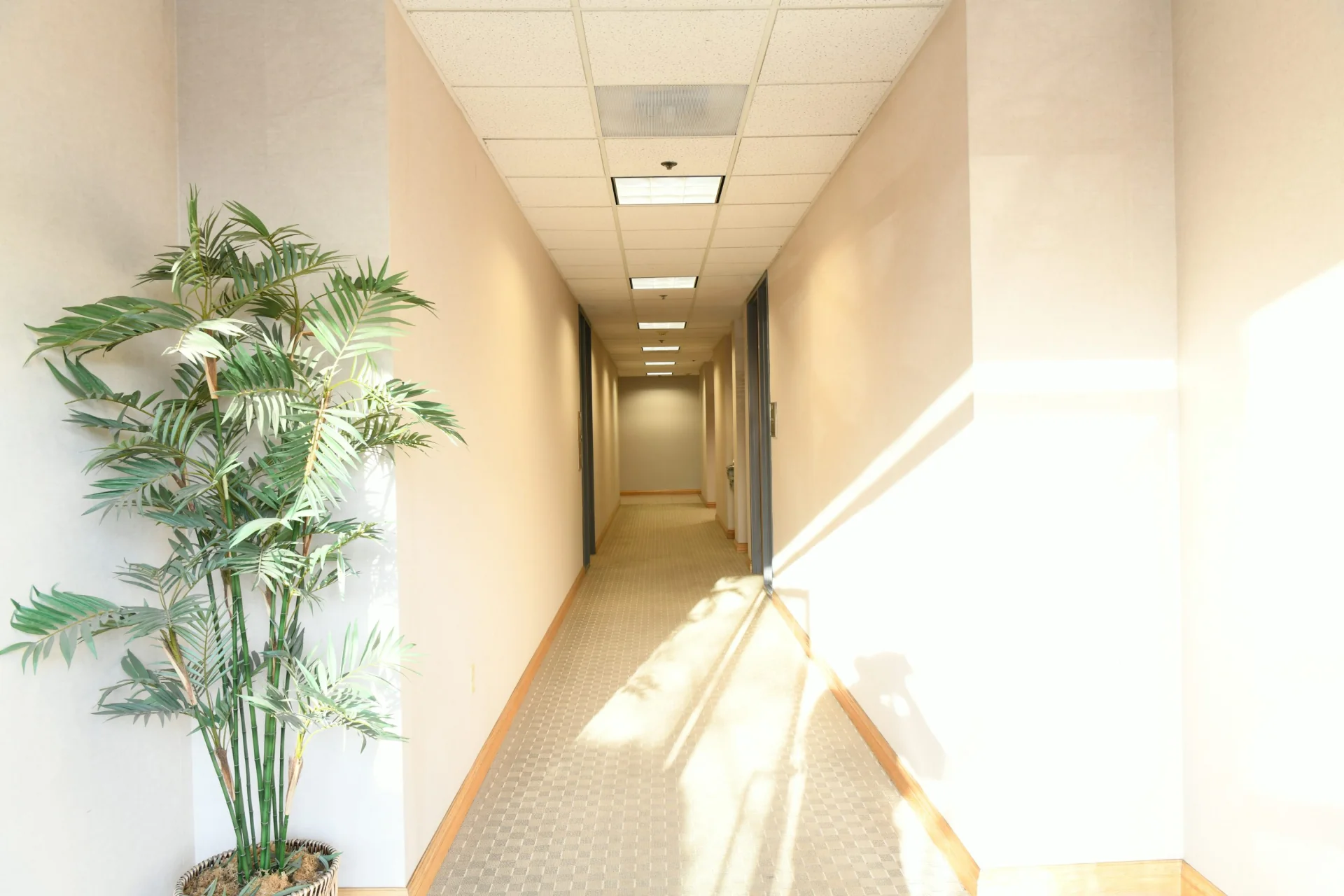
If you are locked out of a Manhattan office, contact your building desk and your company’s authorized office contact first. Identify which door is blocking access, who can approve work on it, and whether a spare key or building access process can solve the problem. Prepare those answers before requesting a locksmith visit.
A company name on a door does not tell a technician who controls that door. The building may manage the entrance, your employer may control the suite, and a separate provider may administer the access system. Sorting out that responsibility is the first useful step.
Locate the problem before choosing a service
Describe what you observe without trying to diagnose the hardware. Are you outside the street entrance, inside the lobby, at the suite door, or outside a room within the office? Did you leave a key inside, lose it, or find that your normal access credential stopped working?
Use this table to decide whom to contact first:
| Where you are stopped | First contact | What to clarify |
|---|---|---|
| Street entrance or shared lobby | Building desk or management | Whether the building has an after-hours admission process or a reported outage. |
| Elevator or controlled floor | Building security and your office contact | Whether your access permission is active and who administers it. |
| Your company’s suite door | Office manager or authorized company contact | Who holds a spare key and who may approve work on this door. |
| Interior office or storage room | Person responsible for that room | Whether you have permission to enter and whether the contents require special handling. |
Do not send several providers to the building while these questions remain unresolved. One person should coordinate the request and keep the others informed. Otherwise, two callers can authorize overlapping visits without knowing it.
If someone is in immediate danger, call 911. A person unable to leave a room is a different situation from an employee unable to enter it. Tell responders which side of the door the person is on.
Find the person who can authorize the work
Identify the company representative responsible for approving the visit. That may be an office manager, owner, facilities contact, or another person designated by the business. Ask that person to remain reachable through the assessment, especially if the scope could change.
NYC’s locksmith rule calls for a good-faith effort to obtain two IDs and evidence of ownership or authority before opening a locked item. Employee identification is among the possible authority evidence, not an automatic approval for every door. See NYC Rules §2-141.
Prepare a clear account of your role and the precise access being requested. Explain whether you are an employee, a contractor, a subtenant, or a visitor. Ask the provider what evidence it needs and how the company representative should confirm permission.
Keep approval to enter separate from approval to alter hardware. Your employer may want access restored while requiring another person to approve a cylinder replacement, new keys, or changes affecting a shared system. Put those boundaries in the work request.
If the request involves a former employee, an ownership dispute, or disagreement over who controls the space, pause and escalate it to the responsible company and building contacts. A technician should not be asked to resolve the business dispute at the door.
Arrange building access before the technician arrives
Call the building desk with the proposed visit details. Ask which entrance the technician should use, who needs advance notice, and what visitor or contractor process applies. If the building requires documents, ask exactly which documents and whether the proposed provider can supply them. Do not assume an arrangement exists because another vendor attended previously.
Confirm where you will meet the technician. In a building with several entrances, the mailing address alone may not identify the correct desk. Share useful arrival details privately with the provider, without posting access codes or security instructions online.
Ask building staff whether the issue affects other occupants. Several employees losing access at once is information for the system administrator. It is not a reason to force a door or improvise a repair. Follow the building’s instructions while the responsible provider assesses the problem.
Keep corridors and exit doors usable during the visit. Do not wedge a door open as an overnight substitute for a repair or interfere with an exit device to keep the office accessible.
If the problem is at the shared entrance, our article on building intercom and lobby-door responsibilities can help frame the coordination questions. Your building’s actual arrangement still needs confirmation.
Send one complete office-lockout request
The provider needs enough information to decide whether it can handle the job and what remains unknown. A clear request also makes it easier to compare responses without treating an unexplained starting price as a complete estimate.
Prepare these details:
- Building address, floor, suite, and the particular door involved.
- Your name, role, callback number, and the approving company contact.
- What happened, including whether a key is inside, missing, or no longer working.
- Whether a shared entrance or building-managed access system is involved.
- The building’s visitor requirements and meeting point.
- The work you are requesting and any limits on replacement or changes.
You can use this message:
We need access restored to our office suite in Manhattan. I will meet the technician, and our authorized company contact will remain available by phone. Building management has been contacted. Please confirm whether you can handle this door, the evidence you need, any assessment or cancellation charge, and how we approve the written scope and estimate before work starts.
Send photos only when you can take them from a place you are authorized to be. Keep employee details, alarm information, and access codes out of the images. Ask the provider which view would help instead of taking apart or manipulating anything to obtain a better photograph.
For the cost questions that may differ from a home lockout, see commercial and residential lockout pricing. Request a current estimate for your actual job rather than treating an article’s example as your price.
Approve changes and finish the handover
Before work starts, check the attending technician’s identity and credentials against the information supplied. Agree on what the technician will attempt, what that costs, and what needs a separate decision. Name one person who can approve changes so the technician is not receiving conflicting instructions from several employees.
If replacement is proposed, ask why it is needed and what will change for staff. Would existing keys still work? Who needs new keys? Does the proposal affect a building-controlled or shared arrangement? The right approver should answer before the work expands.
Once access is restored, have the responsible representative check normal entry and exit with the technician. Ask for an explanation of any unresolved fault, restriction, or follow-up visit. Do not allow “the door opened” to stand in for a complete handover if the door cannot now secure the office as intended.
Keep the estimate, approved changes, and itemized receipt together. Record who received any new keys and who will notify affected staff. If the key was lost rather than left inside, raise that as a separate security decision with the company contact.
Close the loop with building staff. Confirm that the contractor has left and that any temporary visitor arrangements can end. If the building or a colleague resolved the problem before the visit, cancel with the provider and confirm any applicable charge.
FAQ
Can an employee request an office locksmith without the owner present?
Ask the company and provider what authorization is needed for the specific door and work. An owner’s physical presence may not be the only arrangement, but a job title or company email should not be treated as automatic permission.
Should I call a locksmith if my office key card stops working?
Contact the person who administers the access system first. Ask whether the problem concerns your credential, a building restriction, or equipment before requesting work on the door.
What if no one at the company answers after hours?
Try the established backup contact and building desk. Tell any provider you contact that authorization is unresolved, and clarify visit charges before arranging attendance.
Can the technician change our suite lock during the visit?
Confirm capability, company approval, and building requirements before adding that work. Ask how the change would affect existing keys and any shared system, with a revised estimate before approval.
To request help with a Manhattan office lockout, use LockAtlas’s office lockout service in Manhattan and request confirmation of scope, authorization requirements, and availability for your building. For lock work beyond entry, such as rekeying after a staff change, see the commercial locksmith service in Manhattan.
Building access and company authorization are separate parts of preparing an office visit. Illustrative stock photograph.
Photo: Sartori Holdings LLC · Unsplash license


Need a Locksmith in NYC?
Use the LockAtlas app to describe the work, review the price breakdown and check your booking details.
Download the App