Top Reasons New Yorkers Get Locked Out — and How to Avoid It
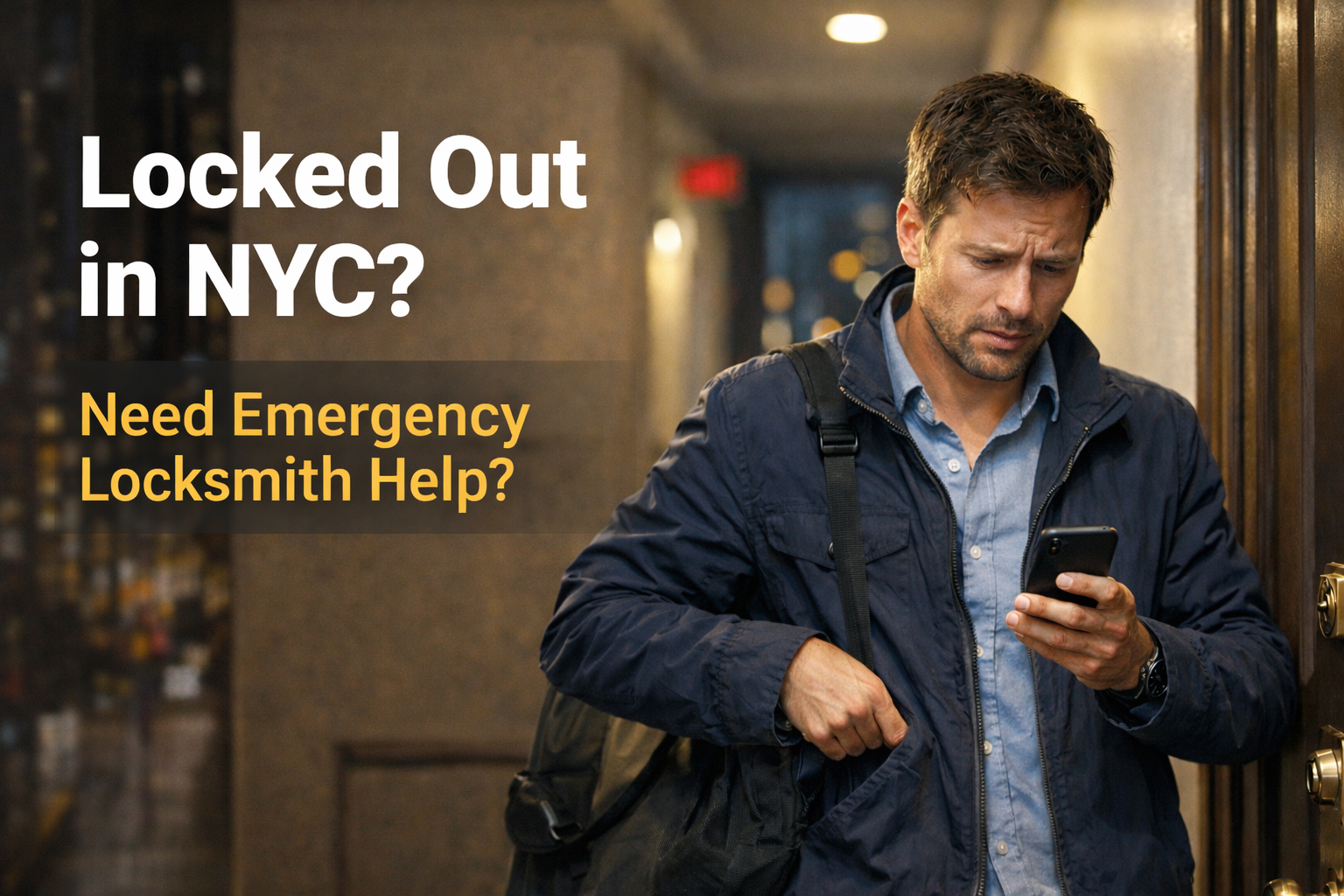
In New York City, getting locked out is not rare. It happens on rushed mornings, late nights, move-in days, grocery runs, school pickups, and one-second mistakes when a door swings shut behind you.
The problem is not just the inconvenience. A lockout can quickly turn stressful, expensive, and unsafe if you do not know what to do next. That is why understanding the most common causes matters. The better you understand why lockouts happen, the easier they are to prevent.
At LockAtlas, we help connect customers with verified, licensed locksmith technicians across NYC, with upfront pricing and real-time tracking built into the experience. This guide breaks down the top reasons New Yorkers get locked out and the simple habits that can help you avoid the same situation.
Why lockouts happen so often in NYC
New York is fast. People leave apartments in a rush, carry too many things at once, rely on old locks, and juggle work, roommates, kids, deliveries, and building access rules. In many buildings, one small mistake is all it takes.
A door slam, a missing key, a worn-out deadbolt, or a broken cylinder can turn a normal day into an emergency. That is why searches for an NYC locksmith, emergency locksmith, or 24 hour locksmith usually happen in moments of stress, not long-term planning.
The good news is that many of the most common lockouts are preventable.
1. Lost keys
This is still one of the biggest reasons people call a locksmith NYC residents can trust. Keys fall out of pockets, get left in rideshares, disappear in gym lockers, or get buried in bags and coat pockets.
In a city where people are constantly moving, small everyday distractions cause big problems.
How to avoid it
Keep your keys in the same place every time. Do not switch pockets randomly. Use a visible keychain. If you carry multiple bags, choose one designated place for keys and stick to it.
A smart backup also matters. Give a spare key to someone you trust, or store one securely in a planned location. Spare-key planning is one of the easiest ways to prevent a lockout from becoming a full emergency.
2. The door slams shut behind you
This is classic NYC. You step out for a second, take out the trash, grab a package, check the hallway, or go downstairs quickly. The door closes. Your keys are inside.
This happens constantly in apartments with self-locking handles, spring-loaded latches, or old door closers that shut harder than expected.
How to avoid it
Never step outside without your keys, even for a few seconds. If your building door or apartment door closes aggressively, pay attention to the hardware. In some cases, worn or overly strong door closers make accidental lockouts more likely.
If this happens often, it may be worth asking a professional about adjusting the closer or upgrading the lock setup.
3. Broken locks or worn-out hardware
Sometimes it is not user error at all. Locks wear down. Keys stop turning smoothly. Deadbolts become misaligned. Internal parts fail.
Older buildings across Brooklyn, Manhattan, Queens, and the Bronx often have aging lock hardware that works just well enough until the day it suddenly does not.
Warning signs
Your key sticks or drags
You need to jiggle the key to unlock the door
The deadbolt does not line up cleanly
The lock feels loose, stiff, or inconsistent
The door only locks properly when pushed or pulled
How to avoid it
Do not wait for a full failure. Routine maintenance matters. If your lock is already acting up, have it inspected before it becomes a true lockout. In many cases, a simple adjustment, repair, or lock change is much easier and cheaper than dealing with a full emergency later.
For homes with aging hardware, regular maintenance and occasional home security upgrades can save money and stress over time.
4. Keys break inside the lock
This is more common than people think, especially with older keys that have been copied multiple times. Metal weakens over time. Add a tight lock or cold weather, and a key can snap.
Now you are not just locked out. You may also be dealing with a damaged cylinder.
How to avoid it
If a key is bent, worn, cracked, or feels weak, replace it before it breaks. Also, never force a key into a lock that is resisting. Resistance usually means something is wrong.
A small warning sign today can become a late-night emergency lockout assistance call tomorrow.
5. Misplaced keys during moves, roommate changes, or Airbnb stays
NYC has constant turnover. People move, sublet, host guests, switch roommates, and hand off keys more often than in many other cities. During those transitions, keys get mixed up, forgotten, or taken by mistake.
This is especially common when multiple copies are floating around and nobody is fully sure who has what.
How to avoid it
After a move, roommate change, or short-term rental situation, reset control immediately. Count the keys. Confirm who has access. If needed, schedule a lock change or rekey service so you know exactly who can enter the property.
For many households, this is also a good time to consider electronic keyless locks or other electronic locks, which reduce dependence on physical keys altogether.
6. Children accidentally locking doors
Parents know this problem well. A child turns a thumb lock, presses a button lock, or closes a door while playing. Suddenly, access becomes a problem.
It can happen in apartments, bedrooms, bathrooms, or even cars.
How to avoid it
Use child-aware locking habits at home. Keep interior privacy locks functioning properly, but make sure adults know how to unlock them from the outside if needed. If your current setup creates repeat problems, a residential locksmith can recommend more practical lock options for families.
7. Car lockouts in busy city life
You are loading groceries, handling a stroller, getting gas, or unloading tools. The keys end up inside the car, and the doors lock before you realize it.
This is one reason many people end up searching for a car locksmith in a hurry.
How to avoid it
Create a simple routine: keys in hand before the car door closes. If your car fob battery is weak or your locking system is behaving unpredictably, fix it early. Vehicle lockouts often feel sudden, but they are usually preceded by warning signs people ignore.
8. Old or low-quality lock installations
Not every lock in NYC was installed correctly. Some doors are misaligned, some cylinders are worn out, and some locks were chosen because they were cheap, not reliable.
In commercial settings, weak hardware can create even more problems, especially when businesses rely on multiple users, shared access, and frequent entry.
How to avoid it
If you manage a storefront, office, or multi-unit building, do not wait until a failure interrupts operations. A qualified commercial locksmith can inspect weak points and recommend better door hardware, stronger door security, or better master key systems for the property.
For higher-risk properties, high-security locks, access control systems, and related business security solutions may also make sense.
9. Rushing during emergencies or stressful moments
A surprising number of lockouts happen when people are distracted, upset, tired, or late. Stress changes behavior. You forget your keys, leave them inside, or fail to notice a lock problem until it becomes urgent.
This is why so many lockouts happen before work, after long shifts, or late at night.
How to avoid it
Slow down for five seconds before leaving. That simple pause prevents a lot of avoidable mistakes.
A good mental checklist:
Wallet. Phone. Keys.
It sounds basic because it is. And it works.
10. Ignoring better security and access options
Some lockouts happen because people are relying on outdated systems that no longer fit how they live.
If you are constantly managing kids, deliveries, dog walkers, cleaners, or roommates, a traditional key-only setup may be creating friction. In those cases, upgrading can reduce both lockouts and security headaches.
Options worth considering
Electronic keyless locks
Modern deadbolt upgrades
Smart entry systems
Better apartment or office access planning
Preventive service for aging lock hardware
For some homes and businesses, broader security systems, intercoms, CCTV/security cameras, or video surveillance may also support safer entry management, though the right setup depends on the property and the problem you are trying to solve.
What to do if you are already locked out
First, stay calm. Then do three things:
Check whether there is a safe, legal alternate entry point.
Look for your backup plan, such as a roommate, family member, super, or trusted contact with a spare key.
If you need professional help, choose a provider that offers transparent pricing before work begins.
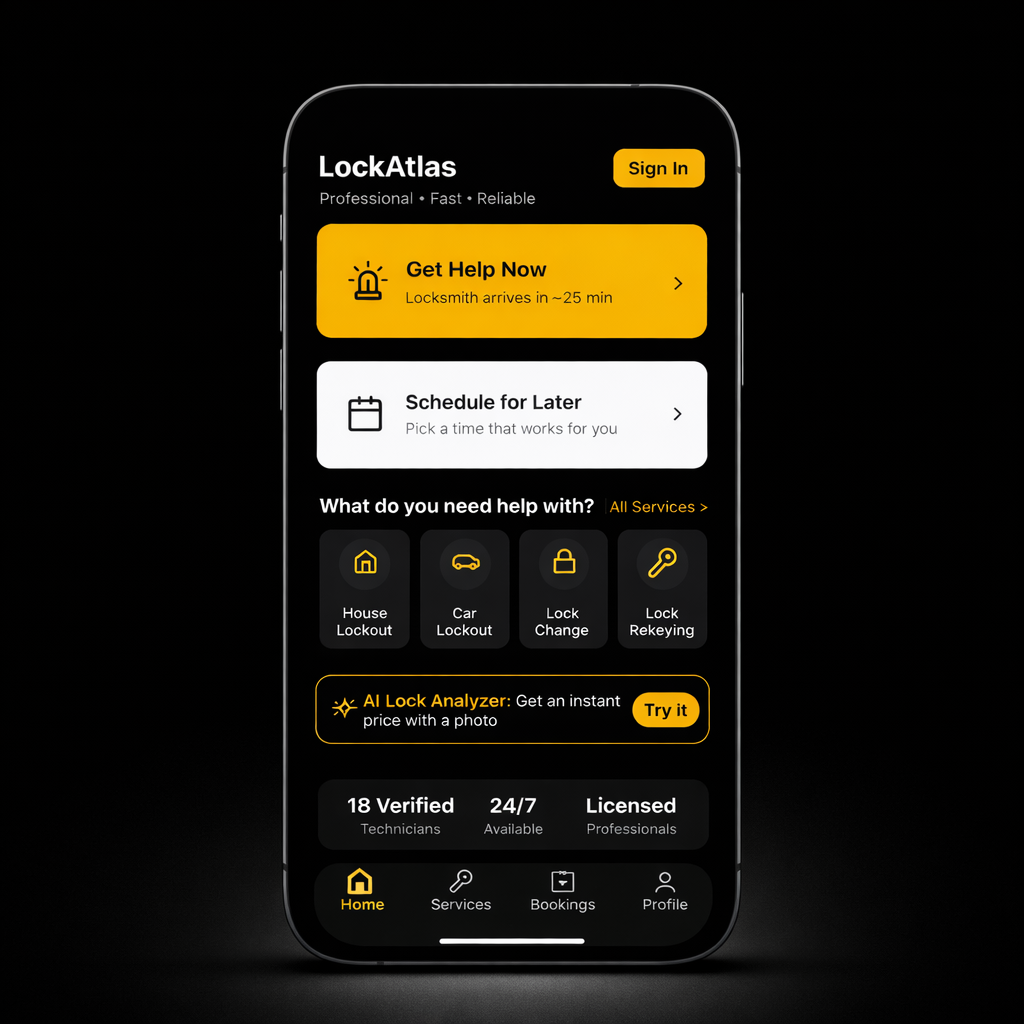
That last part matters. LockAtlas was built around upfront pricing, verified technicians, and real-time tracking so customers can book with more confidence. The platform is designed to connect customers with licensed technicians in NYC and show pricing before confirmation.
The smartest way to prevent lockouts
Most lockouts are not caused by one huge mistake. They come from small habits, old hardware, and lack of a backup plan.
The best prevention strategy is simple:
Keep keys in one consistent place
Create a spare-key plan
Fix locks before they fail
Replace worn keys
Upgrade outdated hardware when needed
Use better access systems if your lifestyle requires them
That is how you reduce stress, save money, and avoid turning a normal day into an emergency.
Final thought
Getting locked out in New York can happen to anyone. The difference is whether it becomes a minor inconvenience or a major problem.
With better habits, routine maintenance, and the right support, most lockouts can be prevented. And when they cannot, it helps to know you have a trusted option.
If you need help from a reliable 24/7 locksmith services platform, LockAtlas is built to make the process clearer, faster, and more transparent from the start.
Here Is What You Can Do
You do not need to be locked out to help.
Download the app and keep it on your phone before you ever need it. It is free on the App Store and Google Play. If you believe in what we are doing, a quick review on either platform takes about 30 seconds and makes an enormous difference for a small team trying to build something real. When you see our posts on Instagram, engage with them. Like them, comment, share them to your story. The algorithm rewards engagement and every interaction puts us in front of someone who has not heard of us yet but might need us someday.
And if this story hit home for you, send it to one person. A friend who rents an apartment alone, someone who just moved to a new city, a family member who has ever been locked out and ended up frantically googling at the worst possible moment. That one share could be the reason they never end up with a four digit invoice.
Team, LockAtlas
LockAtlas is live now on the App Store and Google Play, serving all five boroughs of NYC. Questions or partnerships:
Download LockAtlas IOS & Android
https://apps.apple.com/us/app/lockatlas/id6757092954
https://play.google.com/store/apps/details?id=com.lockatlas.customer
Related reading: locked out of your apartment at 2 AM. setting up an emergency key system. the 2026 NYC locksmith cost guide.
LockAtlas is live now on the App Store and Google Play, serving all five boroughs of NYC. Questions or partnerships: support@lockatlas.com
Customer app (book a verified NYC locksmith)
- iOS: LockAtlas on the App Store
- Android: LockAtlas on Google Play
Technician app (apply to receive jobs)


Need a Locksmith in NYC?
Use the LockAtlas app to describe the work, review the price breakdown and check your booking details.
Download the App