Locked Out of an Airbnb at 5 AM and the Host Isn't Answering: NYC
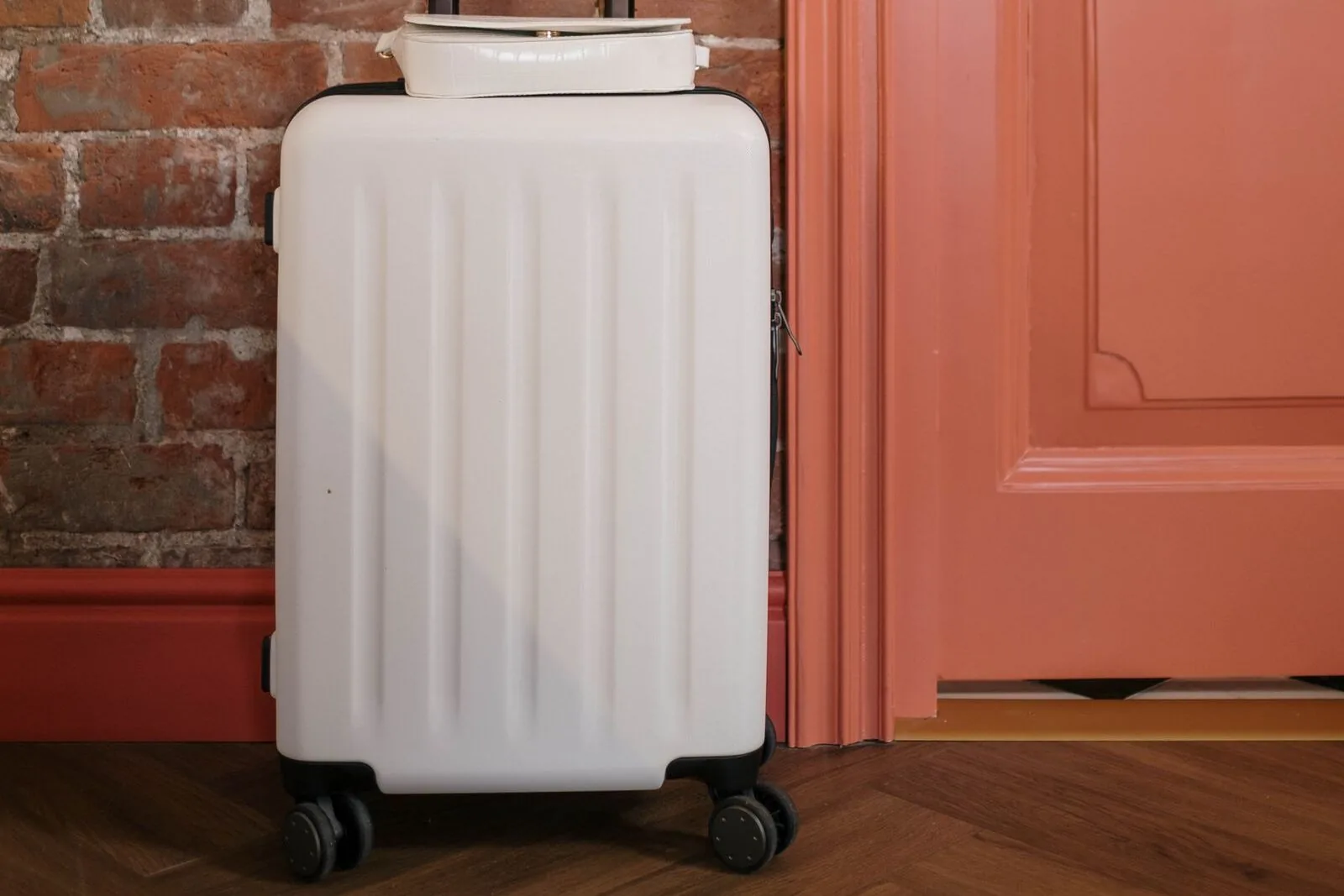
Message and call the host, then contact Airbnb. Once check-in time has passed and the host hasn't answered within a reasonable time, Airbnb says it will try to reach the host urgently, help you find somewhere else to stay if needed, and process a refund if the host can't provide access. What you should not do is hire a locksmith to open a rental you can't prove you're allowed to enter. For a guest, that proof usually means the host's permission in writing.
If you feel unsafe or anyone is in danger, call 911. Airbnb's own guidance says the same: "In an emergency situation or if your personal safety is threatened, contact local police or emergency services immediately." Do not climb, use a fire escape, break a window or force the door, however close your flight is.
Being locked out of an Airbnb at night is hard. At 5 AM the host is asleep, your bag may be inside and the car to the airport is already booked. Here is the order that tends to work, and the one step that looks fastest but usually isn't open to a guest.
First: message, call, then knock
Start where Airbnb tells guests to start. Its check-in help page says to review your messages for check-in instructions and recent host updates, confirm the address, then "call the phone number in your trip details or message them through the Airbnb app."
If the problem is a keypad or smart lock, the same page suggests trying every number "(including potential # or *)", removing extra spaces and checking whether letters are case-sensitive. If you can't find the lockbox or key, re-read the instructions for its location and send the host a photo of what you are looking at.
Then send one message a half-awake host can act on in ten seconds: "Locked out at [address], unit [number]. The code [what you tried] isn't working. My flight is at [time]. Please call me." Call, wait a minute, and call again.
In New York City there is a further reason to knock. The Mayor's Office of Special Enforcement tells hosts: "You must be present during your guests' stay if it is for less than 30 days." It also says short-term rentals "are only legal if the host is living in the same unit or apartment with the guests." In a stay that follows those rules, the person you are messaging may be asleep a few feet away with the phone on silent. Ring the apartment's bell or knock firmly on its door before you assume the worst.
If you booked a whole apartment for a few nights, nobody may be inside to hear you. The office is plain about that arrangement: "You cannot rent out an entire apartment or home to visitors for less than 30 days, even if you own or live in the building." That is for the host to answer for, but it means you should move to the next step sooner.
Then contact Airbnb, and keep the evidence
Airbnb is specific about when to involve it: "If your scheduled check-in time has passed, you're unable to find the listing or access it, and your host hasn't responded within a reasonable time, please contact us." When you do, its help page says it will:
- "Attempt to reach your host urgently"
- "Help you find alternative accommodation if needed"
- "Process a refund if your host can't provide access"
The Rebooking and Refund Policy lists "Host fails to provide their guest access to the accommodations" as a covered issue. It also sets conditions. The guest who made the reservation must contact Airbnb or the host "within 72 hours after discovery" of the problem, should try to resolve it directly with the host first where feasible, and requests "should be supported by relevant evidence such as photographs, videos, or confirmation of the conditions by the host." So screenshot the unanswered messages and your call log now, photograph the keypad or the empty lockbox, and note the time.
A code that doesn't work or a key that isn't where the host said it would be fits that description. If you lost the key yourself, the help pages we read don't address that case, so ask rather than assume.
You can reach Airbnb "by messaging or chat", or by phone at +1-415-800-5959, the number on its customer service page. For safety concerns, Airbnb says you "can always reach us through our dedicated 24-hour safety line."
Be realistic about what this gets you. The pages describe reaching the host, rebooking and refunds, not anyone coming to open the door. If your luggage is inside, the host still has to let you in, or authorize someone who can.
The doorman, the front desk, and a dead phone
If the building has a doorman or a 24-hour front desk, go and talk to them. Be straightforward: you are a guest of the resident in unit such-and-such, you are locked out, and you can't reach them. Staff may be able to call the resident or the managing agent. Don't expect a key handed to someone the building has no record of, and don't argue the point.
Front-desk staff matter even more if you are locked out of an Airbnb without your phone, or with one on its last few percent:
- Write down the host's number and Airbnb's phone number on paper while your battery lasts.
- Ask the doorman, a 24-hour deli or a diner to let you make one call, or to charge your phone at the counter.
- If your account sends login codes to your phone, a borrowed laptop may not get you in. Call Airbnb instead and give a number where they can reach you.
If you have a flight, decide early whether you can leave without what is inside. If you can't, tell the host and Airbnb, with your departure time. If you can, ask the host in writing how they will return your belongings. Wait somewhere lit and open, a lobby or an all-night business, rather than on a dark stoop.
Why a locksmith usually can't open an Airbnb door for a guest
A locksmith opening a door needs to know two things: who you are, and that you are allowed in. Your ID answers the first. A booking confirmation on your screen doesn't settle the second. It shows you reserved a stay, not that the person who controls the door has agreed to let a stranger with tools open it right now.
New York City's locksmith law puts it directly. In the version the City Council passed in 2025, whose locksmith section takes effect on May 31, 2027, every locksmith "shall make a good faith effort to (i) determine the identification of any person requesting the opening of a locked item; and (ii) obtain proof that a person requesting the opening of a locked item is the proper owner of the locked item or is authorized to request that the locked item be unlocked."
For a guest, the practical form of that proof is the host's permission in writing, ideally followed by a call from the host to the technician. A useful message from the host includes:
- The host's full name and phone number.
- The full address and unit number.
- Your name as it appears on your ID.
- A plain statement that you are authorized to have the door opened today.
- Who is paying, and whether any lock work beyond opening the door is approved.
If the host is silent, you don't have that. A technician who opens the door on your word alone would do it for anyone holding a screenshot. Our guide to locksmith ID checks when your wallet is locked inside covers how authority questions play out at the door, including why paying for the work is not the same as being allowed to request it.
One different case: if you have been living in the apartment for 30 days or more and the code was changed to get you out, that is not a missed message. Read whether a landlord can change the locks in NYC before you call anyone.
When a locksmith is the right call
There are two clean cases. The host has authorized the opening in writing and will confirm it by phone. Or you are the host or the leaseholder, locked out at 5 AM before a guest arrives or before your own flight, with ID and something that ties you to the address.
In either case, describe the door and access problem on LockAtlas's NYC lockout service page, then check availability and review the estimate in the app before confirming. Mention the keypad or smart lock if there is one, and say who is authorizing the work.
Cost depends on the lock and the hour, and service fees can vary by time and day. For a standard residential lockout, our weekend and holiday pricing guide puts the typical market range for the weekday overnight window, 11 PM to 6 AM, at $130 to $350, with weekend overnight ranges higher. Those are market ranges, not a quote. If you are the resident, the 2 AM lockout sequence walks through identifying your lock, making a verification call and deciding where to wait.
Whoever you book, check the attending technician against the locksmith verification checklist before work starts.
FAQ
Will Airbnb refund me if I can't get into my Airbnb?
Airbnb says it will process a refund if your host can't provide access. Contact the host or Airbnb within 72 hours of discovering the problem, and keep screenshots, call logs and photos.
Can a locksmith let me into my Airbnb if I show my booking?
Not on the booking alone, if the locksmith is doing the job properly. A reservation shows you booked a stay, not that the person who controls the door has authorized anyone to open it. Get the host's written permission first.
What if the host isn't responding and I'm locked out without my phone?
Borrow a phone from a doorman, front desk or 24-hour business and call Airbnb at +1-415-800-5959. If the host's number lives only in the app, Airbnb is your route to the host.
Is an NYC Airbnb host supposed to be there during my stay?
For stays under 30 days, the Mayor's Office of Special Enforcement says hosts "must be present during your guests' stay" and cannot rent out an entire apartment or home for less than 30 days. Under Local Law 18, hosts must also register with the office, and booking platforms must stop processing transactions for unregistered short-term rentals.
How LockAtlas fits
LockAtlas can't give a guest permission to enter someone else's home, and we won't pretend otherwise. When the host or resident authorizes the job, you describe the door and access problem, check availability and review the estimate in the app before confirming. The technician is verified before they can take the job, and if they find something different, the revised price comes back to you for approval before that work starts.
Need a Locksmith in NYC?
Use the LockAtlas app to describe the work, review the price breakdown and check your booking details.
Download the App