Mortise Lock Repair in NYC: Fix It, New Cylinder or New Body
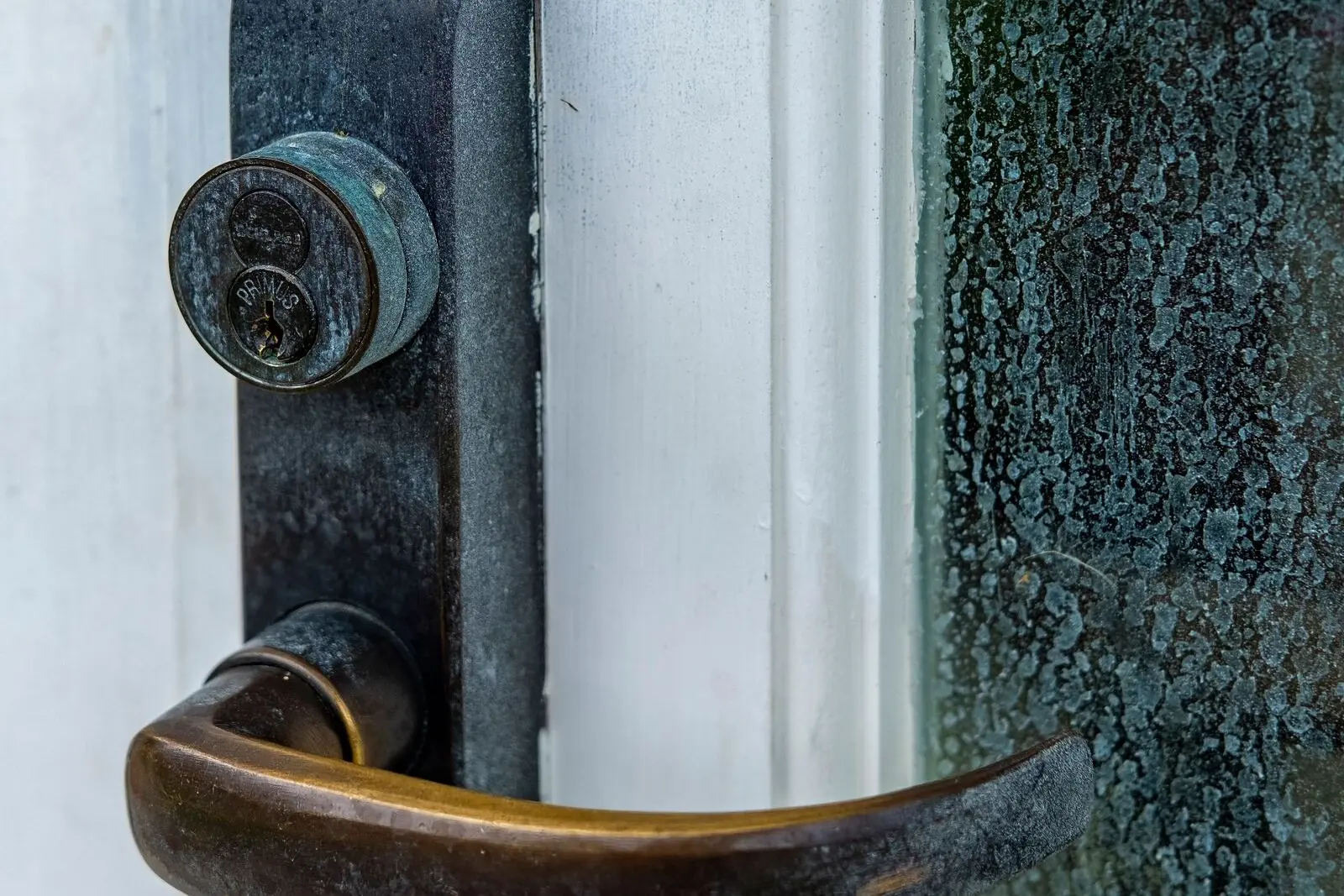
The mortise lock on your pre-war Manhattan apartment door, or on a Brooklyn brownstone's front door, has started acting up: the latch sticks, the knob droops, or the key needs a jiggle it never needed before. That rarely means the whole lock has to go.
The short answer: if the trouble is the key, a new cylinder usually fixes it. If the key works but the latch, bolt or knob does not, the lock body needs repair, and an old body can often be rebuilt. Replace the whole body when the case is broken or parts cannot be found, and only with one that fits the pocket already cut in your door. If the door has sagged, the fix may be at the hinges or strike, not the lock.
What the symptom usually points to
A mortise lock has two parts you deal with daily. The cylinder is the round keyed part on the outside; it screws into the body and turns a cam. The body is the steel box inside the door edge that holds the latch, the deadbolt, the springs and the hub the knob spindle passes through. If you are not sure what you have, our guide to mortise and cylinder locks shows how to tell from the door edge.
- The key won't turn, or only with jiggling. Usually the cylinder: worn pins, a worn key or a badly cut copy. Try the original key if you have one.
- The key turns but nothing moves. Often the cylinder has loosened and rotated, so its cam no longer reaches the bolt, or a part inside the body has broken. That symptom has its own walkthrough: your key turns, but the door will not open.
- The latch doesn't pull back when you turn the knob or lever. Inside the body: a broken spring, a cracked hub or a worn spindle that slips. If it works from inside but not outside, check the faceplate buttons first.
- The latch stays in, or doesn't catch the strike. A tired latch spring, old hardened grease in the case, or a strike that no longer lines up.
- The deadbolt sticks or only goes partway. Usually alignment, sometimes a worn bolt or a part in the body.
- The knob is loose or the lever droops. Often a loose set screw or loose trim screws, a small adjustment. A heavy lever added to a body made for knobs can also sag over time.
- It all worked until the door started rubbing. That is alignment, not the lock. Hinge screws work loose and old wood swells, so the bolt hits the strike instead of entering it.
Two checks that take a minute
The door-open test. With the door open, turn the key and thumbturn and work the knob. If everything moves smoothly open but drags or stops when the door is closed, the lock is probably fine and the door or strike has moved. That is a hinge or strike adjustment; our piece on strike plates, hinges and door frames explains those parts. Only do this while you have a reliable way back in.
The faceplate buttons. Many older mortise locks have two small buttons on the faceplate, often called stop works. One locks the outside knob; the other releases it. If the outside knob suddenly won't open the latch but the inside knob does, press the other button and try again.
Use normal force only. If a lock failure traps someone inside and there is any danger, call 911.
Repair, new cylinder or new lock body
Repair in place
Repair fits when the body is sound and the fault is a part or an adjustment: a loose cylinder that needs re-seating, a set screw, a worn spindle, a strike that needs moving, or a spring or hub inside the case. For internal faults the body comes out, the case is opened and cleaned, the failed part is replaced, and the door itself doesn't change.
New cylinder only
If every problem is about the key, the body can stay. A mortise cylinder screws into the body and is held by a set screw at the lock's edge, so a swap is far less work than a new lock. The replacement needs the right length and a cam that suits your body, so photograph the old one. If the cylinder works and you only want old keys to stop working, that is a rekey, covered in our rekey versus replace guide.
New lock body
Replacement fits when the case is cracked, several parts have failed, parts cannot be found or made at a sensible cost, or you need a function the old body lacks. It also has the most ways to go wrong, because the new body must fit a pocket cut for something else.
On an apartment entrance, the new body must still let you out without a key. HPD's tenant guide says double cylinder locks that "require a key from inside the apartment to unlock or to access the hallway or fire escape are dangerous, illegal and must be removed."
Why the existing pocket decides what fits
A mortise body sits in a rectangular pocket in the door edge, with holes through the door face for the cylinder and spindle. Those cuts were made for the original lock. Four things decide whether a new body drops in or turns into carpentry:
- Backset: the distance from the door edge to the center of the spindle or cylinder. If it differs, the holes won't line up.
- Case and faceplate size: the body has to fit the pocket, and the faceplate has to cover the old cutout and screw holes.
- Handing: which way the door swings. The latch is beveled to meet the strike, so it must face the right way. Some bodies reverse on site; others are made for one direction.
- Door thickness: this sets the spindle and cylinder lengths.
For example, Schlage's door preparation template for its L9000 series lists a lock case of 4 7/16 by 6 1/16 by 1 inch, a 2 3/4-inch backset and a standard lock front of 1 1/4 by 8 inches. The original body in a pre-war door may be smaller, larger or set at a different backset, so a modern body can mean enlarging the pocket or drilling new holes the trim may not hide.
That is why antique bodies are often rebuilt rather than replaced. A fatigued spring, cracked hub or worn latch can often be replaced with new or salvaged parts, and the pocket, holes and original knobs and escutcheons stay as they are.
If you rent, the entrance-door lock is the owner's to fix
HPD's tenant rights page says "owners must provide and maintain security measures" and must ensure buildings are "safe, clean and well maintained, in both common areas and in individual apartments." Its tenant guide adds: "the building manager, superintendent, or owner should immediately repair broken locks or intercoms. Broken locks and intercoms can also be reported to 311."
The order HPD gives:
- Tell the owner, manager or super. HPD's reporting page calls contacting your landlord first "the easiest way to resolve a housing quality or safety issue."
- Put it in writing. The tenant guide suggests notifying the owner verbally or by text or email, then sending written notice by certified mail with a return receipt requested, or by email, and keeping the records.
- If the landlord is unresponsive, file a complaint with 311 by phone, 311 Online or the 311 mobile app.
Two cautions. HPD's guide says apartment doors should be self-closing, returning "to the closed position" and self-latching, and tells tenants not to tamper with them by "taping the latch." If your latch won't catch, report it. HPD also notes tenants "are responsible for violations caused by willful acts, gross negligence, and abuse." Paying your own locksmith to replace the landlord's lock is a separate decision: check your lease and ask the owner first, because reimbursement is not guaranteed. If you own the brownstone or apartment, the repair is yours to arrange.
What to send when you book, and what moves the price
A mortise job is easier to scope when the technician knows the hardware in advance. Send:
- A straight-on photo of the faceplate, door open, with its length and width and any brand or numbers stamped on it.
- A photo of the cylinder face from the hallway and one of the inside trim. Keep the cut edge of your key out of every photo.
- The door thickness, the backset if you can measure it, and which way the door swings.
- What the key and knob do with the door open and closed, and when it started.
- Whether you want the original body kept.
A photo cannot show inside the case, so the diagnosis is confirmed at the door.
What drives the cost
No single published range covers mortise repair. The price moves with whether the fault can be fixed with the body in the door or the body has to come out and be opened; whether parts for an old body are on hand, must be sourced or must be made; the length and grade of a new cylinder; and for a new body, the body plus any work on the pocket, holes or trim. Two market figures apply to any visit: our 2026 NYC locksmith cost guide puts a legitimate trip charge at typically $40 to $80, and notes that work outside standard hours, roughly 8 AM to 8 PM on weekdays, usually carries a 25 to 50 percent surcharge.
Once you have the photos and the door-open result, request a visit through our residential locksmith service in NYC and say whether you want the original lock rebuilt or replaced.
FAQ
Can a mortise lock be repaired instead of replaced?
Often, yes. If the case is intact, broken springs, a cracked hub, a loose cylinder or a misaligned strike can usually be fixed and the body goes back in the same pocket.
Why is my mortise lock not working from the outside only?
Check the two faceplate buttons first; one locks the outside knob on purpose. If neither changes anything, the outside half of the spindle or the hub may have failed, which is a repair.
How much does mortise lock repair cost in NYC?
It depends on whether the body has to come out, whether parts exist, and whether a cylinder or whole body is needed. A legitimate trip charge typically runs $40 to $80 before any work, according to our cost guide. Ask for the diagnosis and total before work starts.
Can an antique mortise lock be repaired?
In many cases, yes. Old cases can often be rebuilt with new springs or salvaged parts, keeping the original knobs, escutcheons and pocket. Say the lock is original when you book.
Where LockAtlas fits
In the LockAtlas app you describe the door and the problem, add photos, check availability and review the estimate before confirming. The technician is verified before they can take the job, and if they find something different, such as a body that cannot be rebuilt, the revised price comes back to you for approval before that work starts.

Need a Locksmith in NYC?
Use the LockAtlas app to describe the work, review the price breakdown and check your booking details.
Download the App