Mortise vs cylinder locks: what every NYC tenant should know before changing one

Walk through a pre-war NYC apartment building and most of the front doors have mortise locks. Walk through a 1990s-or-newer building and almost all the locks are cylinder locks (specifically, bored cylindrical locks). The two types look similar from outside, work similarly for the user, and cost roughly the same to operate. They are fundamentally different pieces of hardware, and confusing them is one of the most common reasons NYC tenants end up paying for the wrong locksmith work.
This piece walks through what each type actually is, how to tell which one your apartment has, why the distinction matters when you change or upgrade a lock, and what the price and security tradeoffs look like.
What a cylinder lock actually is
A cylinder lock (the common residential type, also called a "bored cylindrical lock" or "tubular lock") is the lock format most NYC apartments built after roughly 1970 use.
The mechanism: a cylindrical hole is bored through the door. A latch and a deadbolt assembly slide into the hole horizontally. The keyway-bearing cylinder mounts on the exterior side, the rotating turn-piece mounts on the interior. The two are connected by a tailpiece that runs through the door.
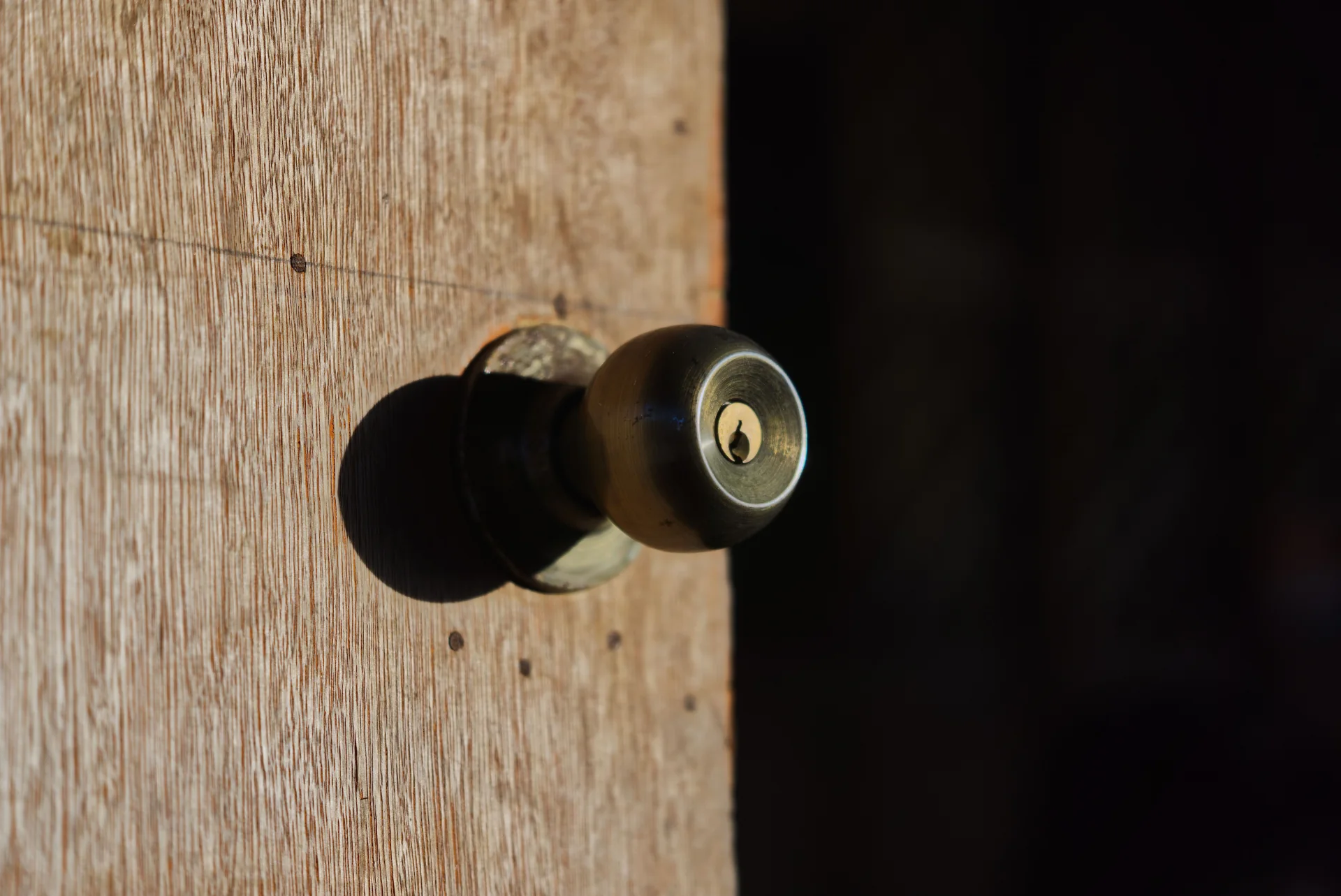
What this looks like in practice: a round cylinder visible on the exterior of the door, often with a manufacturer brand stamped on the face (Kwikset, Schlage, Yale). Above or below it, a separate round deadbolt cylinder. The lock is roughly 1 inch in diameter for the cylinder. The total mechanism fits in a 2.125-inch hole through the door.
Cylinder locks are easier to install, easier to replace, and significantly cheaper. The market for cylinder locks is huge and competitive, which keeps prices down.
What a mortise lock actually is
A mortise lock is the lock format most NYC apartments built before roughly 1960 use. The name "mortise" comes from the rectangular pocket (mortise) cut into the edge of the door to house the lock body.
The mechanism: a large rectangular metal box, typically 4-6 inches tall and 1 inch thick, slides into a mortise pocket in the door edge. The box contains the latch, the deadbolt, and sometimes additional functions (privacy mode, classroom function). The cylinder mounts on the exterior side and threads into the lock body. The interior side has a faceplate, a thumbturn, and often a handle.
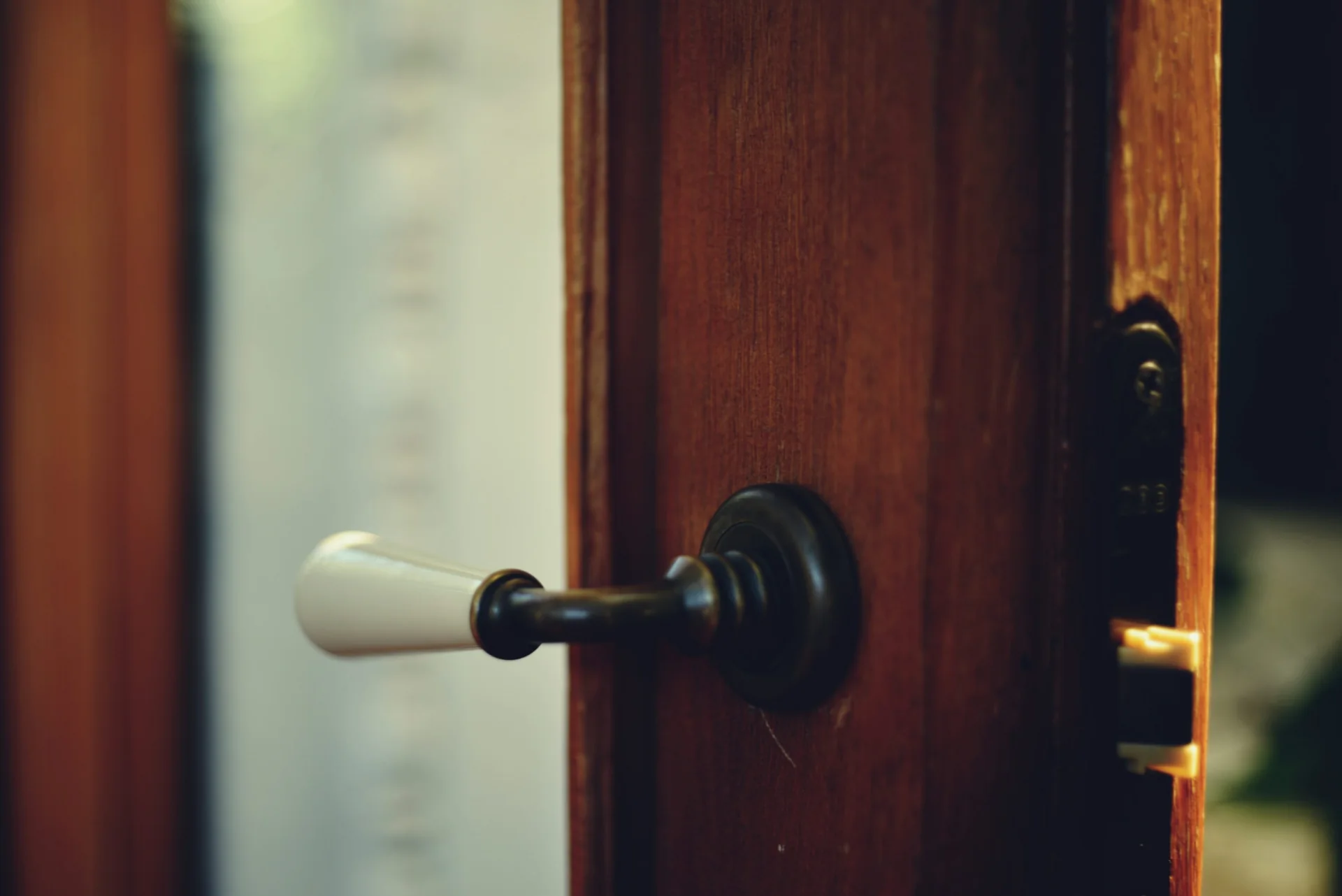
What this looks like in practice: a large faceplate on the door edge (the part of the door that faces the frame when closed), visible only when the door is open. From the exterior, the lock looks like a single cylinder, often with an ornate decorative trim plate or "escutcheon" around it.
Mortise locks are mechanically more durable, more expensive to repair, and require specific skills to service. The market for mortise locks is smaller and more specialized.
How to tell which one you have
Three quick ways to identify your lock type.
Open the door and look at the edge. If you see a large rectangular metal faceplate, typically 4-6 inches tall, with two large screws holding it in place, it is a mortise lock. If you see a smaller rectangular plate around 3 inches tall, with one screw or no visible screw, it is a cylinder lock.
Look at the interior side of the door. Mortise locks typically have a single decorative cover plate that surrounds both the thumbturn and the handle. Cylinder locks have two separate cover plates, one around the deadbolt thumbturn and one around the doorknob or lever.
Check the building era. Pre-1960 NYC walk-ups almost always have mortise locks unless previously modernized. 1960-1990 construction is mixed. Post-1990 construction is almost always cylinder.
Knowing your lock type matters because the locksmith conversation is different for each.
The lock-change conversation: cylinder
Changing a cylinder lock is straightforward. The cylinder unscrews from the housing, a new cylinder threads in, the keys are cut to the new pin configuration. Total time: 15-30 minutes per cylinder. Cost: $80 to $180 per cylinder installed during standard hours.
The same housing accepts cylinders from multiple manufacturers, which means upgrade paths are flexible. A standard Kwikset cylinder can be replaced with a Medeco high-security cylinder using the same hole, the same screws, and the same general installation procedure.
The rekey process for a cylinder lock is similarly straightforward. The cylinder comes apart, the pins are swapped, the cylinder goes back together. Rekey cost is $25 to $50 per cylinder plus the service call. Full process in rekey vs replace: when each one makes sense.
The bottom line for cylinder locks: most NYC locksmiths can handle them, the parts market is large, and changes are quick.
The lock-change conversation: mortise
Changing a mortise lock is significantly more involved.
The mechanism: the entire mortise box has to come out of the door, either to be replaced wholesale or to have specific components (cylinder, springs, pin sets) repaired. Removing the box requires careful work to avoid damaging the door edge or the surrounding hardware.
Replacement options:
Direct mortise box replacement. A new mortise box is sized to the existing mortise pocket and installed. Cost: $300 to $700 including the new box. The challenge is matching the existing mortise dimensions; not all replacement mortise boxes are the same size.
Cylinder-only replacement. The existing mortise box is kept; just the keyway cylinder is replaced. Cost: $120 to $300 per cylinder. This works if the mortise box itself is functional and only the cylinder needs upgrading.
Convert to cylinder lock. The mortise pocket is filled, and a new cylinder-lock setup is installed. Cost: $400 to $900 including the conversion work. This is a major change and may affect the historic character of pre-war apartments. Not always advisable.
For most NYC tenants with mortise locks, the cylinder-only replacement is the right approach. The mortise box is preserved, the upgrade is targeted, and the cost is reasonable.
The bottom line for mortise locks: fewer locksmiths are fully competent on them, parts are specialized, and changes take longer. Use a DCWP-licensed locksmith with documented mortise experience.
The security comparison
A common assumption is that mortise locks are inherently more secure than cylinder locks. This is partially true and partially folklore.
Where mortise wins. The mortise box is more resistant to force attacks (kicking, ramming) because the lock mechanism is housed inside the door rather than mounted to the door surface. A solid mortise lock with a proper strike plate is genuinely harder to defeat by brute force than a comparable cylinder lock.
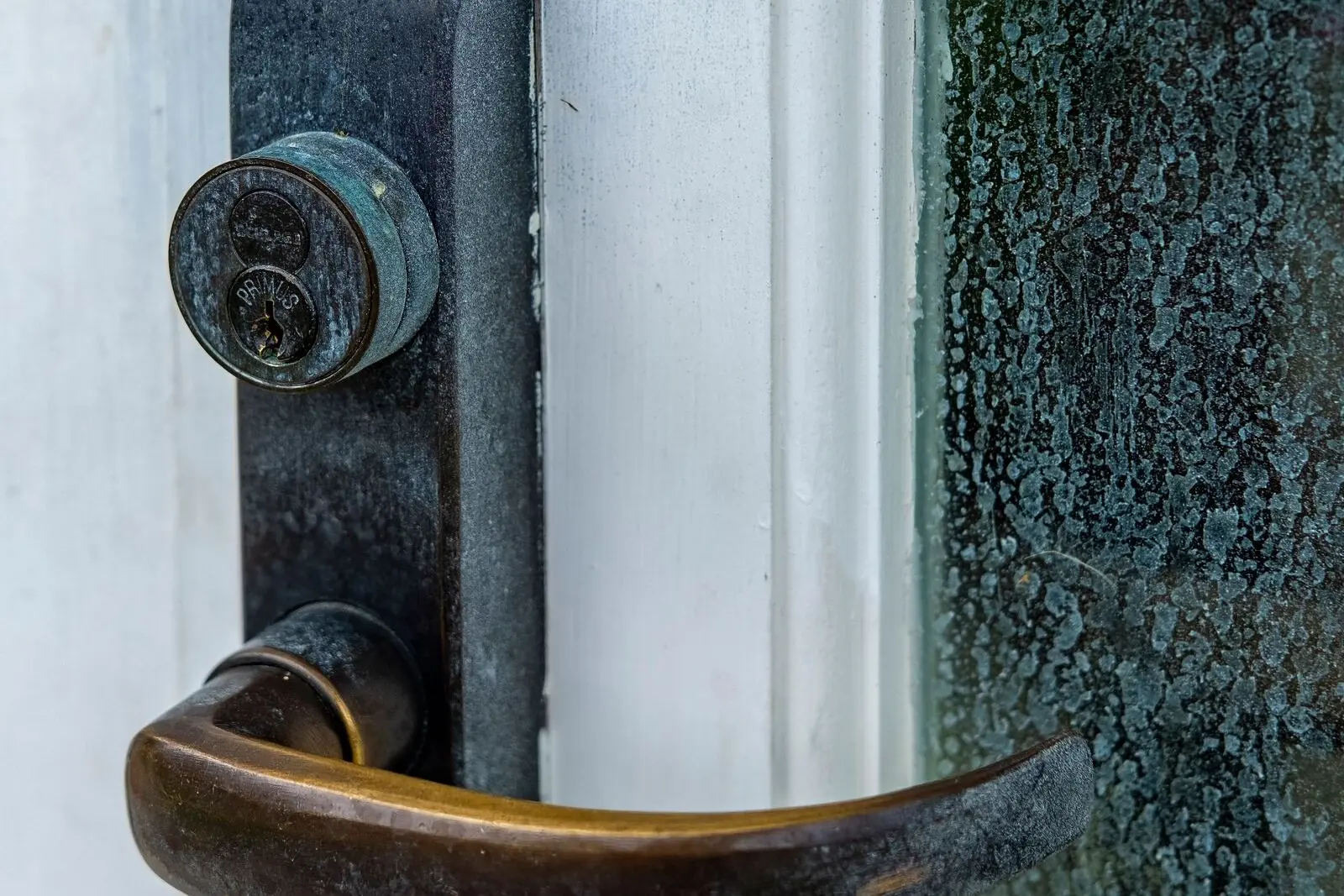
Where cylinder wins. Modern cylinder locks have access to a wider range of high-security cylinder options (Medeco, Mul-T-Lock, Schlage Primus). The pick resistance and bump resistance of these modern high-security cylinders is generally higher than the cylinder in a typical pre-war mortise box.
Where they tie. Both can be retrofitted with high-security cylinders. The maximum security level achievable is roughly comparable when both are upgraded to high-security tier.
For practical security in NYC apartments, the lock type matters less than the cylinder quality and the strike plate reinforcement. Full lock comparison in Medeco vs Mul-T-Lock vs Schlage and the security architecture in pick-resistant locks for ground-floor and fire-escape apartments.
The cost comparison over the lifetime of the apartment
Five years in a pre-war NYC apartment with a mortise lock and one move-in rekey, one mid-term rekey, and one major incident (lost key, attempted entry):
Mortise lock total cost. Move-in rekey: $150 to $300. Mid-term cylinder upgrade: $200 to $400. Major incident response: $300 to $600. Five-year total: $650 to $1,300.
Equivalent cylinder lock total cost. Move-in rekey: $90 to $200. Mid-term cylinder upgrade: $80 to $180. Major incident response: $150 to $300. Five-year total: $320 to $680.
The cylinder lock saves $300 to $600 over the lifetime of the typical NYC tenancy. For mortise locks, the convenience and historic-fit factors offset the cost differential for some tenants. For others, the conversion to cylinder is worth the upfront cost.
NYC-specific considerations
Two factors specific to NYC apartments matter for the mortise-vs-cylinder decision.
Building character and tenant rights. Some pre-war NYC buildings (co-ops particularly) prefer or require mortise locks for historic character preservation. Converting to cylinder may not be allowed. Check the proprietary lease before any major lock change. Full process in co-op board rules on lock changes.
Door condition. Many pre-war NYC apartment doors have shifted slightly over decades. The mortise pocket may not align perfectly with new mortise box hardware, and the existing mortise box may have been customized to fit the specific door. A "drop-in replacement" mortise box rarely actually drops in cleanly. Plan for adjustment work.
What changes when the locksmith is platform-booked
For cylinder locks, the platform-booking experience is straightforward: photo of the cylinder, price calculated, technician dispatched.
For mortise locks, the photo at booking should include the lock from multiple angles, including the door edge view if possible, to allow the platform's pricing model to identify the lock type and budget appropriately. The technician dispatched is one with documented mortise experience.
LockAtlas operates with the same architecture for both types but routes mortise jobs to technicians with mortise competence. The mechanism is described on the LockAtlas download page.
FAQ
Can I replace a mortise lock with a cylinder lock?
Yes, but it requires more work than a like-for-like replacement. The mortise pocket has to be filled (typically with a wood block or filler plate), a new hole is bored for the cylinder, and a new strike plate is installed. Cost is $400 to $900. This is sometimes the right choice for tenants who want the easier maintenance of cylinder locks and are willing to lose the historic character.
Why do mortise locks cost more to repair?
Three reasons: the parts are specialized (smaller market, less competition), the labor is more skilled (the lock body is more complex than a cylinder), and the parts inventory at most locksmiths is smaller (the technician may need to order specific parts rather than carry them in the truck). See mortise lock repair in NYC for the repair-or-replace decision.
Can I find replacement parts for an old mortise lock?
Most pre-war NYC mortise locks were made by manufacturers that no longer exist (Russwin, Sargent, Yale, Corbin). Parts for these locks are sometimes available through specialty locksmith suppliers or salvage yards. A locksmith with mortise experience will know the sources. Plan for longer service time when sourcing specialty parts.
Are mortise locks safer for fire escape situations?
Mortise locks and cylinder locks are equivalent for fire safety as long as both have functional interior thumbturns. The thumbturn allows interior exit without a key, which is the fire-safety requirement. Some mortise locks have additional functions (privacy mode, classroom function) that interact with thumbturn behavior; verify the lock can be opened from inside without a key.
What if my mortise lock is broken and I cannot find a replacement?
Three options: (1) Find a salvage yard with vintage mortise hardware (some Brooklyn salvage businesses specialize in this); (2) Have a locksmith fabricate replacement parts (expensive, $300+ for custom work); (3) Convert to a cylinder lock setup ($400-900 total). For most tenants, option 3 is the most practical when the original mortise lock cannot be repaired.
The mortise-vs-cylinder distinction is a major variable in NYC locksmith calls that most tenants do not know about until they need to make a decision. Knowing which type you have shapes the entire conversation about pricing, parts, and timeline. Full pricing context in the 2026 NYC locksmith cost guide. Lock-comparison framework in Medeco vs Mul-T-Lock vs Schlage. Rekey decisions in rekey vs replace: when each one makes sense.
LockAtlas is live now on the App Store and Google Play, serving all five boroughs of NYC. Questions or partnerships: support@lockatlas.com
Customer app (book a verified NYC locksmith)
- iOS: LockAtlas on the App Store
- Android: LockAtlas on Google Play
Technician app (apply to receive jobs)
Need a Locksmith in NYC?
Use the LockAtlas app to describe the work, review the price breakdown and check your booking details.
Download the App