Your key turns, but the apartment door will not open
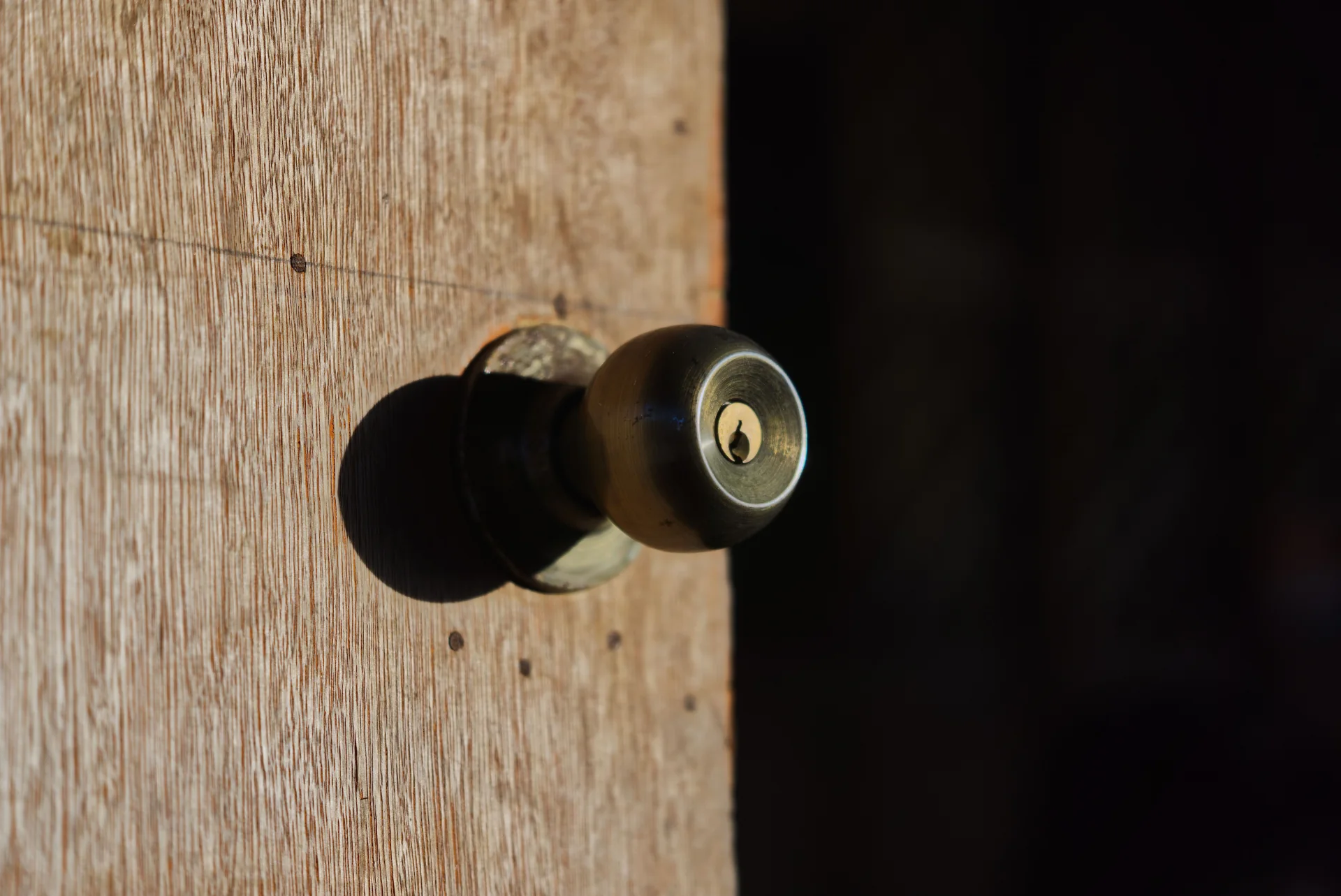
If your key turns but the apartment door will not open, stop forcing it. Turning the key tells you something moved inside the lock; it does not tell you which part is preventing entry. Before paying for a replacement, describe what the key and handle actually do.
That distinction matters when requesting a locksmith. “I lost my key” and “my usual key turns, but the door stays shut” are different service requests. A clear description helps the technician prepare and gives you a better basis for discussing the work.
Start with what changed
Think about the last time the door worked normally. Did this happen suddenly, or have you been lifting the handle and pulling the door for weeks? Was a new key cut yesterday? Did someone recently install a lock, paint the door or adjust the closer?
You do not need to identify the failed part. Record the change without turning it into a diagnosis. “The key now makes a full turn without the usual resistance” is more useful than “the cylinder is broken” when nobody has inspected it.
Use this table to describe the symptom. These are observations to pass on, not instructions to keep testing a failing lock.
| What you notice | What to tell the locksmith |
|---|---|
| The key feels much looser than usual | Whether it turns farther than before and whether you hear any movement |
| The key turns normally, but the handle behaves differently | Whether the handle moves, stops or fails to return to its usual position |
| The problem followed a new installation | The installation date, model if known and who did the work |
| You have been pushing or lifting the door to operate it | How long this has happened and whether the door also rubs the frame |
| Only a new duplicate fails | Whether the previously working key still operates normally |
| There are two separate locks | Which key and which lock you tried, including whether the other lock is still engaged |
If the key breaks during an attempt, stop. That becomes a different problem, covered in our broken key in a NYC lock guide. Do not push another key or tool into the opening.
A turning key is not a complete diagnosis
A lock has more than the visible keyhole. The mechanism has to operate correctly, and the door has to move within its frame. A problem in either place can leave you outside.
Alignment deserves attention when a door has been difficult to close or has needed lifting. Schlage identifies sagging hinges, a warped frame and interference at the strike as possible causes of poor door and lock operation. Those are reasons to inspect the whole door, not proof that alignment caused your particular lockout. Schlage’s door-alignment guidance.
If the problem began immediately after installation, mention that before anyone orders another lock. Schlage’s mechanical troubleshooting guide treats installation-related symptoms separately from faults that appear after a period of use. The correct next step depends on the model and the symptom. Schlage’s mechanical lock troubleshooting guide.
NYC apartment doors may also have hardware that differs from the separate deadbolt shown in a generic repair video. If you are unsure what you have, our mortise and cylinder lock guide explains the terms you may hear during an assessment.
Avoid buying parts based only on a photograph of the outside trim. Ask the technician to identify the lock and explain which part of its operation has failed. A familiar brand name on the key or faceplate is not a complete parts specification.
Stop before a small problem becomes a second job
Use only the normal key and handle action. If it does not work, do not add pliers, hammer the key, shoulder the door or try to remove hardware from the hallway. A stuck door is not a reason to experiment with force.
Do not spray an unknown product into the lock because an unrelated video recommends it. Write down anything already applied so the technician knows what they are inspecting. The same goes for recent repairs: say what changed, even if somebody was only trying to help.
If someone inside can open the door normally, let them do that. Once you are safely inside, arrange an assessment before relying on the door again. Keep the key with you during checks. Do not deliberately close a suspect lock to see whether it fails a second time.
Do not tape the latch or wedge an apartment entrance open as a temporary repair. NYC HPD warns against interfering with self-closing doors and directs tenants to report faults to the property owner. HPD’s self-closing door guidance.
If the door failure leaves someone unable to exit and there is immediate danger, call 911. For an ordinary lockout without immediate danger, contact your building’s responsible person and request the appropriate locksmith help.
Send a useful service request
Before choosing a locksmith, contact your superintendent or property manager if you can. Explain whether the affected door belongs to your apartment or is a shared building entrance. Ask who can authorize work on that door and whether the building has an existing service arrangement.
A useful request contains:
- The service address and whether the problem is at a lobby or apartment door.
- Whether you are outside or safely inside, and whether anyone can operate the door normally from inside.
- What the key does and what the handle does, described separately.
- The number of locks on the door and any visible brand or model name.
- Recent installation, painting, damage or a history of difficult operation.
- The person who can confirm your authority and approve the work.
Send a clear photo of the visible lock face and handle through the provider’s agreed contact channel. Include the door edge only if it is already safely accessible. Do not dismantle anything to obtain a better picture, and do not include a readable key pattern, access code or unrelated personal documents.
You can use this message:
My usual key turns, but my apartment door will not open. The handle [describe what happens]. This started [when], and the door previously [worked normally / needed lifting / had recent work]. I am [outside / inside]. Please confirm what assessment and entry work the quote covers before I approve a visit.
Fill in what you know. “I cannot tell” is better than guessing about the hardware.
Ask what the price includes before work starts
The immediate task may be restoring access. The lasting repair may require a separate decision after inspection. Ask whether the estimate covers both, and which parts, labor or other charges are included.
Bait-and-switch pricing becomes harder to challenge when the original offer never defines the job. Ask for the scope in writing. If the proposed work changes after inspection, request the reason and revised total before approving it.
Useful questions are:
- What have you identified as the fault, and what observation supports that?
- Does the proposed price include restoring normal operation after entry?
- If replacement is recommended, which component or complete lock will be replaced?
- What would I owe if I decline the revised work?
Check the technician’s identity and license information as well. NYC provides a public DCWP license lookup. A license check and a written estimate answer different questions; neither substitutes for the other.
Before the job closes, ask to see the repaired door operate normally from both sides when safe. Confirm that the door closes and latches as intended, and keep the itemized receipt and any warranty information. If it still needs unusual force, raise that before accepting the repair as finished.
FAQ
Does a spinning key mean I need a new lock?
Not by itself. Report whether the key’s movement has changed and ask for an assessment of the exact hardware before approving a part or complete lock replacement.
Should I keep trying if the key almost works?
Stop if normal operation fails or the key meets unusual resistance. More force does not establish the cause, and you may be left with a damaged key as well as a door problem.
Is this the same as a broken key stuck in the lock?
No. An intact key that turns without opening the door is a different symptom from a key fragment lodged inside the lock, so describe it accurately when requesting service.
Can a locksmith promise the repair from a photo?
A photo helps identify visible hardware and prepare for the visit. It cannot show every internal part or establish the full repair scope on its own.
For a door that stays shut despite your usual key turning, review LockAtlas’s NYC lockout service and include the key-and-handle description with your request.
Describe what the key, knob and door each do when requesting an assessment. Illustrative stock photograph.
Photo: Nothing Ahead · Pexels license
Need a Locksmith in NYC?
Use the LockAtlas app to describe the work, review the price breakdown and check your booking details.
Download the App