Locked Out of an Apartment in Brooklyn: Which Door, Who Opens It
Your keys are on the counter of a fourth-floor Bushwick walk-up, or you stepped into the vestibule of a Bed-Stuy brownstone for the mail and heard the inner door latch behind you. In Brooklyn, the first question is not who to call but which door you are locked out of.
The short answer: if only the building's street or vestibule door is shut, a neighbor, the super or the landlord can let you in, and that should cost nothing. If your own apartment door is locked, it gets opened by someone who holds your key or by a locksmith who has seen proof that you live there.
Street door or apartment door: two different problems
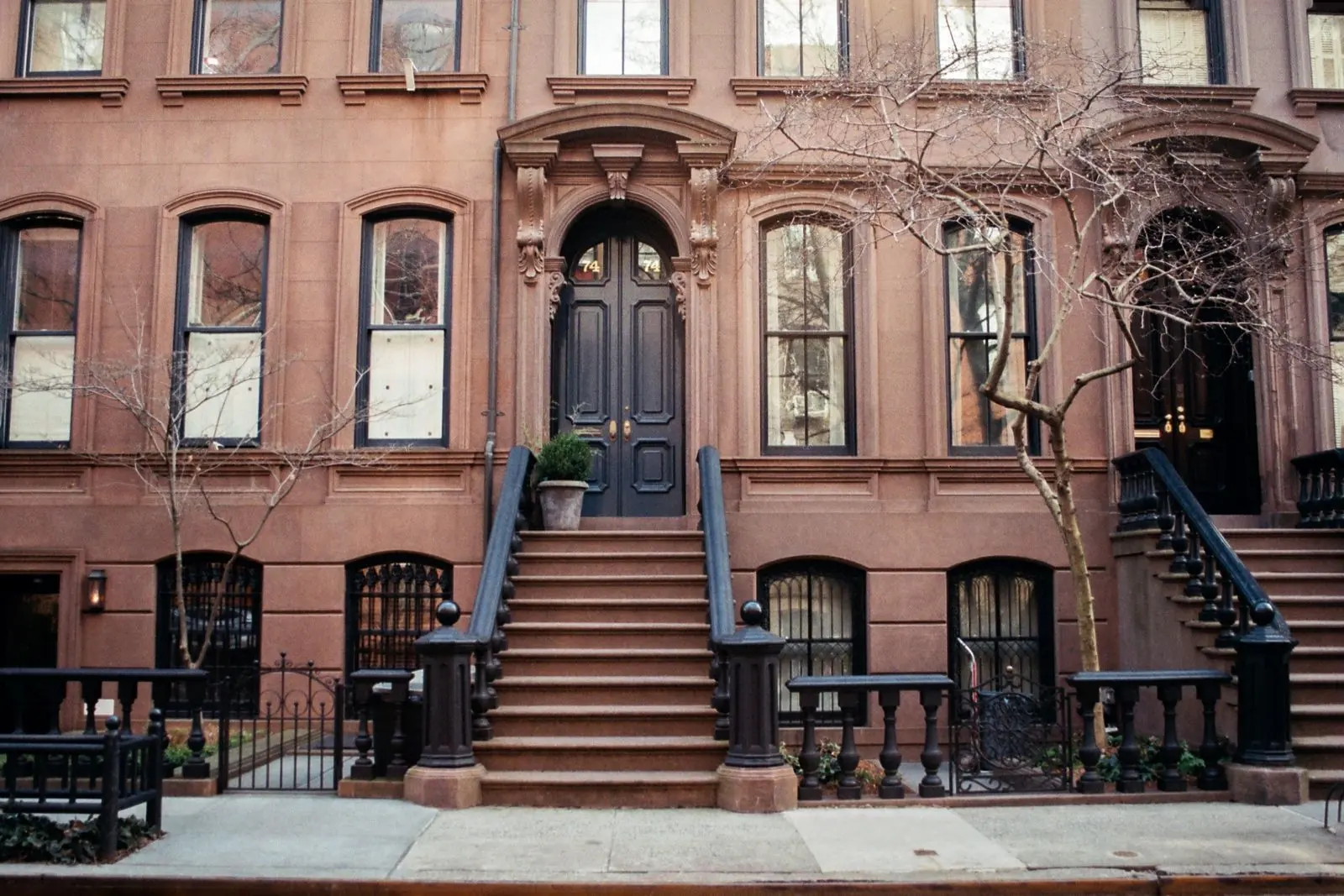
Most Brooklyn buildings put at least two locked doors between the sidewalk and your apartment. In a brownstone, the stoop leads to an outer door, a small vestibule, then an inner door into the hall. In a walk-up, there is a street door with a buzzer panel, then your apartment door. The outer door, the inner door or both may lock, and the street-door key is often a different key from yours.
The street or vestibule door belongs to the building. The landlord, the super, the managing agent or a neighbor you know can open it. If you are shut out only here, say because you stepped out with the recycling and your apartment is still unlocked upstairs, a text to a neighbor may be all it takes. A locksmith working on that door is working on the owner's property, so the owner or manager should agree to it first.
Your apartment door is yours to open. A household member with a key can let you in. Your landlord may hold a copy: HPD says that if a tenant changes the locks, "the law requires that you provide a copy of the key(s) to the landlord." Otherwise it comes down to a locksmith, who should want evidence that you live there.
When your keys are inside, you are usually outside both doors. Solve the street door first, for free, so any paid visit covers only the door that is yours.
Why a Brooklyn lockout differs from a Manhattan doorman building
In a building with a 24-hour front desk, the person who might help is often already in the lobby. Much of Brooklyn's housing is not built that way.
Pre-war walk-ups
The city's Bushwick neighborhood plan found that "over half of the apartments in the neighborhood are in buildings with fewer than six units," and that "nearly 80% of all buildings" there were built before 1947. In buildings that small, do not count on a super down the hall. The Housing Maintenance Code rule that the person doing janitorial work must live in or near the building applies to buildings of "nine or more dwelling units," so in a smaller walk-up the landlord or a managing agent may be the only contact. Our guide to being locked out when the landlord isn't answering covers what the code requires of building staff.
Brownstones and rowhouses
The Landmarks Preservation Commission describes the Park Slope Historic District Extension as "predominately single-family row houses, flats buildings" and some industrial buildings, and writes of the "long blocks of intact brick and brownstone houses" in the Bedford-Stuyvesant/Expanded Stuyvesant Heights Historic District. When a house like this is divided into apartments, the two-door problem follows. These doors often carry older mortise locks and cylinders, and our guide to Brooklyn brownstone door locks explains that hardware.
Two-family houses with the landlord upstairs
The Crown Heights North II Historic District includes "single- and two-family row houses" alongside flats buildings and apartment houses, and the city's Bay Ridge rezoning describes midblocks of detached homes, "semi-detached one- and two-family homes" and "rows of attached limestone houses." In a two-family house, the landlord may live one floor up and hold keys to the street door and to yours. Knocking is reasonable, but treat it as a favor and do not count on an answer at 2 AM. HPD's required signage list applies the posted super sign to buildings with three or more units, so a two-family house may have no sign at all.
One situation is not a lockout at all. If your key no longer works because the lock was changed, HPD says that changing the locks on a resident's apartment "without giving the resident a key is a violation of the Unlawful Eviction Law," and that you can go to the nearest police station to report it. A locksmith is not the way to settle a dispute with a landlord who lives upstairs.
NYCHA developments
NYCHA apartments follow NYCHA's own rules and lockout process, which run through its Customer Contact Center at 718-707-7771, according to the NYCHA repairs page. Our guide to NYCHA lock rules and tenant rights covers which lock is NYCHA's, what to ask before calling a private locksmith, and the published fees.
Newer elevator buildings with fobs
Along the Williamsburg waterfront, the rezoning the City Council adopted in 2005 was planned to allow "taller buildings with a variety of heights closer to the water." Elevator buildings like these often use key fobs and a front desk. A lost or dead fob is management's job, not a locksmith's. Ask the desk about the building's lockout procedure; some buildings keep resident keys and others do not.
What HPD and the housing code say your landlord owes you
HPD's rules cover the condition of locks and doors, not letting you in tonight. They still tell you who to call and what to report later.
- A lock and a key for your apartment. The Housing Maintenance Code requires the owner to "provide a key lock in the entrance door to each dwelling unit and at least one key."
- Broken building locks get repaired. HPD's tenant guide says "the building manager, superintendent, or owner should immediately repair broken locks or intercoms," and that broken locks and intercoms "can also be reported to 311."
- Entrance doors close on their own. HPD lists building entrance doors among the doors that must be self-closing "in all multiple dwelling types," and its tenant guide says tenants "should not tamper with self-closing doors by blocking or propping doors open." Do not wedge the street door while you wait.
- Landlord first, then 311. HPD's tenant guide tells tenants to contact the landlord first and, "if they are unresponsive, contact 311 (call, online, or mobile app) to make a complaint."
- A posted contact. In buildings with three or more units, HPD requires a sign at the entrance with "the name of the janitor or housekeeper with their address, apartment number and telephone number."
A 311 complaint will not open your door. It is for the broken buzzer or the street door that never latches, filed once you are inside.
Proving you live there
A careful locksmith will not open an apartment for someone who cannot show they live there, and you should want it that way: the same caution protects your home from the next person who claims to be locked out of it. The catch is that your ID is often inside.
Before anyone travels, check what you can reach from your phone:
- A lease, renewal or rent receipt in your email or the building's tenant portal.
- A utility or internet bill at the address.
- Delivery history showing your name and apartment number.
- A neighbor, super or landlord willing to confirm who you are.
Mention any gap, such as an ID with a previous address, before the visit, and never edit a document to hide a mismatch. Our guide to locksmith ID checks when your wallet is locked inside goes further.
Hold others to the same standard. Do not buzz in someone you do not recognize because they say they live upstairs; send them to the super or the landlord. And do not ask a locksmith to open an apartment that is not yours, even a partner's, while the person who lives there cannot be reached.
Some lockouts are emergencies. If a child or a vulnerable person is alone inside, something is on the stove, or anyone is in danger, call 911 first. Do not wait for a landlord or a locksmith.
What an apartment lockout in Brooklyn typically costs
Our 2026 NYC locksmith cost guide puts typical market ranges for a residential lockout on a standard lock at $80 to $220 during standard hours, roughly 8 AM to 8 PM on weekdays, and $130 to $300 outside them. For a high-security lock, the ranges are $150 to $400 and $200 to $500. These are market ranges to check a quote against, not anyone's fixed price.
Three things move a Brooklyn job within those ranges:
- The lock. An older mortise lock on a brownstone door, a standard cylinder on a walk-up door and a high-security cylinder each call for different tools and time.
- How many locks are engaged. A door with a deadbolt and a second lock, both thrown, is more work than a door with one.
- How many doors are involved. If a neighbor or the building gets you through the street door, the visit covers one door instead of two.
For a step-by-step on the first few minutes, including how to vet whoever you call, see locked out of your apartment at 2 AM.
FAQ
I'm locked out of my apartment in Brooklyn. Who do I call first?
Anyone who holds a key: a roommate, partner, relative or trusted neighbor, then the super or landlord, using the number on the entrance sign if there is one. If nobody can help and nobody is in danger, a locksmith is the next step.
Will my landlord let me in if I'm locked out?
Your landlord may hold a copy of your key, and in a two-family house may live upstairs, but count on it as a favor rather than a service. If your key stopped working because the lock was changed, that is a different matter: HPD says changing a resident's locks without giving them a key violates the Unlawful Eviction Law, and you can report it at the nearest police station.
Can a locksmith open my building's front door?
The street and vestibule doors belong to the building, so the owner or manager should agree before anyone works on them. If the street-door lock is broken rather than simply locked, report it to the landlord and, if nothing happens, to 311.
How much is an apartment lockout in Brooklyn?
Typical market ranges for a standard-lock residential lockout are $80 to $220 in standard hours and $130 to $300 outside them, with higher ranges for high-security locks.
Where LockAtlas fits
If the free options run out, use LockAtlas's emergency locksmith service in Brooklyn to describe the door and the problem, check availability and review the estimate in the app before confirming. The technician is verified before they can take the job, and if the technician finds something different, the revised price comes back to you for approval before that work starts.
Need a Locksmith in NYC?
Use the LockAtlas app to describe the work, review the price breakdown and check your booking details.
Download the App