Brownstone door locks: the security gaps every Brooklyn brownstone has

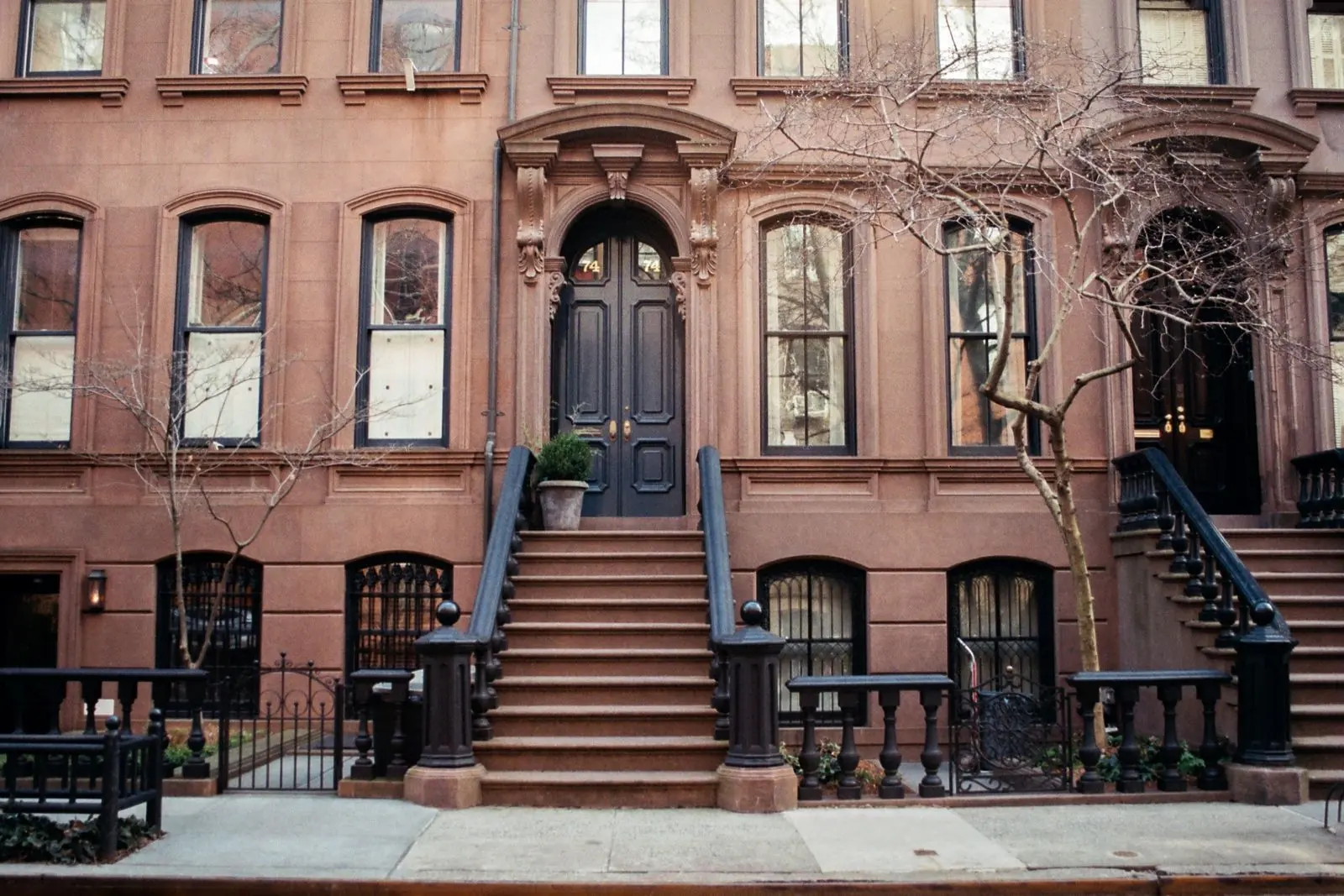
Brooklyn brownstones, the four-story row houses that line streets in Park Slope, Bedford-Stuyvesant, Brooklyn Heights, Crown Heights, and Fort Greene, have a specific security profile that does not match either modern apartment buildings or single-family suburban homes. The doors are old. The hardware is often original. The threat model is street-level urban while the construction is 19th-century residential.
Most brownstone owners and tenants underestimate the security gaps in their door hardware because the doors look solid and the hardware looks substantial. The visible substance is real. The actual security level often is not.
This piece walks through the specific security gaps common to Brooklyn brownstone doors, what causes each one, what a security upgrade should actually involve, and how to handle the historic-preservation considerations that affect some brownstone buildings.
What a Brooklyn brownstone door usually has
Most original brownstone doors share five hardware features.
A large mortise lock. The lock body is housed in the door edge, usually 5-6 inches tall. The mortise format is structurally heavy but often original to the door, meaning the internal mechanism is 100+ years old.
A vintage cylinder, often unbranded. The exterior keyway cylinder is frequently the original manufacturer (Russwin, Sargent, Yale, Corbin) and is no longer in production. The pin tumbler design is consumer-grade by modern standards.
A decorative escutcheon plate. A large ornamental cover plate on the exterior surrounding the cylinder. The plate is part of the historic character but does nothing for security.
A heavy door, often original wood. Solid wood construction, often 1.75 to 2.25 inches thick. The door itself is structurally heavy and resists kicking.
A strike plate often original to construction. Mounted with short screws into the door jamb (not the framing studs), the original strike plate is the weakest link in the system.
Read in combination, the brownstone door is a structurally heavy door with a cylinder from the 1920s mounted in a thick mortise box and held closed by a strike plate that screws into wood that flexes over a century of settling.
The five specific security gaps
Gap 1: The original cylinder.
A century-old pin tumbler cylinder picks open in 2-5 minutes for a skilled picker, faster than most modern consumer-grade cylinders. The mechanism is mechanically simple by current standards and lacks security pins, anti-bump features, or pick resistance. Many can be defeated with rake-style picking tools in seconds.
The fix: upgrade the cylinder to a modern high-security format. Most original brownstone mortise boxes accept replacement cylinders with adapter kits. Cost: $150 to $400 per cylinder installed. Full comparison in Medeco vs Mul-T-Lock vs Schlage.
Gap 2: The original strike plate.
The strike plate on most brownstones is mounted with 0.5-inch to 0.75-inch screws into the door jamb. A determined kick will rip the strike plate out of the jamb entirely, regardless of how heavy the lock and door are.
The fix: replace with a 3-inch heavy-duty strike plate. The screws must extend through the jamb into the framing studs behind. Cost: $30 to $80 in parts and labor. The cosmetic impact is minimal; a low-profile heavy-duty plate replaces the original. Full architecture in pick-resistant locks for ground-floor and fire-escape apartments.
Gap 3: Door alignment from settling.
A 19th-century brownstone has settled over decades. Doors that were originally hung plumb often are not anymore. The deadbolt may not extend fully into the strike plate; the latch may not engage cleanly. A door that does not lock fully closed is functionally unlocked even when the user thinks it is locked.
The fix: a locksmith aligns the door and strike plate during the lock service. If significant adjustment is needed, a carpenter may be required for the door rehang. Cost for the locksmith adjustment: included in the lock change. Cost for door rehang: $200 to $600.
Gap 4: Service entrance and basement door, often forgotten.
Most Brooklyn brownstones have a secondary entrance (service entrance, basement door, or rear yard door). These are often given less attention than the front door and frequently have weaker locks, weaker frames, and older hardware. The brownstone's overall security is the weakest entry point's security.
The fix: audit the secondary entrances and upgrade to match the front door's security level. Often this means installing a deadbolt where one does not exist, plus heavy-duty strike plate. Cost per entrance: $200 to $500 for full upgrade.
Gap 5: Garden-level and parlor-floor window access.
Brooklyn brownstones have garden-level apartments (basement or below-street) and parlor-floor units (typically the most ornate, with tall windows). Both have street-level or near-street-level windows that provide entry alternatives to the door. The door upgrade does not address window security.
The fix: window gates on all garden-level windows, with fire-escape compliant release per NYC Fire Code § 1029. Window security film on parlor-floor windows. Engaged window locks at night. Cost: $200 to $600 per window depending on security level. Full window context in moving into a NYC apartment: the 7-day lock checklist.
What a brownstone security upgrade should actually involve
Doing the upgrade correctly addresses all five gaps as one project rather than serially.
Step 1: Cylinder upgrade on every entry door. Front, service, basement. Three to four cylinders for most brownstones. Match to a single key configuration to keep keying simple. Total cost: $500 to $1,500.
Step 2: Strike plate upgrade on every entry door. Heavy-duty plates with 3-inch screws into framing studs. Total cost: $90 to $240.
Step 3: Door alignment check on every entry door. Verify full deadbolt extension and latch engagement. Adjust as needed. Total cost: included in lock work, plus carpenter cost if needed ($200 to $600).
Step 4: Window gates and security on garden and parlor floors. Per the window count and security level desired. Total cost: $400 to $2,400.
Step 5: Documentation and key control. Document all keys cut, set up trusted-spare protocol, establish rekey schedule. Total cost: minimal.
Full brownstone security upgrade at the standard tier: $1,000 to $2,500. At the high-security tier with full window upgrades: $2,500 to $5,500. For owner-occupied brownstones, this is a one-time investment that pays back over decades.
The historic preservation considerations
Some Brooklyn brownstones are in landmark districts (NYC Landmarks Preservation Commission jurisdiction) and have specific hardware preservation requirements. The relevant constraints:
Visible exterior hardware on landmark buildings may be restricted. Replacing the original escutcheon, knob, or door bell with non-period hardware may require Landmarks Preservation Commission approval.
The cylinder inside the original mortise box is usually fair game. Internal cylinder upgrades typically do not require LPC approval because the visible exterior remains unchanged. Adapter cylinders that fit modern security pins inside the original cylinder housing are the cleanest path.
Strike plate replacement is usually unrestricted. Strike plates are not visible from the exterior when the door is closed, so LPC restrictions typically do not apply.
Window gates may have specific design requirements. Some landmark districts have approved gate designs and prohibited ones. Check before installation.
For landmark-district brownstones, a DCWP-licensed locksmith with brownstone experience plus a quick check with the LPC handles most of the considerations. Full process for co-op and building approval mechanics in co-op board rules on lock changes.
What changes for rental brownstones vs owner-occupied
The security upgrade calculation is different depending on the relationship to the property.
Owner-occupied brownstone. The full upgrade is a capital improvement to the owner's property. Cost is fully borne by the owner; benefit is durable across the property's lifetime. The math favors the full upgrade.
Multiple Dwelling Law § 51-c covers a separate tenant lock on an eligible apartment entrance, apart from the owner's lock, with a limit of three inches in circumference and a duplicate key supplied on request. It excludes municipal housing authority units, hotels, motels, and school or college dormitories. It does not give blanket permission to replace or rekey the owner's lock, modify shared doors, or install any chosen device. Check the proposed work against your lease and applicable building requirements before scheduling.
Brownstone landlord renting units. The shared exterior security is the landlord's obligation. The unit doors may be tenant-upgradable. Investing in the building-wide upgrade increases the property's rentability and reduces incident risk.
The mortise lock parts problem
Many original brownstone mortise locks use parts that are no longer manufactured. When a spring breaks, a tailpiece wears out, or a cam fails, replacement requires either:
Salvage parts. Some Brooklyn salvage businesses specialize in vintage door hardware. Parts availability is unpredictable but real.
Custom fabrication. A skilled locksmith can sometimes fabricate replacement parts for $200 to $500 in custom work.
Mortise box replacement. Replace the entire mortise box with a modern equivalent that fits the existing pocket. Cost: $300 to $700 plus installation labor.
Full conversion to cylinder lock. Fill the mortise pocket and install a cylinder lock setup. Cost: $400 to $900. Sometimes the right answer when the original lock cannot be reasonably repaired. Full mortise-vs-cylinder framework in mortise vs cylinder locks.
The right answer depends on the brownstone's age, the lock's historic value, and the owner's preferences. For landmark-district brownstones, salvage parts or careful repair preserves the historic character. For non-landmark buildings, modernization is often the most practical.
What changes when the work is platform-booked
For brownstones specifically, platform-booked locksmith work has two advantages.
The platform's photo-based pricing handles mortise locks better than phone quotes. A photo of the lock, mortise box, and surrounding hardware lets the platform's pricing model identify the specific scenario and quote accurately. Phone quotes for brownstone work often need significant on-site adjustment because the lock variations are wide.
The platform's technician network can be filtered for brownstone experience. Not all NYC locksmiths have worked on pre-war mortise hardware. Platform booking routes the job to a technician with the right experience.
LockAtlas operates this way. The mechanism is described on the LockAtlas download page.
FAQ
Should I keep the original lock hardware for historic value?
For landmark-district brownstones, yes, where possible. The visible exterior hardware contributes to the building's historic character. For non-landmark brownstones, the decision is aesthetic preference vs security and convenience. Many owners keep the original exterior plates and upgrade only the internal cylinder.
How much should a full brownstone security upgrade cost?
Standard tier with cylinder upgrades, strike plates, and basic window security: $1,500 to $3,500 for a typical four-story brownstone. High-security tier with high-security locks throughout and comprehensive window security: $3,500 to $8,000. The range depends primarily on the number of entry doors and windows.
Are brownstone insurance rates different from apartment building rates?
Often yes. Brownstone insurance considers the building's age, the security architecture, and the street-level access. Documented security upgrades can affect premium calculations. Ask your carrier specifically.
What if my brownstone has a Buzzer entry system?
A buzzer entry system is a separate layer from the lock itself. The buzzer controls the building's vestibule door; the apartment door has its own lock. Both layers matter. A buzzer system with weak apartment-door locks is a partial security architecture. Address both.
Can I install a smart lock on a brownstone door?
The retrofit adapter category works on most brownstone door hardware as long as the existing deadbolt is mechanically functional. The retrofit preserves the original exterior appearance, which matters for historic character and landmark compliance. Full smart-lock framework in smart locks in NYC rentals. When you are ready to have one fitted, see smart lock installation in Brooklyn and across NYC.
Brooklyn brownstones have a specific security profile that requires specific upgrades. The visible heft of the door is real; the actual security level often depends on the cylinder, the strike plate, the alignment, and the secondary entry points. A comprehensive upgrade addresses all of these as one project. Full pricing in the 2026 NYC locksmith cost guide. Verification process in the locksmith verification checklist. Lock-type framework in mortise vs cylinder locks.
Related reading: sliding door and patio door security in NYC.
Brownstone hardware tends to be older, non-standard and worth keeping, which makes the assessment more important than the price list. Our Brooklyn locksmith service explains what to photograph so a quote accounts for the door you actually have rather than a generic one.
LockAtlas is live now on the App Store and Google Play, serving all five boroughs of NYC. Questions or partnerships: support@lockatlas.com
Customer app (book a verified NYC locksmith)
- iOS: LockAtlas on the App Store
- Android: LockAtlas on Google Play
Technician app (apply to receive jobs)

Need a Locksmith in NYC?
Use the LockAtlas app to describe the work, review the price breakdown and check your booking details.
Download the App