Medeco or Mul-T-Lock key copy in NYC: who can cut one
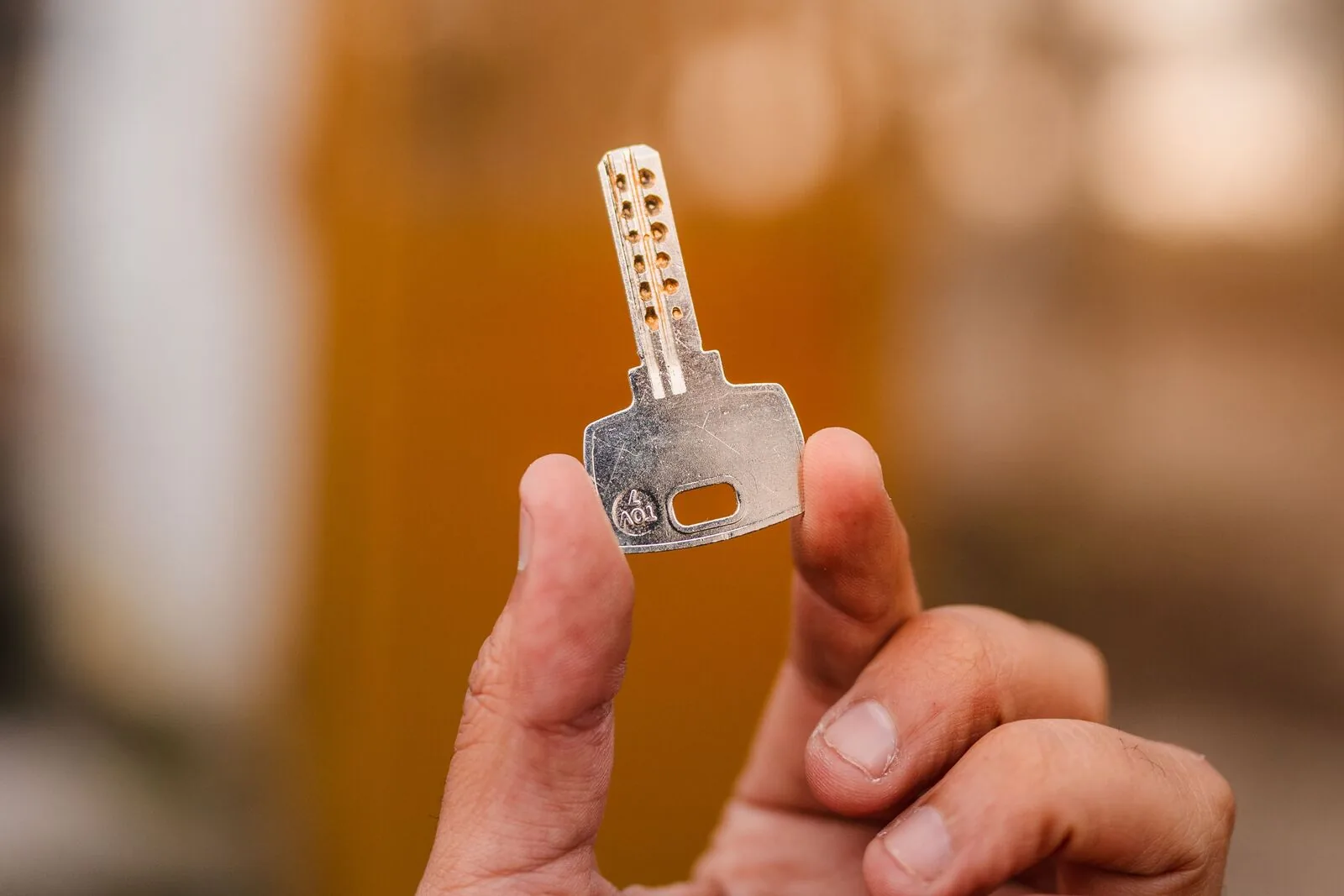
Your dog walker starts Monday, the hardware store on Lexington Avenue just handed your Medeco key back uncut, and you are starting to fear that the only way to get a spare is a new lock. The apartment is a co-op on the Upper East Side, the cylinder came with the building, and you have never seen a key card for it.
The short version: a Medeco key copy in NYC, like a Mul-T-Lock copy, is cut by a dealer the manufacturer has authorized, and on carded systems only for the person who holds the key card or whose signature is on file. If the building chose the lock, ask the managing agent who holds that card, because the request goes through whoever does. If you installed the lock yourself, you order copies with your own card. If the card is gone and nobody can show the lock is theirs, the fix is a rekey or a new cylinder.
Why a Medeco key copy in NYC starts with the card, not the key
The hardware store was not being difficult. Medeco’s own guide to duplicating its keys says they are protected by patents and design features “so that only certified locksmiths can duplicate them,” unlike keys you can take to a kiosk.
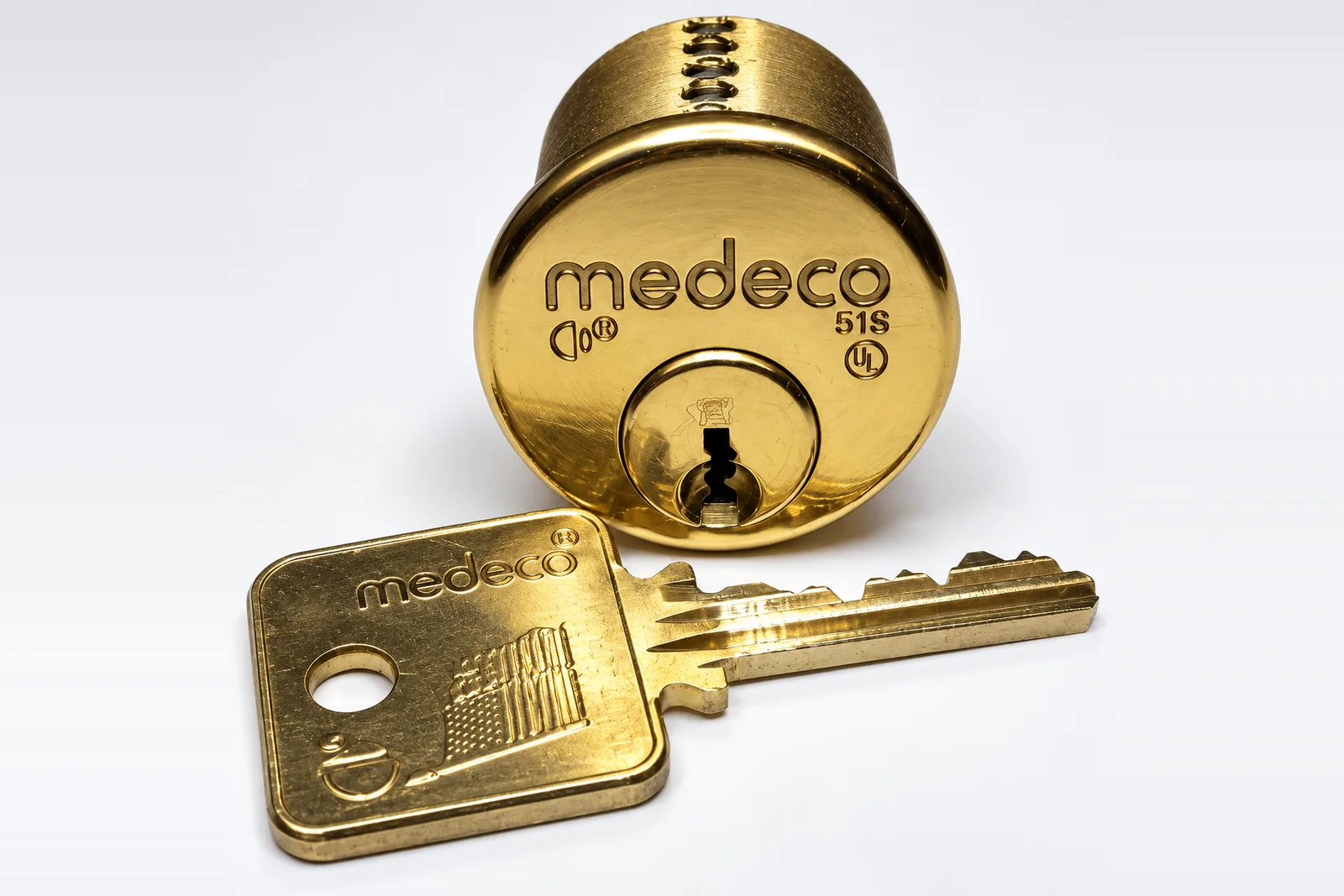
On Medeco’s carded programs there is a second gate, an authorization card, and Medeco’s glossary is plain about it: “Only the individual carrying the authorization card is authorized to request duplicate Medeco cut keys.” In its Freedom program, the card must be “matched to proper ID,” and the keys can then be cut at any participating locksmith in the U.S. or Canada. The card is something you could swipe: in Medeco’s electronic carded programs each new lock comes with an electronic card that matches the key, a participating locksmith swipes it “just like a credit card” when a key is cut, and Medeco’s online key control system records the quantity of keys cut, the date, and the name and location of the locksmith, so every copy leaves a record.
Mul-T-Lock follows the same logic. Its key and cylinder maintenance page says additional keys may be obtained only from authorized Mul-T-Lock dealers. On its MTL800 platform, the card has a magnetic strip that holds “your unique, encrypted key code,” and the certified cutting procedure “can only be implemented when the original magnetic card is presented” to an authorized dealer with the right key cutting machine.
Two things come out of that. Holding the key does not make you the person who can copy it. And an “unlawful to duplicate” stamp on an ordinary key is a different thing entirely: Medeco says those stamps “don’t hold any water.” For how restricted keyways work and how a tenant sets one up, see our guide to restricted keyways for NYC tenants. For how the brands differ, see Medeco vs Mul-T-Lock vs Schlage.
Building keyway or your own lock: who orders the copy
The card holder decides, so first work out whose system your cylinder belongs to.
The building’s lock. If the cylinder came with the apartment, as in the co-op above, the card or the signature on file may belong to the building, its managing agent or its locksmith rather than to you. Ask the managing agent three things: who holds the card for your door, what they need from you to request a key, and which dealer cuts keys for the building. If your door is part of a building master key system, expect a narrower route: Mul-T-Lock says master key system keys may be obtained only from the authorized dealer that originally installed the system.
A lock you added yourself. Under Multiple Dwelling Law § 51-c, a tenant in a multiple dwelling, a building that houses “three or more families living independently of each other,” may install a lock of their own in the apartment entrance door, “separate and apart from any lock installed and maintained by the owner” and “not more than three inches in circumference.” The section excludes housing under a municipal housing authority, such as NYCHA, along with hotels, motels and school or college dormitories. If that added lock is a Medeco or a Mul-T-Lock, the card is yours, and so is the job of ordering copies, including the one the landlord can ask for: “a duplicate key to such lock shall be supplied to the landlord or his agent upon his request.” The right is to add a lock. It is not a right to swap the owner’s cylinder for your own.
What to bring to a Medeco locksmith in NYC
When you call a Medeco locksmith in NYC, the useful question is narrower than “do you do Medeco?” It is: are you authorized for my program? Programs differ. Medeco’s Freedom keys can be cut at any participating locksmith, while Mul-T-Lock master system keys go back to the dealer that installed the system. The same checklist works for a Mul-T-Lock key copy in NYC:
- The original card. Mul-T-Lock’s MTL800 procedure calls for the original magnetic card, not a photo of it.
- Photo ID in the card holder’s name. Medeco’s Freedom program matches the card to ID before keys are cut.
- The installer’s name, if you have it. Medeco’s first step for homeowners and renters is to call the locksmith who installed the lock.
- For a building lock, the managing agent’s instructions. If the building orders keys through its own dealer, get that route in writing before you pay anyone.
Keep the card away from the keys. Mul-T-Lock tells owners to “keep the card in a safe place” and says the cuts of a key “must be treated like any other confidential information.” In practice that means no key photos in a group chat, and no card on the key ring.
On price, the dealer that cuts the key sets it, which is why this guide gives no price for a key copy in NYC. Ask for the total before anything is cut.
Mul-T-Lock key copy without the card, or a lost Medeco card
On Mul-T-Lock’s patented platforms, the card is the copy procedure. The MTL600 key card is “only readable by authorized Mul-T-Lock dealers,” and the MTL800 procedure needs the original card. If you are after a Mul-T-Lock key copy without the card, start with the dealer who installed the cylinder and ask what they need from you. If no one can help, plan on a new cylinder with its own card. A copy offered without the card sits outside the procedure Mul-T-Lock describes.
Medeco publishes a four-step sequence for homeowners and renters who do not know where to start:
- Call the locksmith who installed the lock, if you have the number.
- Look for a key code or an authorization card. Medeco notes that this information is not on the key itself.
- Photograph both sides of the key.
- Contact Medeco Customer Service with the photos, anything you know about the original retailer and the type of lock the key operates.
Medeco says its customer service keeps a register of installations, certified locksmiths and program dealers, and helps match you with a certified locksmith who can cut the key “while still maintaining secure key control for your property.” Medeco describes a verification process for when “ownership changes hands,” so expect to be asked to show the lock is yours to copy. If the cylinder belongs to the building, go through the managing agent first.
When the answer is a high-security rekey in NYC, not a copy
Sometimes the job is new keys, not another copy:
- The card is lost and neither the installer nor the manufacturer can verify you.
- You just moved in and cannot account for the keys the last owner or tenant handed out.
- Someone with a copy, such as a dog walker, a contractor or a former roommate, left without returning it.
- Your count of keys no longer matches the record.
For a restricted cylinder, that job is a rekey within the same system or a new cylinder with new keys and, in Medeco’s electronic carded programs, a new card to go with them. Keys for these systems come through authorized dealers, so put the brand, the model and any program name in the request from the start. If the cylinder is the building’s, the rekey is the building’s decision. If you are changing a cylinder anyway, ask whether your two apartment locks can use the same key. Our page on lock rekeying in NYC explains what to include so the estimate fits the cylinder you actually have.
FAQ
Can a hardware store copy a Medeco key?
Not through Medeco’s process. Medeco says its keys are protected so that only certified locksmiths can duplicate them, and on carded programs only the card holder can request a copy.
Can I get a Mul-T-Lock key copy without the card?
On Mul-T-Lock’s patented platforms, the certified procedure needs the original card at an authorized dealer. Ask the dealer who installed the cylinder; if that fails, a new cylinder with its own card is the fix.
How much is a Medeco key copy in NYC?
The authorized dealer that cuts it sets the price, so ask for the total before it is cut. If the lock belongs to the building, ask the managing agent how key requests work there first.
Do I have to give my landlord a key to a Medeco lock I installed?
If you added it under Multiple Dwelling Law § 51-c, yes, when the landlord or the landlord’s agent asks. You order that copy with your own card.
I lost my Medeco key card. Can I still get keys made?
Possibly. Medeco’s steps are to call the installer, look for a key code, photograph both sides of the key and contact Medeco Customer Service. If the lock cannot be verified as yours, rekey or replace the cylinder.
Where LockAtlas fits
LockAtlas is for the job that follows when a copy is not possible: a rekey or a new cylinder. In the app, describe the lock, add photos, and include the brand, the model and any authorization details for a restricted cylinder. You see the full price before you book: a service fee that varies by time of day and day of the week, a flat labor price for the job, parts if needed, and 8.875% NY sales tax; our pricing page walks through that breakdown. The price can change only if you approve a change in the app, for example when the technician finds something a photo did not show. After booking, a temporary hold for the quoted price is placed on your card (for a visit more than 3 days away, 3 days before); it is not a charge, and you pay only when the job is done. Locksmith licensing in NYC is individual, so you can check the technician’s name and license number with DCWP before work begins (individual licensing ends May 31, 2027, when DCWP moves to a Locksmith Business license). When you are ready, get the LockAtlas app.


Need a Locksmith in NYC?
Use the LockAtlas app to describe the work, review the price breakdown and check your booking details.
Download the App