Padlocks for NYC: storage units, gates, basements, sheds

A padlock is the most under-rated security purchase most NYC residents make. A $5 padlock from a hardware store will protect $5,000 of stored property for years until the day a determined attacker spends 30 seconds defeating it. A $40 padlock that resists most common attacks will protect the same property indefinitely. The cost difference is trivial; the security difference is significant.
This piece walks through what makes a padlock secure (or not), which categories of NYC residential use need which padlock grade, and the specific products that earn their price.
What gets attacked in NYC residential storage
Three contexts where padlocks matter for NYC residents.
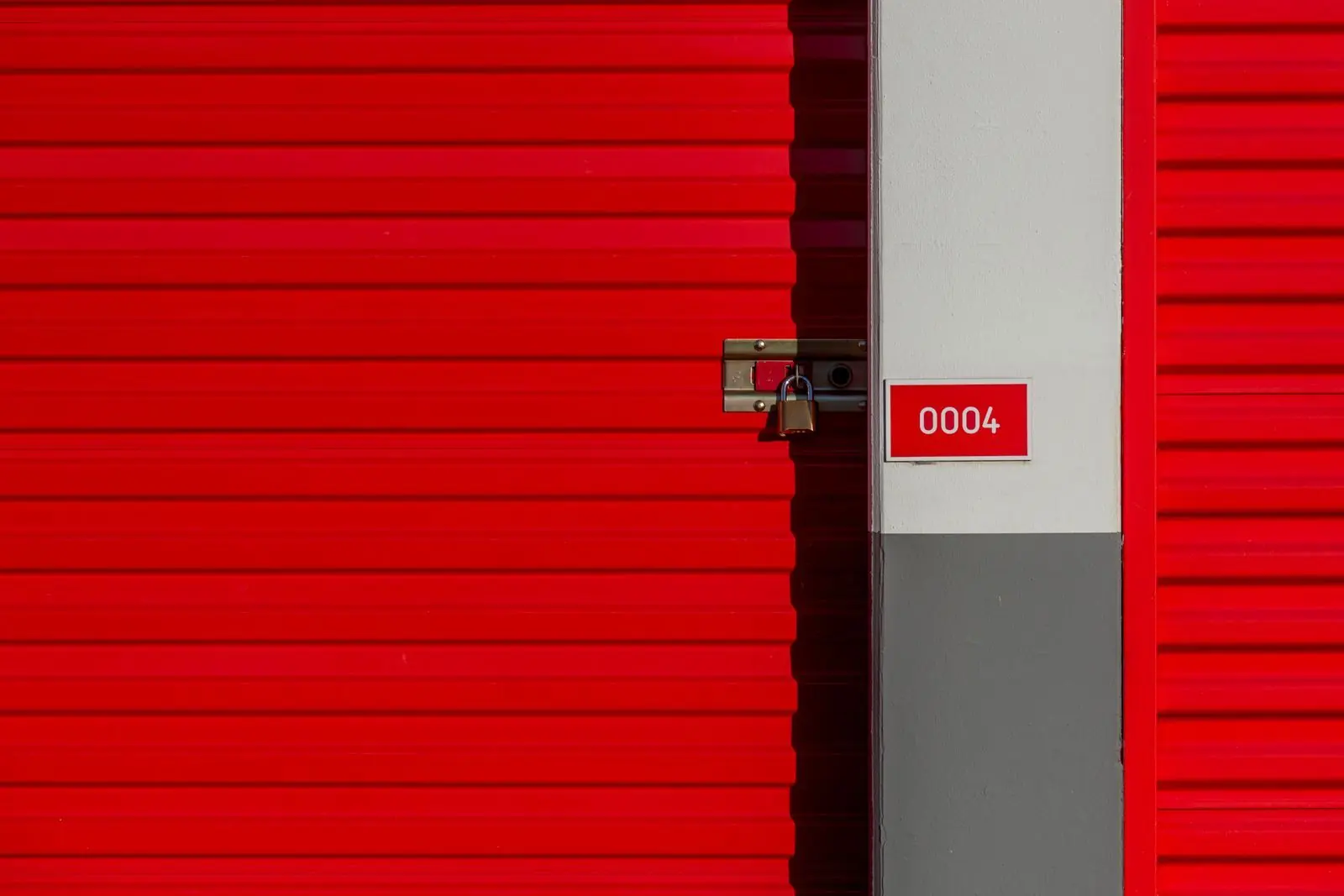
Apartment storage units. Most NYC apartment buildings include a storage unit in the basement. Theft from these units is common and underreported. The padlock provided by the building (if any) is usually the cheapest option available; tenants typically install their own.
Building common-area gates. Gates to back yards, side passages, basements, and roof access. Some are maintained by the building; some are tenant-installed for additional access control.
Outdoor sheds and bike storage. Brownstone owners and tenants with yard access often have outdoor sheds. NYC bike theft is one of the most documented residential property crimes.
Each context has different threat models and different appropriate padlocks.
What padlock attack methods actually work
Five attack methods on padlocks, in order of frequency in NYC residential theft:
Bolt cutters. A pair of 36-inch bolt cutters can defeat most consumer-grade padlocks in 5 to 30 seconds. The shackle (the U-shaped metal piece) is the typical target. Padlocks with hardened steel shackles (specifically rated against bolt cutters) resist this attack significantly.
Shimming. A thin piece of metal inserted between the shackle and the lock body can release the locking mechanism on cheap padlocks. Modern padlocks with proper double-ball-bearing shackles are immune.
Pick attack. A skilled picker can defeat most consumer-grade padlocks in 1 to 5 minutes. Security pins (covered in lock bumping: how it works, which NYC locks resist it) significantly extend picking time.
Crowbar / prying attack. The padlock body is pried away from the gate or fixture. Defeats poorly-mounted locks regardless of lock quality. The mount, not the lock, is the failure point.
Cylinder pull / drilling. The lock cylinder is physically pulled out of the body or drilled. High-security padlocks resist this with hardened-steel cylinder housings.
A padlock's security rating reflects resistance to all five. Standard security ratings include CEN (European), Sold Secure (UK), and the informal but useful "boltcutter test" ratings.
The three categories of NYC padlock needs
Low-security context (no specific threat, mostly compliance/deterrent):
- Indoor closet lock, internal building gate, low-value storage
- $5 to $15 padlock is fine. Master Lock 911 or comparable.
Medium-security context (moderate value at risk):
- Apartment storage unit, building common-area gate, bike rack
- $20 to $50 padlock with hardened-steel shackle. Master Lock 1500iD, Squire SS50, or comparable.
High-security context (significant value, specific threat):
- High-value bike, outdoor shed with valuable contents, business storage
- $50 to $150 padlock with full security certifications. Abloy PL340, Squire SS65, ASSA M810, or comparable. Sold Secure Gold or Diamond rating.
For most NYC residents, the medium-security category covers most needs. The high-security category is justified for specific high-value items.
Specific products and what they actually buy you
Master Lock 1500iD / 1500D ($15-$25). Combination padlock with hardened-steel shackle. Resists bolt cutters significantly better than basic Master Lock models. Reasonable for indoor storage units, low-value gates. Not enough for high-risk outdoor use.
Squire SS50 ($35-$60). UK-made brass body with hardened-steel shackle. Sold Secure Silver rated. Good for medium-risk applications. The brass body resists weather better than zinc.
Abus 24/60 ($35-$60). German engineering, brass body, anti-pick mechanism. Comparable to Squire SS50. Wider availability in NYC than Squire.
Squire SS65 ($75-$120). Same brass-body construction as SS50 but larger, with more drilling and prying resistance. Sold Secure Gold rated. Good for high-value bike or shed.
Abloy PL340 ($120-$180). Top-tier residential padlock. Disc-detainer mechanism (bump-immune by mechanism, see lock bumping explained). Full hardened-steel construction. Justifiable for high-value items.
ASSA M810 ($110-$160). ASSA Abloy heavy-duty padlock with restricted keyway option. Comparable security to Abloy PL340 with slightly different attack-resistance profile.
For NYC bike security specifically, U-locks (Kryptonite Fahgettaboudit, Abus Granit) rather than padlocks are typically the right choice. U-locks are not covered in this piece; they're a separate category.
What to avoid
Three categories of padlocks to avoid for any meaningful security application.
Sub-$10 hardware-store padlocks with smooth steel shackles. Defeats in 5-15 seconds with basic bolt cutters. The lock body is also often made of zinc which can be smashed with a hammer.
Combination padlocks without hardened shackles. Cheap combo locks have well-documented decoding methods (Master Lock 3-digit and 4-digit combos can sometimes be decoded by hand in 60 seconds or less). Use only for very low-stakes applications.
Padlocks with branded "security" claims but no independent certification. Marketing claims like "tamper-proof" or "burglar-resistant" without CEN, Sold Secure, or independent test data are usually unsubstantiated.
Branding alone is not security. The certifications matter.
NYC-specific scenarios
Apartment building storage unit. Verify whether the building has rules about padlock type. Some buildings provide their own locks; others require tenants to install. A medium-security padlock ($20-50) is the typical right choice. Take photos of the unit's contents periodically for any insurance claim. Verify with your renter's insurance whether storage-unit contents are covered.
Bike stored in a shared bike room. A combination of a U-lock (the primary device) and a secondary cable lock or padlock is recommended. NYC bike theft is documented and the typical bike thief uses portable angle grinders or bolt cutters; layered security is more effective than a single high-security lock.
Roof access gate. Building maintains the lock typically. Tenant-installed locks on building-maintained gates can create safety issues (building staff cannot access for emergencies). Coordinate with the building before adding any locks.
Brownstone outdoor shed. Medium-to-high-security padlock paired with a reinforced hasp (the metal flange the lock attaches to). A great padlock on a flimsy hasp is not secure. Cost: $40-150 for the padlock, $20-80 for a good hasp.
Outdoor gates in private yards or driveways. Medium-security padlock paired with strong gate hardware. Check building rules for visible modifications to gates.
The hasp problem
A padlock is only as strong as what it attaches to. Most residential hasps in NYC are flimsy. A bolt-cutter attack on the padlock body might fail; the same attacker can usually pry the hasp off the gate or door in seconds.
Three hasp considerations:
Hardened steel construction. Look for "case-hardened" or "tempered steel" labeling. Cheap hasps are mild steel that pries easily.
Concealed screws. Hasps installed with the screws visible can be unscrewed in 30 seconds. Hasps where the screws are concealed when the lock is engaged are significantly more secure.
Strong attachment. The hasp must attach through the door or gate into solid material behind it. A hasp attached only to surface wood is the weakest part of the system. Use longer screws or, ideally, through-bolts.
A good hasp ($20-80) paired with a medium-security padlock is more secure than an excellent padlock on a poor hasp.
When to involve a DCWP-licensed locksmith
For padlock-related work, three scenarios benefit from professional installation:
Hasp installation on metal gates. Drilling through metal and installing properly-secured fasteners is harder than wood. A locksmith with metal-working capability handles this cleanly.
Lost padlock keys / lost combinations. A locksmith can usually open the padlock without damage, or provide a precise estimate for replacement.
Multi-location key control (master key for multiple padlocks). Setting up a system where one master key opens multiple padlocks but each individual padlock has its own user key requires a locksmith with the right key blanks.
For most padlock purchases and installations, professional locksmith services are not needed.
FAQ
Do I need a padlock for my apartment door?
No. Apartment doors use deadbolts and cylinder locks, not padlocks. Padlocks are for situations where the lock is on a removable shackle or chain, typically external storage or gates. See the 2026 NYC locksmith cost guide for apartment door lock pricing.
Can a locksmith open my padlock if I lose the keys?
Yes, for most consumer padlocks. The cost is typically $30-80 for the service call plus minor labor. For high-security padlocks with restricted keyways, the path may require contacting the manufacturer for a replacement key, which can take days.
Should I use the same brand padlock as my front door lock?
There's no specific requirement for this. The padlock is independent from the front door lock. The benefit of using the same brand is potentially having keys keyed alike, which simplifies key management. Discuss with a locksmith if this is important to you.
Are smart padlocks any good?
Some are decent (Master Lock's Bluetooth padlocks, August Smart Locks adapted for padlock use). Most consumer smart padlocks are mid-tier security with electronic convenience added on top. For high-security applications, traditional padlocks are typically the better choice.
How do I know if my padlock has been tampered with?
Visible damage to the body, shackle, or keyway. Difficulty turning the key or unlocking the combination. Marks from prying tools on the body or hasp. Periodic inspection of high-value storage is good practice. Document any suspected tampering for insurance purposes.
The padlock choice is a small dollar decision with significant security implications for specific scenarios. The right padlock for your specific NYC situation is usually $20-60 and protects much more than it costs. Full security architecture context: moving into a NYC apartment: the 7-day lock checklist. Pricing for any lock-related work: the 2026 NYC locksmith cost guide.
LockAtlas is live now on the App Store and Google Play, serving all five boroughs of NYC. Questions or partnerships: support@lockatlas.com
Customer app (book a verified NYC locksmith)
- iOS: LockAtlas on the App Store
- Android: LockAtlas on Google Play
Technician app (apply to receive jobs)
Need a Locksmith in NYC?
Use the LockAtlas app to describe the work, review the price breakdown and check your booking details.
Download the App