Rekey Locks After Buying a House, Condo or Co-op in NYC
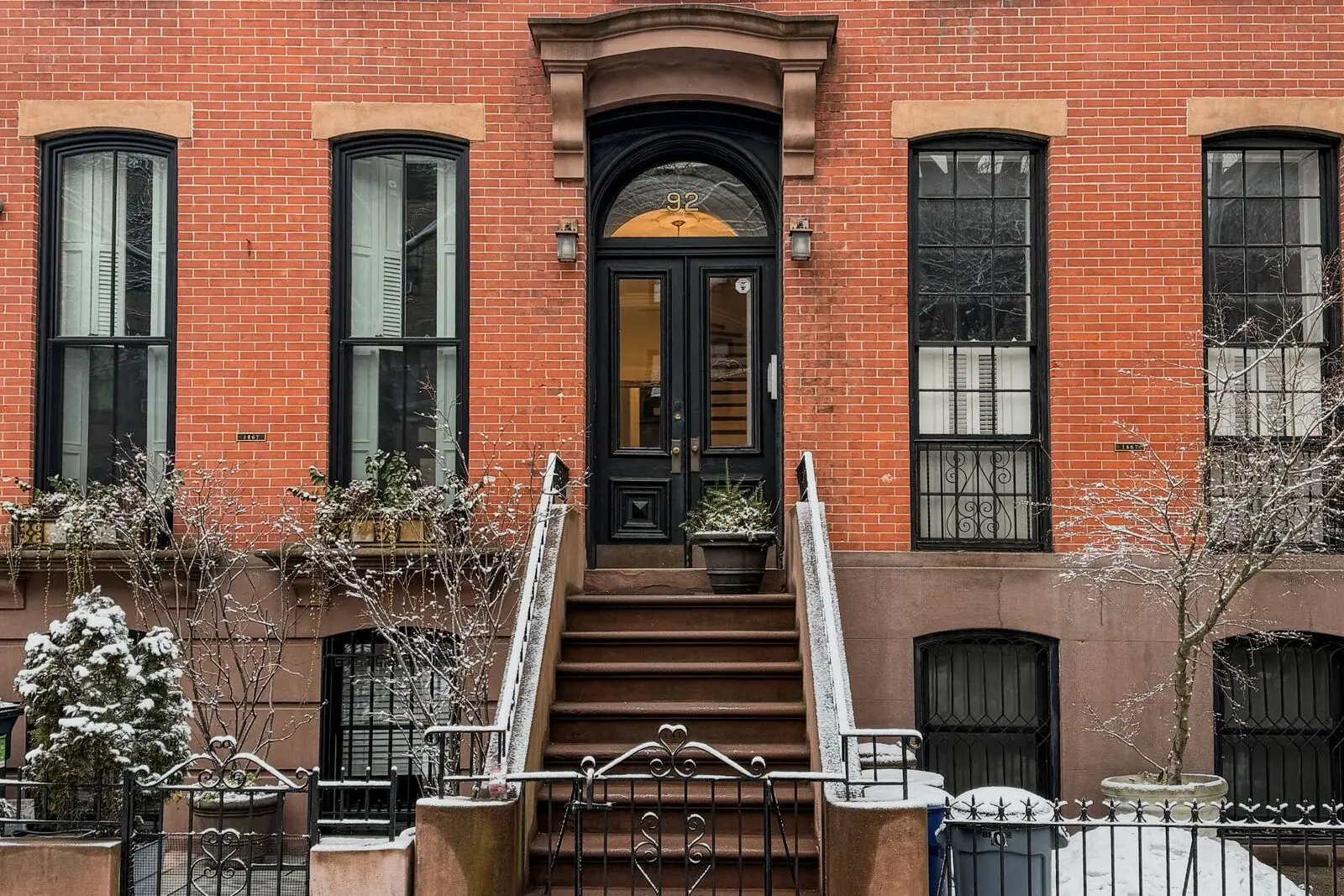
After buying a home in NYC, rekey every exterior lock that belongs to you before the first night: in a house that is every door and gate to the outside, and in a condo or co-op it is usually your own unit door, once management has answered your questions. The lobby door, the other shared doors and the mailbox bank belong to the building, so you ask before anyone touches those cylinders.
This guide is for owners. If you are renting, the renter's move-in lock checklist covers your side of the door, including what to clear with the landlord.
Why a home you just bought still has other people's keys
At closing, the seller hands over the keys they have. Nobody can hand over the keys they forgot about.
Over the years a house or an apartment collects keyholders: the previous owners and their grown children, a cleaner, a dog walker, a neighbor who watered the plants, the contractors who redid the kitchen and an agent who ran the open houses. Some of those keys came back. Some are sitting in a drawer in another borough. You have no way to check, and often the seller cannot either.
Rekeying settles the question without needing the list. The technician changes the pins inside each cylinder so it takes a new key, and every old key, wherever it is, stops working. The hardware stays on the door.
A house: every door to the outside is yours
In a one-, two- or three-family house, a brownstone or a rowhouse, you own every exterior lock, so every one goes on the list. Walk around the outside of the building and count, because the front door is rarely the only way in.
- The front door. Often two cylinders: a knob or mortise lock and a deadbolt. Count each one.
- The vestibule door, if the inner door also locks with a key.
- The basement or garden-level door, including the one under the stoop on a brownstone.
- Side and back doors, and any door to the yard.
- The garage: the side door, any keyed handle on the overhead door, and the door from the garage into the house.
- Areaway and yard gates. These often carry a padlock or a gate lock on a key of their own.
Then compare what you were handed with what you found. The basement key on a hook by the boiler, the gate padlock key in a kitchen drawer and the spare a neighbor kept are the ones that go missing. If a lock has no key at all, say so when you book, because the technician will need to plan for opening or replacing it.
Cylinders are not the only way in. Garage remotes and keypads, smart lock codes and app accounts, and alarm codes all come with the house. Reset them the same day, and remove the previous owner's accounts from any smart lock.
If anyone still lives there, the line is different. A seller staying on after closing under an agreement, or a tenant in the rental unit of a two- or three-family house, is an occupant, not a stranger. NYC HPD explains that changing the locks on a resident's apartment without giving the resident a key violates the Unlawful Eviction Law, and that the protection covers tenants with a lease and any occupant who has lawfully lived there more than thirty days, with or without one. So rekey a shared front door only when each tenant gets a working new key the same day, and leave any door a seller still uses until they have moved out. A dispute about someone leaving belongs with your attorney and the courts, not a locksmith.
A condo or co-op: your door, the building's doors, and the mailbox
In an apartment building, ownership splits at your threshold, and what you can change depends on whether you bought a condo or co-op shares.
Condo
A condo owner owns the unit itself. Under New York's Condominium Act, unless the building's declaration says otherwise, the common elements include the halls, lobbies, stairways and the "entrances and exits of the building," and the building's by-laws set the board of managers' powers and whether it uses a managing agent. The street door, the side and service doors, the roof door and the lobby mailbox bank are not yours to rekey. Changes to them go through the board or its managing agent.
Your unit door is the lock to focus on, but ask management before you book. Three questions cover most buildings: is the door on a master-key or restricted key system, does the building need a copy of the new key, and does the work need any approval. A short email now avoids rekeying a cylinder you are later asked to put back.
Co-op
A co-op works differently. You own shares in the corporation that owns the building, and your apartment comes with a proprietary lease. The New York Attorney General's guide to co-op boards puts it plainly: owners of co-op apartments "are both shareholders in and tenants of the same corporation," and the board must follow the co-op's by-laws, proprietary lease, certificate of incorporation and house rules.
So even the lock on your own apartment door sits inside rules the board administers. If the building runs a master-key or restricted system, changing your cylinder on your own can cut off the building's emergency access. Get the current rules from the managing agent and any approval in writing before booking. The questions worth asking are in our post on co-op board rules for lock changes.
If your door uses a restricted keyway, new keys and rekeying generally go through an authorized dealer, so ask the seller for any key card or paperwork that came with the lock. How those systems work is covered in restricted keyways and key control.
The mailbox
The mailbox lock is not a door lock. It is a small cam lock, and the usual fix is a new cam lock rather than a rekey alongside the doors. In a condo or co-op your box sits in a shared bank, so ask management how its lock gets changed and who pays. In a house, a locking box is just another item on your list. Who is responsible under postal rules is explained in our mailbox lock replacement guide.
Rekey or replace, and why the cylinder count sets the price
For most new owners, rekeying is enough. The goal is to retire old keys, and if a cylinder turns smoothly, rekeying does that without new hardware. Replacement makes sense when a lock is worn, sticky or damaged, when you want a high-security upgrade, or when a restricted cylinder came without its paperwork. The trade-offs are laid out in rekey vs replace.
New owners also tend to want one key for the whole house. That works when the cylinders take the same key blank. A house that has collected a Schlage deadbolt, a Kwikset knob and a vintage mortise cylinder over the decades may need one or two cylinders replaced before everything can share a key. Ask which doors can be keyed alike as they stand before deciding what to replace.
The price follows cylinders, not doors. Our rekey cost breakdown splits a typical NYC rekey into a service call of $40 to $80, charged once per visit, plus $25 to $50 per cylinder and $5 to $15 for a pair of keys. Its four-cylinder house example comes to $150 to $310. Those are typical market ranges, not a quote. A front door with a knob and a deadbolt is two cylinders, and a basement door, back door or garage door usually adds one each. Because the service call is paid once per visit, doing every door together costs less than doing the front door now and the rest later.
Move-in day, in order
- Before closing, ask for everything. Through your agent or attorney, ask the seller for every key, gate key, garage remote, keypad and alarm code, and any key card for a restricted lock, plus a list of who else held keys. Do not book any lock work before closing. Until the home is yours, the doors are not.
- Walk the property and count. List every door and gate that locks, count the cylinders, and photograph the face of each lock so the brand shows. If you find a door forced or someone inside who should not be there, step back outside and call 911.
- Clear the building's part first. In a condo or co-op, email management about your unit door and the mailbox, and wait for the answer before booking.
- Book one visit for every cylinder. Describe each door and lock, say which ones you want on one key, and mention any lock you have no key for. Use our lock rekeying service in NYC to describe all of them in one request and review the estimate before confirming. Keep your ID and closing paperwork at hand, since a careful technician will ask to see something connecting you to the address.
- Reset what is not a cylinder. Garage remotes and keypads, smart lock codes and accounts, alarm codes.
- Cut keys deliberately. One per person who lives there and one spare whose location you know. Label them, write down who holds each, and give a cleaner or contractor a key only when they actually need one.
- Test before the technician leaves. Try every new key in every lock it should open, and confirm an old key no longer turns.
FAQ
The seller says I have every key. Do I still need to rekey?
Yes. The seller can only vouch for the keys they know about. Copies made years ago for a cleaner, a contractor or a relative are exactly the ones nobody remembers, and rekeying retires them whether anyone remembers them or not.
I bought a two-family and the tenant upstairs uses the front door. Can I rekey it?
Plan it so the tenant is never without a working key: tell them when the work is happening, have their new key cut in the same visit, and hand it over before the technician leaves. That is the line HPD draws. Treat the tenant's own apartment door the same way, and talk to them before anything changes.
We are renovating before we move in. Should we wait to rekey?
Consider rekeying twice: once when you get the keys, so the old keyholders are out, and again when the crews finish, so the contractors' copies stop working.
Can I rekey the lobby door in my condo if I am worried about old keys?
Not on your own. Unless the declaration says otherwise, the building's entrances are common elements, so raise it with the board or the managing agent. Whether the shared doors get rekeyed, and how new keys reach every owner, is their decision.
Where LockAtlas fits
In the LockAtlas app you describe the doors and the locks, check availability and review the estimate before confirming. The technician is verified before they can take the job, and if the technician finds something different, such as a cylinder that needs replacing, the revised price comes back to you for approval before that work starts.

Need a Locksmith in NYC?
Use the LockAtlas app to describe the work, review the price breakdown and check your booking details.
Download the App