Frozen lock in NYC winter: how to thaw and prevent

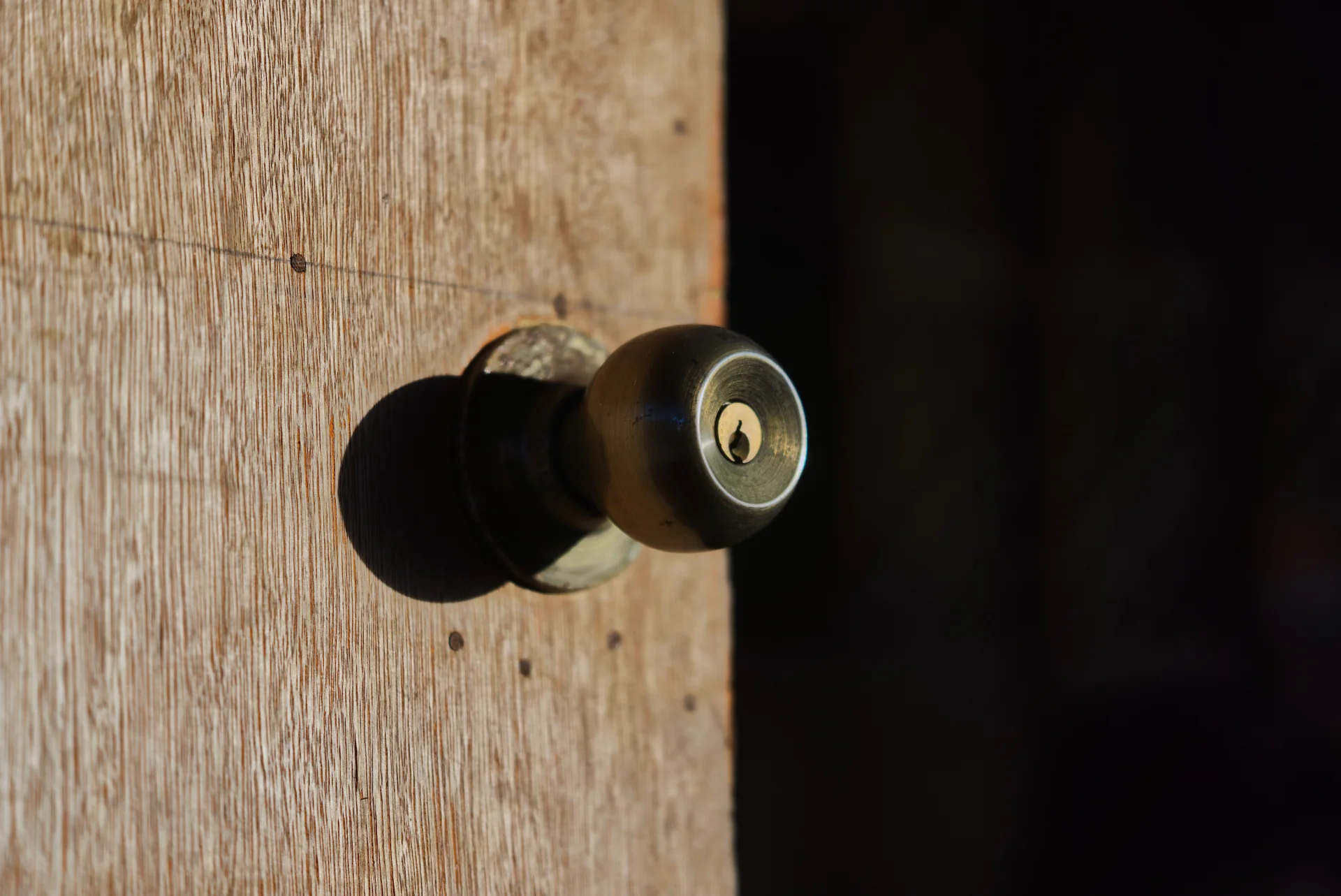
NYC winters routinely produce sub-freezing temperatures, especially in January and February. A locked exterior door, garage door, mailbox, or storage gate exposed to those temperatures can develop ice inside the cylinder. Inserting the key with ice in the mechanism either fails (the pins can't move) or breaks the key. Standard residential lockouts in winter often involve frozen locks rather than mechanical failures.
This piece explains how locks actually freeze, the right way to thaw them without damage, and the prevention practices that avoid the situation entirely.
Why locks freeze
A lock cylinder has small mechanical clearances between pins, springs, and the cylinder body. These clearances are designed for smooth operation at room temperature. Moisture in the air gets into these clearances through three primary paths:
Humidity condensation. Warm interior air meeting cold lock metal causes water vapor to condense. The water settles in the cylinder.
Rain or snow infiltration. Wind-driven precipitation can enter the keyway. Snow that builds up around the lock and melts during a brief warming creates water.
Door seal moisture. Imperfect door seals allow exterior moisture into the interior of the door, where the cylinder is housed.
Once water is in the cylinder, freezing temperatures convert it to ice. The ice locks the pins and tumblers in place. Key insertion meets resistance; turning fails or the key snaps.
The mechanism is the same on apartment doors, mailbox locks, and outdoor gates. The frequency varies by exposure: outdoor locks freeze more often than interior locks.
What to do if your lock is frozen (right now)
Five steps to thaw a frozen lock without damaging it.
Step 1: Confirm it's actually frozen. Try the key gently. If the key won't insert or won't turn, the lock might be frozen or it might have a different issue (broken pin, debris, mechanical failure). For frozen locks, the key typically inserts partially but won't turn fully.
Step 2: Warm the key, not the lock. A standard technique: hold the key in your hand for 30 seconds to warm it. Or run hot water over the metal portion. Insert the warm key into the lock and leave it for a minute. The conducted heat thaws the immediate ice around the keyway.
Step 3: For stubborn freezes, use de-icer. Lock de-icer (the small aerosol cans sold in hardware stores) contains alcohol that lowers the freezing point and displaces water. Apply through the keyway opening per the product instructions. Wait the recommended time (usually 30-60 seconds).
Step 4: Patience between attempts. Don't force the key. A bent or broken key in a frozen lock turns a $5 problem into a $200 problem (broken key extraction).
Step 5: If multiple attempts fail, call a locksmith. Persistent freezes might be combined with mechanical issues (worn springs, debris). A DCWP-licensed locksmith with experience in winter conditions can thaw and inspect the lock in one visit.
What not to do
Four wrong approaches that make things worse:
1. Don't use a torch or open flame. The heat warps the metal, damages the cylinder, and can ignite nearby material (door paint, plastic trim). The risk substantially exceeds the benefit.
2. Don't pour hot water on the lock. The water immediately refreezes once it hits the cold lock body, often worse than before. The thermal shock can also crack the cylinder.
3. Don't bang on the lock. Striking the lock can dislodge pins and create permanent mechanical damage. Even mild taps can knock the cylinder out of alignment.
4. Don't use a lighter on the key. This is the most common mistake. Heating the key with a lighter for 10 seconds and inserting it works some of the time. It also discolors the key, weakens the metal, and risks dropping the heated key.
The safer methods (warming in hand or hot water, using de-icer) take a bit longer but don't damage the lock.
Prevention: locks that don't freeze
Two prevention strategies. The first is operational, the second is structural.
Operational: keep the cylinder dry.
- Lubricate the cylinder twice yearly with graphite or PTFE-based lubricant. Lubrication displaces water and prevents accumulation.
- Apply a small amount of car wax to the lock face. Wax repels water and slows moisture infiltration.
- Use a lock cover (a small plastic or rubber cap) on exterior locks that aren't regularly used. Available at hardware stores for $2-8.
- Address any door seal problems. A door with poor sealing allows more moisture into the lock body. Replacing weather stripping is a $20-40 fix that helps.
Structural: lock types that resist freezing.
- Brass-bodied locks resist corrosion better than zinc-alloy locks. Most high-security locks (Medeco, Mul-T-Lock, Schlage Primus) have brass bodies.
- Locks with internal weather seals (some commercial padlocks, some high-security residential locks) prevent moisture infiltration entirely.
- Disc-detainer locks (Abloy) have fewer small clearances than pin-tumbler locks, so they're less freeze-prone.
For NYC apartments specifically, the most impactful prevention is the lubrication routine. A $5 graphite lubricant tube applied twice yearly to all exterior locks dramatically reduces freeze incidents.
When to call a locksmith for a frozen lock
For most NYC apartment residential locks, the DIY thaw works. Three scenarios when calling a locksmith makes more sense:
The lock is also showing mechanical issues. If you've had occasional sticking, hard turning, or unusual behavior, the freeze might be combined with mechanical wear. A locksmith inspection identifies both issues.
The lock has frozen multiple times this winter. Recurring freezes suggest a moisture infiltration problem that won't resolve with thawing alone. A locksmith can identify the source and recommend a fix.
The key has broken in the frozen lock. This is a broken key extraction scenario. Call a locksmith for the extraction; don't attempt to dig out the broken piece with the lock potentially still frozen.
You're outside in extreme cold and can't safely wait. Personal safety overrides cost considerations. The cost of a locksmith call ($80-200) is less than the cost of frostbite.
Pricing for winter lock service in NYC
Real 2026 NYC pricing:
Frozen lock thawing (no mechanical issues), standard hours: $50-120. Often less because the work is minimal once on-site.
Frozen lock thawing (overnight or weekend): $80-180. After-hours surcharge applies.
Lock inspection and lubrication service: $80-200. The locksmith visits, inspects all exterior locks, applies lubricant, identifies any developing issues.
Broken key in frozen lock: $100-300. Combination of extraction and thawing. Includes assessing whether the cylinder needs replacement.
Damaged cylinder requiring replacement from freeze damage: $150-500. Full cylinder replacement. Uncommon for properly-maintained locks; more common for older or poorly-maintained ones.
Full pricing context: the 2026 NYC locksmith cost guide.
When the freeze is actually something else
Three patterns where "frozen lock" is actually a different problem:
Broken pin or spring. A mechanical failure that prevents the key from turning. The symptoms (key doesn't turn) look like a freeze but warming doesn't help. Locksmith inspection identifies the failure.
Debris in the keyway. Lint, dust, or small objects in the cylinder. The symptoms can mimic a freeze. Cleaning resolves the issue without thawing.
Cylinder rotation issue from forced entry attempt. If someone attempted to force the lock, the cylinder can be in a partially-rotated state. The symptoms vary; the freeze symptoms can be a distraction from the security issue. After a freeze that doesn't thaw normally, inspect for signs of forced entry.
These alternative causes are less common than actual freezes but worth knowing when standard thawing methods don't work.
What changes for outdoor padlocks and gates
Outdoor padlocks (storage units, gates, sheds) freeze more often than apartment door locks because they're more exposed. Three additional considerations:
Use a lock with built-in weatherproofing. Squire, ASSA, and Abus padlocks have weather-resistant versions specifically designed for outdoor use. Cost: $20-100. See padlocks for NYC: storage units, gates, basements, sheds for the full padlock framework.
Cover the lock when not in use. A simple plastic cover or even a small plastic bag prevents most moisture infiltration.
Lubricate before each cold spell. When the weather forecast shows extended freezing temperatures, apply graphite or PTFE lubricant proactively.
For commercial gates and high-use outdoor locks, professional maintenance contracts often include winter preparation as standard.
FAQ
Can I use a hair dryer to thaw a lock?
Yes, this works. Use the warm setting (not hot) and direct the airflow at the keyway for 30-60 seconds. The mechanism is the same as warming the key but applied directly to the cylinder. Some hair dryers run too hot at maximum, so the warm setting is safer for the cylinder.
Will WD-40 thaw a frozen lock?
WD-40 has some water-displacement properties and can help marginally, but it's not designed for cold-weather lock use. Lock de-icer (specifically marketed for the purpose) is more effective. WD-40 also leaves a residue that can attract dust over time.
Should I leave the key in the lock to prevent freezing?
Generally no. Leaving the key in the lock can break it if force is applied (someone testing the door, wind pushing the door against the key). It also creates other security concerns. The better approach is to use a lock cover or regularly applied lubricant.
Do smart locks have freeze issues?
Smart locks have additional considerations. The electronic components can fail in extreme cold (battery performance drops, sometimes the lock won't accept input). Most smart locks have temperature ranges in their specifications. Plan for backup access during severe cold spells.
Is graphite or oil-based lubricant better?
For cold-weather use, graphite is the standard choice because it doesn't thicken in cold temperatures the way oil can. Some PTFE-based lubricants also perform well in cold. Avoid heavy oils on outdoor locks in winter.
Frozen locks are one of the most preventable NYC winter problems. The lubrication routine, lock covers, and choice of lock body material together address most issues. The thawing methods work without damaging the cylinder when applied properly. Full pricing context: the 2026 NYC locksmith cost guide. Lock-comparison framework: Medeco vs Mul-T-Lock vs Schlage. Padlock framework for outdoor use: padlocks for NYC: storage units, gates, basements, sheds.
LockAtlas is live now on the App Store and Google Play, serving all five boroughs of NYC. Questions or partnerships: support@lockatlas.com
Customer app (book a verified NYC locksmith)
- iOS: LockAtlas on the App Store
- Android: LockAtlas on Google Play
Technician app (apply to receive jobs)

Need a Locksmith in NYC?
Use the LockAtlas app to describe the work, review the price breakdown and check your booking details.
Download the App