What Locks Can a Locksmith Not Open?
The honest answer is that there are very few locks a competent locksmith genuinely cannot open. Given time, the right tools and permission, most things on a door in New York will come open.
The more useful answer is that "cannot" is doing a lot of work in that question. Three different things get bundled into it, and they matter to you in completely different ways:
- Locks that cannot be opened without damage — the honest limit.
- Locks a locksmith should refuse to open — the ethical limit, and the bigger category.
- Locks that are somebody else's job — the practical limit.
1. Openable, but not without damage
This is what people usually mean, and the list is short.
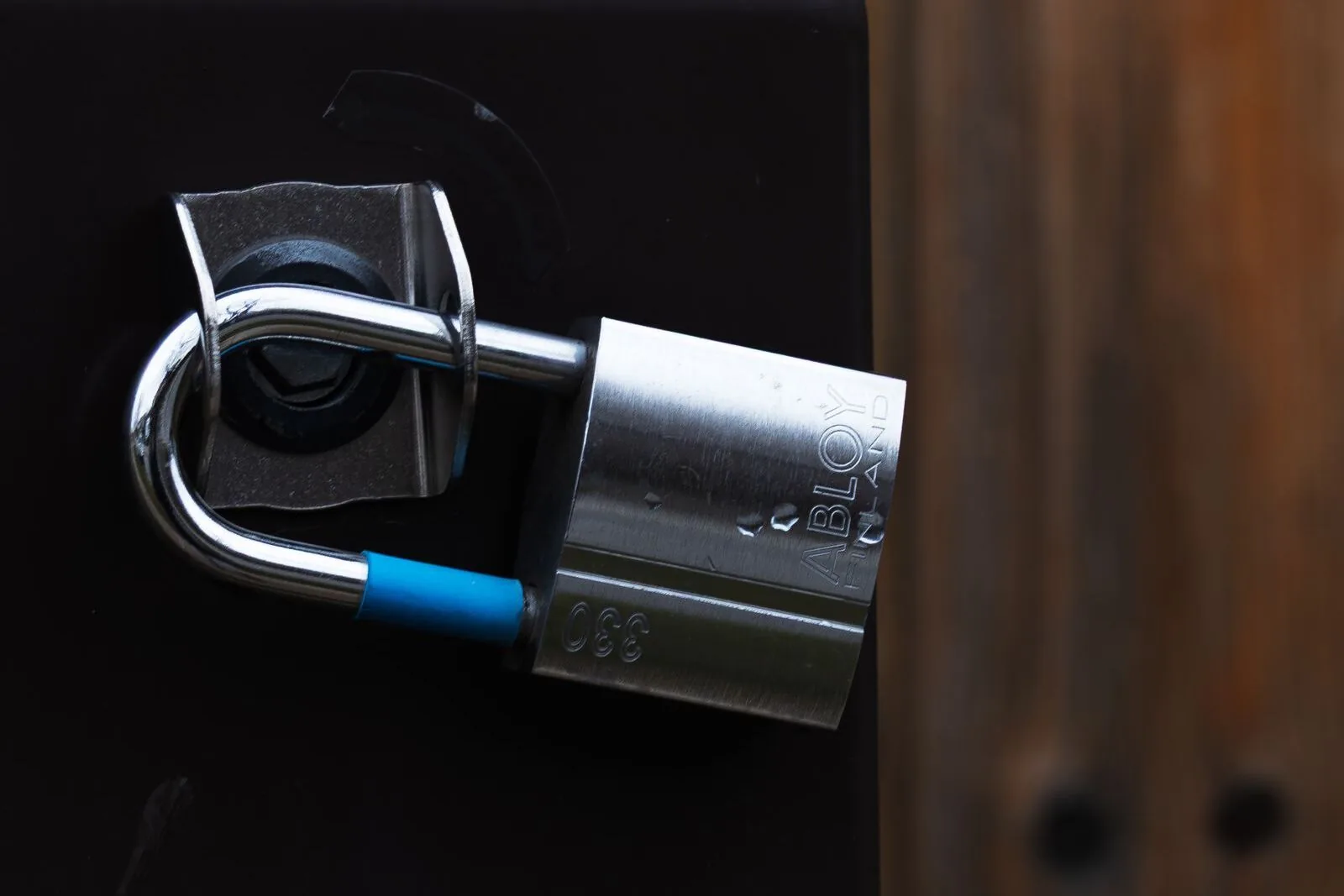
High-security cylinders. Medeco, Mul-T-Lock, Abloy and similar are built specifically to defeat the techniques that open an ordinary lock quickly. They can be picked, by some people, sometimes — but on a callout the realistic options are a very long attempt or drilling. This is the security you paid for working exactly as intended. Which cylinder you have changes the answer, and we compared the common ones in choosing between Medeco, Mul-T-Lock and Schlage.
Anything already broken. A snapped key deep in the plug, a seized cylinder, a cam that has sheared, a bolt jammed against a dropped door. There is no finesse available when the mechanism itself has failed. Broken keys specifically are sometimes recoverable and sometimes not — the removal-versus-replacement question is covered here.
Locks secured from the inside. A deadbolt thrown with no exterior cylinder, a door chain, a police bar or a bolt across the inside of a gate. No key exists for these because they were designed to be operated by someone standing on the other side of the door. Entry means the door or the frame.
Most safes, most of the time. Safes are their own trade. A locksmith may open one by manipulation, but frequently the route is drilling a specific point and repairing it afterwards, which is specialist work and priced accordingly. "Can you open a safe" almost always needs the make and model before anyone can answer. Safes are in scope for us — this is a paragraph about method and price, not a refusal. Send the make, the model and whether you have the combination, and you will get a straight answer about whether it opens without damage.
In every one of these, the answer is not "no". It is "yes, and here is what it will cost you in damage" — which is a conversation to have before work starts, not after.
2. The bigger category: locks we should refuse
This is where the real answer lives, and it is the part most articles skip.
A locksmith's limit is usually not skill. It is whether you can show the door is yours to open. Expect to be asked for identification and something tying you to the address — a lease, a bill, mail, a vehicle registration. That check is not suspicion of you; it is the only thing standing between this trade and a very efficient burglary service. A technician who waves it away for you would wave it away for the next person, at your door.
So the list of locks a locksmith should decline:
- A home you cannot show is yours. Including a property you own but someone else lawfully occupies.
- An occupied apartment, at a landlord's request, without a court warrant. Changing those locks is unlawful eviction in New York City, and we set out why in what the law says when a landlord changes the locks.
- A vehicle that is not yours, or that you cannot show is yours.
- A safe, cabinet or storage unit where ownership is disputed, or the account is in someone else's name.
- Anything a third party is contesting — an ex, a business partner, a disagreement between family members. The right answer is a court order, not a drill.
- A fire exit, keyed so it cannot be opened from inside. Not a documentation problem. Simply no.
If a locksmith opens something for you without asking a single question, that is not good service. It is a demonstration of what they would do to you.
3. Somebody else's job
Not a limit of skill or ethics, just the wrong trade — worth knowing so you do not lose an afternoon.
Certain car keys. This one is specific and worth saying plainly: our technicians handle keys and fob programming for most makes, but not German or British cars, or Volvo. BMW, Mercedes-Benz, Audi, Volkswagen, Porsche, Jaguar, Land Rover, Range Rover, Mini, Bentley, Rolls-Royce and Volvo are a dealer job for us, because their key systems need manufacturer access we do not have. Tell us the make, model and year when you ask, and you will get a straight answer rather than a wasted trip. The wider picture is in why the dealership is often faster for a NYC car lockout.
Smart locks that have failed electronically. A dead battery is a locksmith job, often a trivial one — start with checking the model first. A corrupted board, a dead motor or a lost account is a manufacturer matter, and the mechanical override is usually the way in.
Building systems. Intercoms, fob readers, elevator access and lobby door controllers usually belong to the building's contractor, not to a locksmith.
Handcuffs, and anything involving a person. Call the police or the fire department. This is not a locksmith call.
What this means when you are stuck outside
Three things worth doing before anyone travels:
- Photograph the lock. The face of it, and the brand name if you can see one. A high-security cylinder changes the job, the time and the price, and everyone would rather know beforehand.
- Say what the lock is doing. "Key turns, bolt does not move" and "key will not go in" are different faults with different answers. We separated those here.
- Have your proof ready. It will be asked for, and having it turns a suspicious conversation into a short one.
And the one to be wary of: a technician who reaches for a drill immediately, on an ordinary lock, without trying anything else. Drilling is sometimes genuinely necessary — everything in section one above can end that way. But a destroyed lock has to be replaced, and a replacement is billable, which is why it is the single most common complaint in overcharging accounts worldwide.
If it does need replacing
When a lock genuinely cannot be saved, the next decision is what replaces it — and that is worth a minute's thought rather than accepting whatever is on the van. Grade, keyway, and whether it fits your door all matter. Our lock installation service in NYC covers what to send for an accurate quote, and you review the breakdown before confirming. If the lock is fine and you only need the keys changed, that is a different and cheaper job — see rekey versus replace.
Related Articles
Need a Locksmith in NYC?
Use the LockAtlas app to describe the work, review the price breakdown and check your booking details.
Download the App