Roommate or Ex Still Has a Key? How to Rekey Legally in NYC
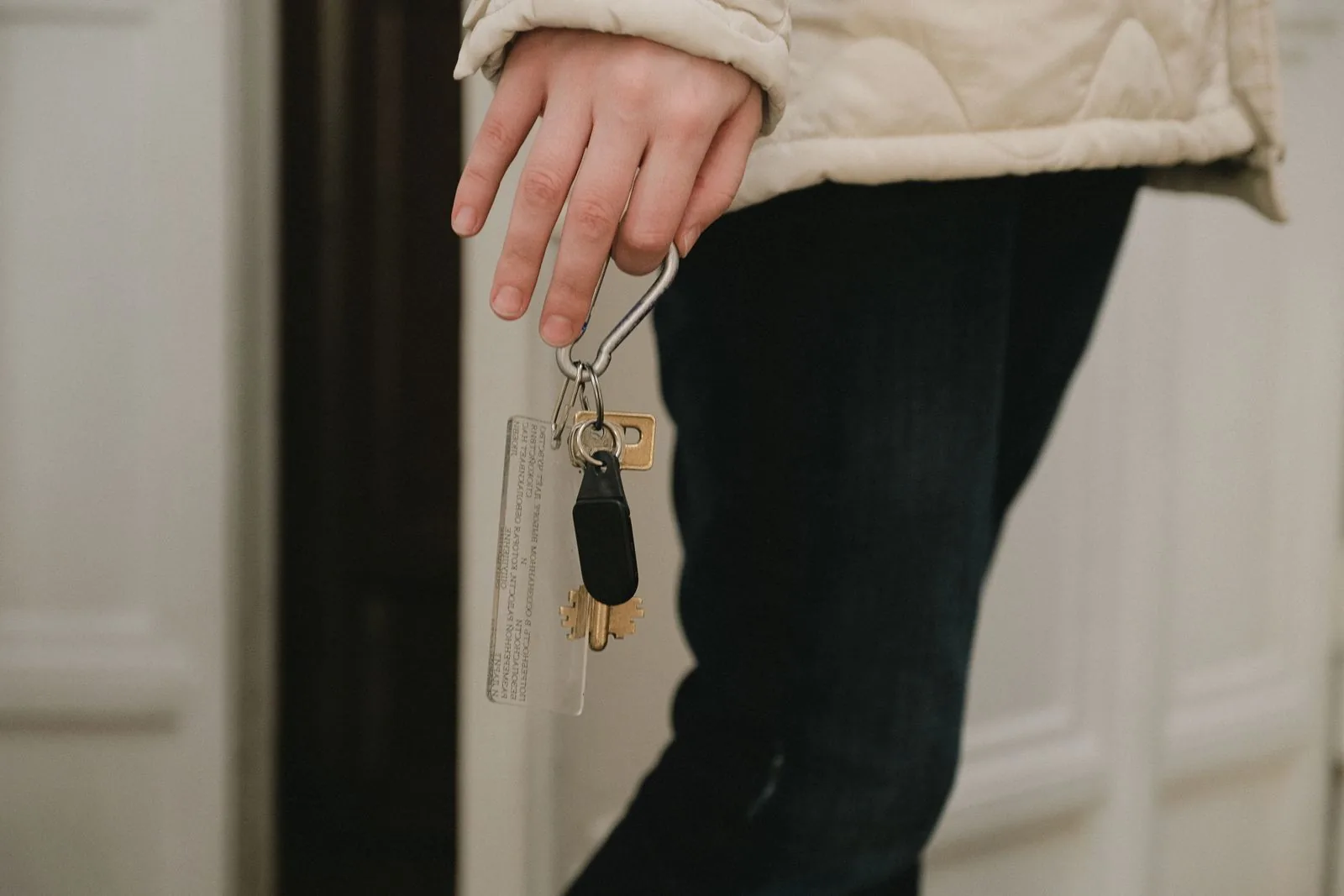
If the person has genuinely moved out, you can usually rekey your apartment locks: get the keys back, check your lease, rekey the cylinders and give your landlord a copy. If they still live there, changing the locks on them is not your call to make in New York City, and the only lawful way to remove them runs through a court.
The line between securing your home and locking someone out
New York City's unlawful eviction law is Administrative Code § 26-521. The tenant rights guide from the NYC Department of Housing Preservation and Development (HPD) says that changing the locks on a resident's apartment without giving the resident a key violates it, unless there is a warrant of eviction, when the resident is any of these:
- A tenant or subtenant with a lease.
- An occupant who has lawfully lived in the apartment for more than thirty days, with or without a lease.
- A subtenant, roommate or relative who has lived in the apartment for at least thirty days.
- A resident of a rent stabilized hotel room who has asked for a lease.
The roommate line is the one that matters here. A roommate does not need to be on the lease to be covered; thirty days in the apartment is enough.
The rule is not only for landlords. The state version, Real Property Actions and Proceedings Law § 768, begins: "It shall be unlawful for any person to evict or attempt to evict an occupant of a dwelling unit who has lawfully occupied the dwelling unit for thirty consecutive days or longer or who has entered into a lease." The only exceptions it names are a warrant of eviction, another court order or a government vacate order. Among the conduct it lists is "changing the lock on such entrance door without supplying the occupant with a key." Anyone who intentionally violates the section, or assists in a violation, is guilty of a class A misdemeanor.
That word, assists, is also why a careful locksmith will ask who else lives in a shared apartment before rekeying it.
Signs they have not actually moved out
Treat the person as still living there, and leave the locks alone, if any of these is true:
- Their clothes, furniture or bedding are still in the apartment.
- They still sleep there some nights, or say they are coming back.
- They have not handed back their keys or confirmed in writing that they have left.
- Their name is on the lease and nobody has dealt with that yet.
In any of those cases the next call is to your landlord or a housing lawyer, not a locksmith. The thirty-day line is not permission to lock out someone who arrived more recently either. And if you are the one locked out, HPD says you can report it at the nearest police station and start an illegal lockout case in Housing Court. Our guide to what to do when someone changes the locks on you covers that side in detail.
Can a tenant rekey or add a lock in New York?
Multiple Dwelling Law § 51-c gives a tenant the right to install a lock in the entrance door of their own unit, "separate and apart from any lock installed and maintained by the owner," no more than three inches in circumference, provided that a duplicate key is supplied to the landlord or the landlord's agent on request. A lease clause charging extra rent or a fee for that right is void. The section excludes public housing supervised by a municipal housing authority, hotels, motels and school or college dormitories. It also applies only to a multiple dwelling, which the same law defines as a home for three or more families living independently, so it does not reach a two-family house.
Notice what that section covers: adding your own separate lock. It says nothing about rekeying or swapping the owner's cylinder. That is a question for your lease, so read the clause on locks and alterations before you book anything. Either way, plan on the landlord getting a key. HPD's guide puts it plainly: "If you, the tenant, change your locks, the law requires that you provide a copy of the key(s) to the landlord."
Two situations need the building before they need a locksmith:
- Master-keyed or restricted cylinders. If your door is part of a building-wide key system or uses a restricted keyway, swapping the cylinder can cut the building out of its own system, and new keys may only come through management or an authorized dealer. Ask management to rekey within the system. Our piece on restricted keyways for NYC tenants explains how those cylinders work.
- Co-ops and condos. Check the house rules and ask the managing agent before scheduling any lock work.
The sequence once they are out
- Get it in writing. A text confirming they have moved out, and on what date, protects both of you.
- Collect every key. Their own set, the spare at a neighbor's, the dog walker's copy. Count against what you think exists.
- Rekey anyway. Returned keys are not proof that no copies exist; a standard key can be duplicated at almost any hardware counter. Rekeying changes the pins inside the cylinder, so every old key, including copies you never saw, stops working.
- Do every keyed cylinder on the door. If the knob and the deadbolt both take a key, both get rekeyed, and they can often be set to one new key.
- Cut only the keys you need. One for each person who lives there, plus one spare you can account for.
- Give the landlord a copy and note the date.
- Close the digital doors. If you have a smart lock, delete their user and change any shared codes. Do the same for door cameras.
Rekeying is usually the cheaper fix because the hardware stays. As a typical NYC market range, a one-bedroom with two cylinders runs roughly $95 to $195, built from a service call, a per-cylinder charge and the keys; our breakdown of what rekeying costs in NYC shows the arithmetic. Replacement makes sense when the lock is worn or damaged, not because a person left.
When you are ready, our lock rekeying service in NYC lets you describe the door and the locks, check availability and review the estimate in the app before confirming.
Locks that are not yours to change
- Building entrance keys and fobs. The street door, the lobby and any fob or code system belong to the building. Tell management the person has moved out, ask whether their fob or code can be deactivated, and ask what the policy is on lobby keys. Do not hire anyone to change a shared door.
- The mailbox. USPS tells residents who have lost a mailbox key to "ask the owner, manager, or superintendent of your apartment or home for a replacement," and its mailing standards say the purchase, installation, maintenance and replacement of mail receptacles are not the Postal Service's responsibility unless USPS owns them. A mailbox lock change goes through the building. Our guide to NYC mailbox lock replacement covers how to ask for one.
- Storage and bike room keys. Same rule: tell the building.
If the ex is a safety concern
If you are in danger, or they are at the door and will not leave, call 911. A new lock is not the tool for an emergency.
For anything short of that, here are the official resources in their own terms. This is general information, not legal advice; a lawyer or advocate can tell you what applies to you.
- Orders of protection. The New York State Office for the Prevention of Domestic Violence explains that Family Court issues them as part of a civil, non-criminal case, Criminal Court generally issues them in a criminal case against the accused person, and Supreme Court can issue them during a divorce. The NYPD describes the Family Court order as a civil proceeding to stop violence "within the family or within an intimate relationship." OPDV lists what an order can require, including no contact and that the person "move out of your home."
- Free help in every borough. The city's Family Justice Centers are in all five boroughs, accept walk-ins and give free, confidential help, including legal help with orders of protection and housing. The city's 24-hour domestic violence hotline is 1-800-621-HOPE (1-800-621-4673).
- Ending a lease early. Real Property Law § 227-c lets a tenant end a residential lease when the tenant or a household member is a victim of domestic violence and reasonably fears remaining in the home because of potential further violence. The written notice must name a termination date at least thirty days after it is delivered, and documentation, such as an order of protection, a police report, a health care record or a written verification from a qualified third party, follows within twenty-five days.
If the person still lives with you, a court order, not a new lock, is the tool that can require them to leave. Once one is in place, ask the court or a Family Justice Center lawyer how to handle keys and the door before you rekey.
FAQ
My roommate moved out and gave the key back. Do I still need to rekey?
It is the safer choice. A returned key tells you nothing about copies, and rekeying is how you make sure the old ones no longer work.
Do I have to give my landlord the new key?
Plan on it. HPD's tenant guide says the law requires a tenant who changes the locks to give the landlord a copy, and Multiple Dwelling Law § 51-c makes a duplicate key for the landlord, on request, a condition of adding your own lock.
My ex's name is on the lease, but they have left. Can I change the locks?
Slow down. The state unlawful eviction law protects an occupant who has entered into a lease, not only one who has lived there thirty days. Get written confirmation that they have moved out and returned their keys, and talk to the landlord before rekeying. If they dispute it, ask a housing lawyer.
Is adding a second lock an alternative to rekeying?
In a multiple dwelling, a building for three or more families, § 51-c lets you add your own lock, with a duplicate key for the landlord on request. It works only while you remember to use it, because the old keys still open the original lock. Rekeying fixes the problem at the cylinder and leaves you with one key.
Where LockAtlas fits
LockAtlas is for the straightforward part, once the person has left and the lease question is settled: describe the door and the locks, check availability and review the estimate in the app before confirming. The technician is verified before they can take the job, and if the technician finds something different, the revised price comes back to you for approval before that work starts. You can get the LockAtlas app whenever you are ready.
Need a Locksmith in NYC?
Use the LockAtlas app to describe the work, review the price breakdown and check your booking details.
Download the App